How Physiotherapy Helps Women Through Hormonal Shifts and Transitions explores targeted strategies for recovery. Discover new paths to mobility, healing, and personalized care.

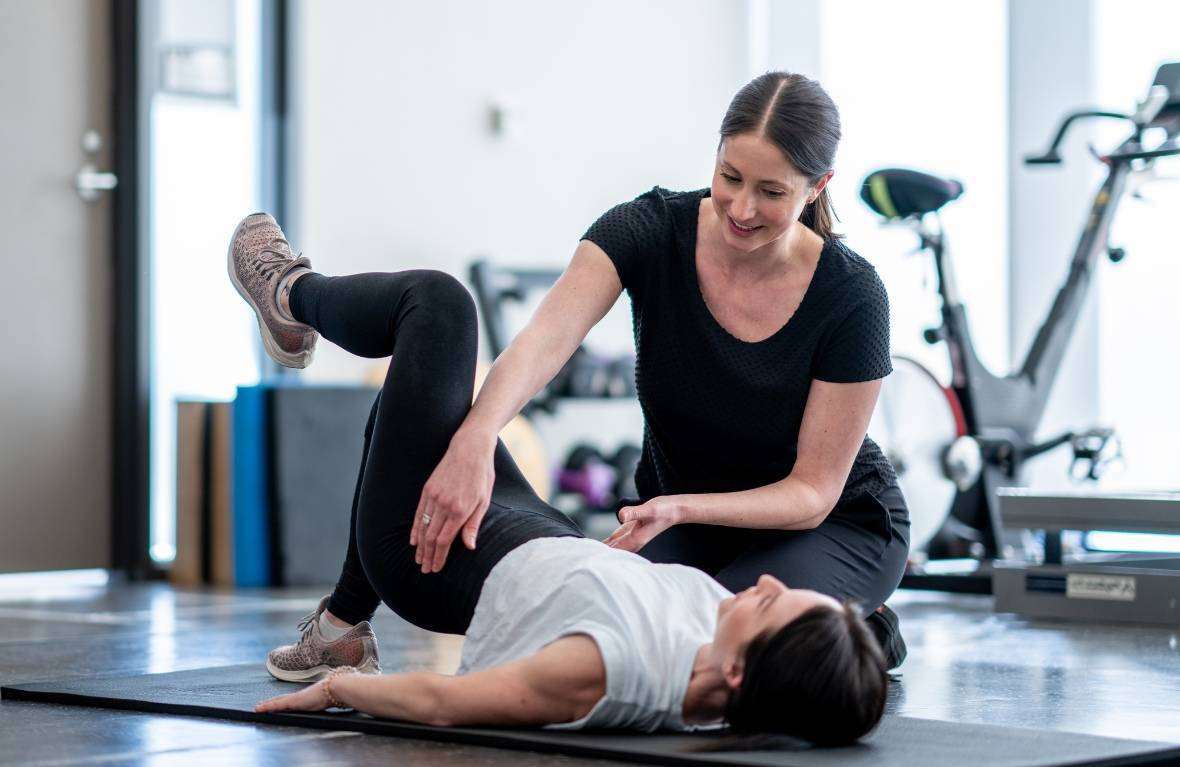
Hormonal shifts and transitionswhether puberty, pregnancy, postpartum, perimenopause, or menopausebring profound changes to a womans body and mind. These phases often come with challenges like pain, fatigue, mood swings, and changes in physical performance. Fortunately, physiotherapy is a powerful ally in managing these hormonal transitions by addressing the musculoskeletal, neurological, and functional changes that accompany shifting hormones.
At Your Forms UX (YFS), we specialize in hormone-informed physiotherapy that supports women through every phase of life, helping them maintain strength, mobility, and confidence.
The Impact of Hormonal Transitions on Womens Bodies
Each hormonal transition creates unique physiological changes:
Puberty: Hormones trigger growth spurts, joint laxity, and neuromuscular adaptations.
Pregnancy: Relaxin and other hormones loosen ligaments, affecting pelvic stability and posture.
Postpartum: Rapid hormonal shifts influence pelvic floor integrity, core strength, and overall mobility.
Perimenopause: Fluctuating estrogen levels cause joint stiffness, muscle loss, and changes in energy.
Menopause: Decreased estrogen leads to bone density reduction, muscle weakness, and increased injury risk.
These hormonal fluctuations affect pain sensitivity, muscle coordination, and injury susceptibility, making customized physiotherapy essential for optimal function.
How Physiotherapy Supports Women Through Hormonal Transitions
YFSs hormone-informed physiotherapy addresses the complex changes during these life phases with:
1. Assessment of Musculoskeletal Changes
Hormonal shifts can alter posture, movement patterns, and muscle balance. Our physiotherapists perform detailed assessments to identify:
Pelvic alignment and stability issues
Core muscle function and endurance
Joint mobility and range of motion
Neuromuscular control and proprioception
Understanding these changes allows for targeted interventions to prevent injury and improve function.
2. Pelvic Floor and Core Rehabilitation
The pelvic floor is often a major focus during hormonal transitions, especially pregnancy and menopause. YFS provides:
Tailored pelvic floor strengthening and relaxation techniques
Core stabilization exercises aligned with hormonal status
Breathwork to coordinate diaphragm and pelvic floor function
These therapies help manage incontinence, pelvic pain, and diastasis recti while enhancing overall stability.
3. Pain and Symptom Management
Many women experience hormonal pain such as:
Lower back pain during pregnancy
Menstrual cramps and pelvic discomfort
Joint pain in perimenopause and menopause
Our physiotherapists use manual therapy, soft tissue mobilization, and neuromuscular retraining to reduce pain and improve tissue health.
Exercise and Movement During Hormonal Shifts
Exercise remains vital throughout hormonal transitions but must be adapted. YFS physiotherapists guide women through:
Safe, effective prenatal and postpartum exercise
Strength training focused on joint support during menopause
Neuromuscular re-education to counteract hormonal laxity
Mobility and flexibility routines for improved function and pain reduction
This personalized approach supports both hormonal balance and physical well-being.
Emotional and Psychological Support Through Physiotherapy
Hormonal shifts often impact mental health, with increased anxiety, mood swings, or depression. Physiotherapys focus on movement, breathing, and body awareness can:
Improve stress resilience
Enhance sleep quality
Promote relaxation through parasympathetic nervous system activation
At YFS, holistic care means addressing both the physical and emotional challenges of hormonal transitions.
Long-Term Benefits of Hormone-Informed Physiotherapy
Women who engage in hormone-aware physiotherapy experience:
Greater physical independence and confidence
Reduced pain and improved function
Prevention of injury and chronic conditions
Enhanced quality of life through better hormonal balance and movement
Why Trust YFS for Hormonal Transition Care?
YFS combines clinical expertise with compassionate care tailored to each womans unique hormonal journey. We provide:
Individualized physiotherapy plans based on hormonal and physical assessments
Education on how hormonal shifts affect movement and health
Ongoing support through all life stages
Take Charge of Your Hormonal Health Today
Navigating hormonal shifts doesnt have to be overwhelming. With the right physiotherapy support, you can maintain strength, reduce symptoms, and enjoy life at every stage.
Contact Your Forms UX (YFS) in Canada today to learn how we can support you through your hormonal transitions with specialized physiotherapy care.