Supporting Menstrual Health with Physiotherapy explores targeted strategies for recovery. Discover new paths to mobility, healing, and personalized care.

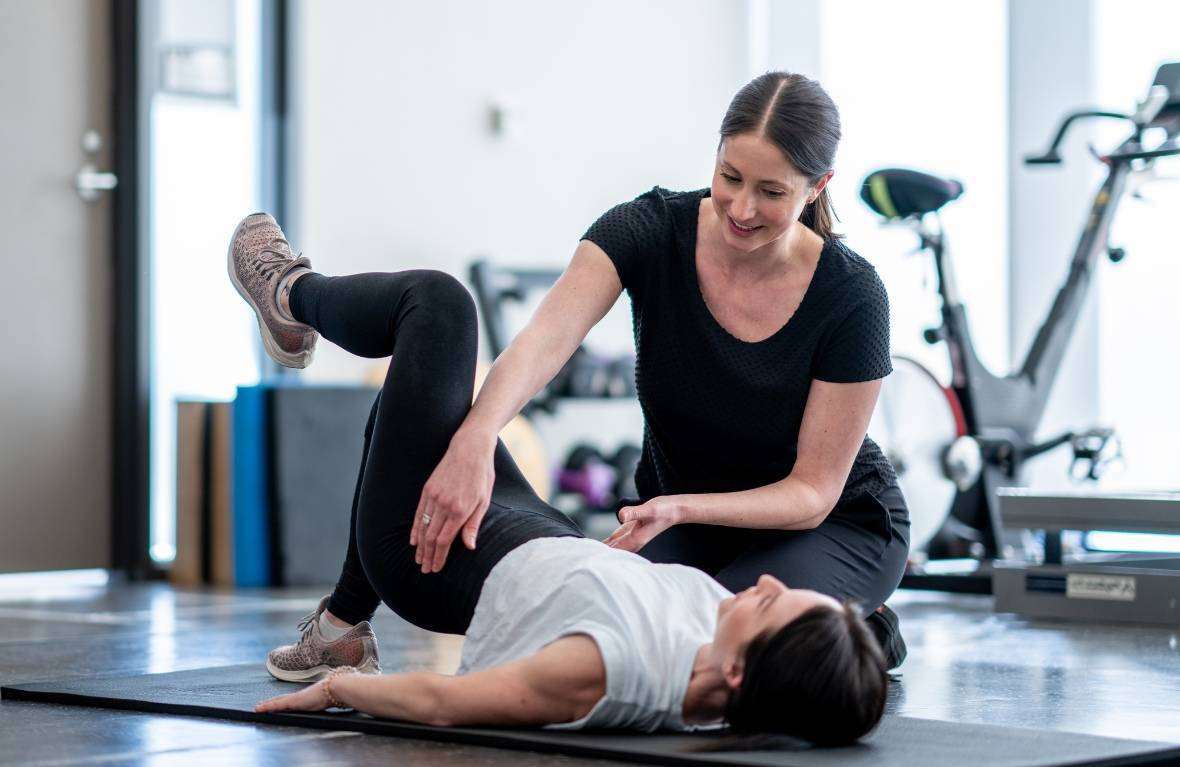
Menstrual health isnt just about monthly cyclesits about feeling balanced, empowered, and in control of your body throughout the entire month. Many women experience discomfort, pain, fatigue, and emotional shifts during their periods, often thinking its something they just have to live with. But physiotherapy offers a proactive and natural way to support your menstrual cycle, reduce symptoms, and improve quality of life.
Lets explore how physiotherapy can play a vital role in improving menstrual health and why its becoming a go-to approach for holistic hormone balance.
Why Menstrual Health Matters
Your menstrual cycle is a vital sign of overall health. Irregular periods, severe cramps, hormonal acne, low energy, bloating, and mood swings are not just inconveniencesthey can be signs of deeper imbalances in the endocrine, nervous, and musculoskeletal systems.
Hormonal balance physiotherapy is designed to address these symptoms through movement, posture, core training, and relaxation methods that work with your body, not against it.
Common Menstrual Health Challenges Physiotherapy Can Help With
Painful Periods (Dysmenorrhea)
Cramps and abdominal tension during menstruation are often tied to poor pelvic alignment and muscle tension. Physiotherapists can use manual therapy and stretching to ease pelvic and low-back discomfort.
Low Back and Hip Pain
Hormonal changes cause ligaments and joints to loosen, leading to instability in the pelvis. This can trigger low back pain or hip discomfort that recurs with each cycle.
Fatigue and Low Energy
Hormonal fluctuations can reduce oxygen delivery and impact breathing efficiency. Breath-focused physiotherapy boosts oxygenation and mental clarity.
Mood Swings and Anxiety
Mindbody physiotherapy techniques like diaphragmatic breathing and body awareness can help regulate cortisol levels, improving mood stability.
Pelvic Floor Dysfunction
During menstruation, the uterus and pelvic floor are under greater strain. If theres tightness, weakness, or imbalance in this area, it can worsen cramps and bladder urgency.
Irregular Cycles or PCOS-Linked Discomfort
Women with PCOS or hormonal irregularities often experience stiffness, poor circulation, and muscle tightness. Targeted physiotherapy techniques can improve blood flow and reduce bloating and heaviness.
How Physiotherapy Supports Your Menstrual Cycle
Physiotherapy enhances menstrual health by treating the whole bodymuscles, joints, nerves, and even the mind. Below are some ways physiotherapists personalize menstrual wellness programs:
1. Pelvic Physiotherapy for Cycle Comfort
Specialized pelvic health physiotherapy focuses on soft tissue work, gentle release techniques, and core control. These treatments relieve pressure on the uterus and support proper alignment of the pelvic bones, reducing cramps and abdominal pain.
2. Cycle-Based Exercise Planning
Did you know you can tailor your workouts to your cycle?
Follicular phase: Energy is rising, and your body is primed for strength work. Physiotherapists recommend moderate resistance training and functional core moves.
Ovulation: Focus on mobility and alignment to support joint stability.
Luteal phase: Your body benefits from restorative exercises like deep stretching and low-intensity stability work.
Menstrual phase: Gentle breathing, mobility, and fascia release help reduce cramps and improve flow.
This menstrual phase-based physiotherapy helps optimize your energy while reducing pain and inflammation.
3. Myofascial Release and Manual Therapy
Many women hold tension in the abdomen, hips, and low back without realizing it. Physiotherapists use:
Abdominal massage to reduce bloating and gas
Sacroiliac joint mobilizations to relieve low back strain
Hip flexor release to ease tightness during menstruation
These gentle techniques boost circulation and lymphatic drainage, key for natural menstrual pain relief.
4. Breathing Techniques to Regulate Hormones
Breathing may seem simple, but its one of the most powerful ways to support hormonal balance. Slow, controlled breathing activates the parasympathetic nervous system, lowering cortisol and promoting progesterone stability.
Try this simple physiotherapist-approved technique:
Inhale through the nose for 4 seconds
Hold for 4 seconds
Exhale through the mouth for 6 seconds
Repeat for 5 minutes daily, especially before bed or when cramping
5. Postural Awareness and Movement Therapy
Posture affects how your organs, including the uterus and ovaries, are supported. A tilted pelvis or slouched spine can increase pressure on the abdominal cavity.
Physiotherapists assess your alignment and prescribe gentle exercises to correct muscle imbalancesespecially in the glutes, core, and thoracic spine.
The Role of Education and Self-Care
One of the most overlooked aspects of menstrual health is education. Physiotherapists guide you through:
Understanding your cycle phases and symptom patterns
Practicing self-myofascial release at home
Learning how to move in sync with your body
Avoiding common mistakes like overtraining during menstruation
This empowers you to manage your menstrual symptoms between sessions and stay in tune with your hormonal health.
What to Expect from Menstrual Health Physiotherapy at YFS
When you work with a physiotherapist at YourFormSUX in Canada, heres what your menstrual health journey may look like:
Initial Assessment
Full evaluation of posture, breathing, pelvic mobility, and your cycle history.
Personalized Treatment Plan
Including pelvic floor release, breathing therapy, gentle core training, and daily routines.
Education on Hormone-Friendly Movement
You’ll learn what to doand what to avoidduring each phase of your cycle.
Progress Tracking
Regular check-ins to ensure your pain is decreasing, energy is improving, and cycles are stabilizing.
Real Client Outcomes
Chloe, 26: I used to dread my period every month. After six weeks of pelvic-focused physiotherapy, I barely notice my cramps and my energy levels are more stable.
Jasmin, 39: The breathing and core work changed everything. I feel less bloated, my back doesnt ache like it used to, and I feel more in control of my cycle.
Final Thoughts: Empower Your Cycle with Physiotherapy
Menstrual health is a powerful part of your identity, and it deserves proper attention. Physiotherapy isnt just for injuryits a powerful wellness tool to support your hormonal cycle, relieve menstrual discomfort, and bring balance to your everyday life. Whether youre managing monthly cramps, regulating irregular periods, or simply wanting to feel more in sync with your body, physiotherapy offers real, lasting relief.