How Physiotherapy Helps Women Manage Hormonal Transitions with Ease explores targeted strategies for recovery. Discover new paths to mobility, healing, and personalized care.

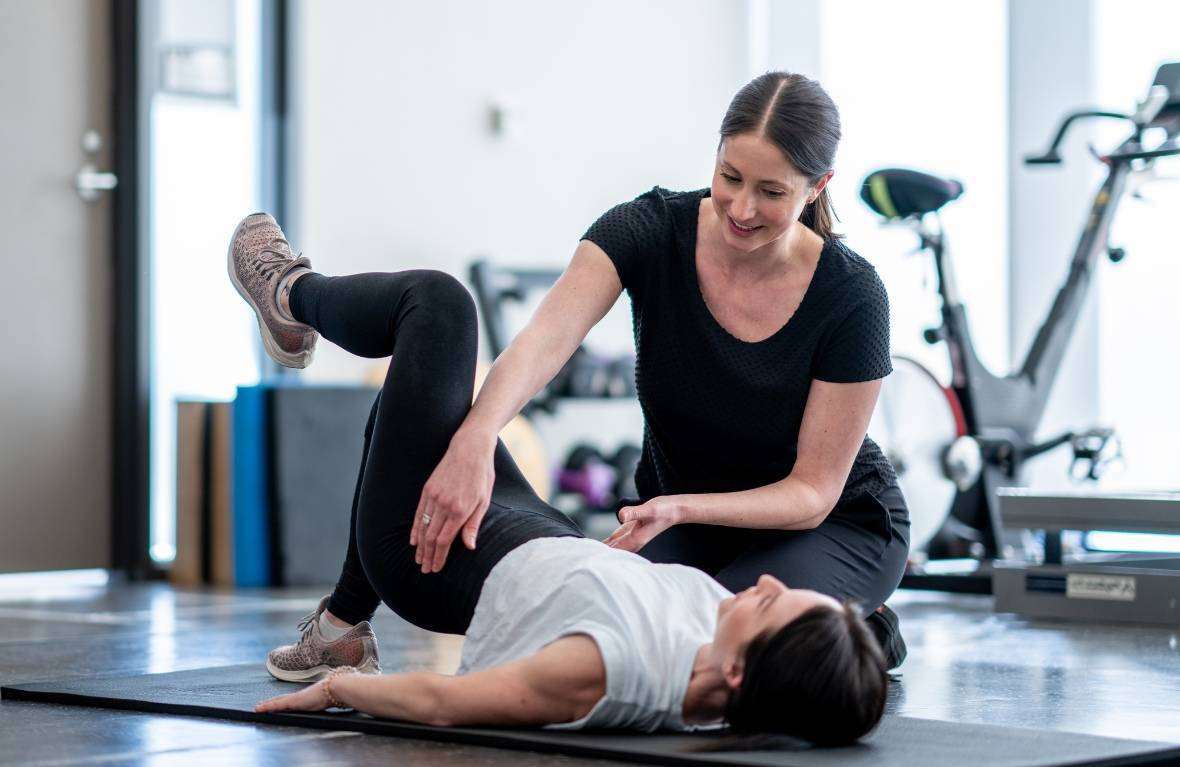
Hormonal transitions are a natural part of every womans life, yet they can be disruptive, uncomfortable, and often overwhelming. From adolescence to menopause and everything in between, hormonal changes can impact physical, emotional, and mental well-being. Thats where physiotherapy comes innot just as a reactive measure, but as a proactive, science-based approach to supporting women through these transitions with confidence and comfort.
At YourFormsUX, we understand that physiotherapy is more than injury recoveryits about total wellness. And when it comes to managing hormonal health, physiotherapy can be a game-changer.
What Are Hormonal Transitions?
Hormonal transitions refer to the major life stages where a womans hormone levels change significantly. These include:
Puberty the onset of menstruation and estrogen fluctuation
Menstrual cycles monthly shifts in estrogen, progesterone, and sometimes cortisol
Pregnancy and postpartum dramatic hormonal surges and drops
Perimenopause and menopause steady decline in estrogen and progesterone
Postmenopausal life hormonal stabilization with long-term effects on bones, muscles, and metabolism
Each of these stages brings its own set of physical and emotional symptoms. Physiotherapy helps women prepare for, move through, and recover from these hormonal changes.
How Does Physiotherapy Support Hormonal Shifts?
Lets explore how physiotherapy directly addresses the discomfort, dysfunction, and disruption that can come with hormonal changes:
1. Improving Pelvic Floor Function
Hormonal fluctuations often affect the pelvic floor, especially during pregnancy, postpartum, and menopause. Weak or tight pelvic muscles can lead to:
Bladder leakage or urgency
Pelvic pain or pressure
Painful intercourse
Lower back discomfort
A womens health physiotherapist uses internal and external techniques to retrain these muscles, improving support and reducing pain.
2. Regulating the Stress Response
Hormonal imbalances often increase cortisol, the stress hormone. High cortisol disrupts other hormone levels like estrogen and progesterone, intensifying symptoms like fatigue, anxiety, and poor sleep.
Physiotherapy helps regulate the nervous system using:
Deep diaphragmatic breathing techniques
Gentle mobilizations and manual therapy
Restorative movement like yoga-inspired physio
Progressive relaxation routines
This stress regulation supports the bodys natural hormonal rhythms.
3. Restoring Musculoskeletal Balance
Hormones influence ligaments, tendons, and muscle tone. For instance:
During pregnancy, relaxin softens joints, often causing instability.
In menopause, low estrogen affects bone density and muscle mass.
A physiotherapist creates a personalized strength and stability program to counteract these changes. Targeted exercises focus on:
Core strength
Postural alignment
Hip and pelvic stabilization
Resistance training to maintain bone density
4. Optimizing Circulation and Lymphatic Flow
Bloating, water retention, and sluggish metabolism often accompany hormonal shifts. Physiotherapy enhances circulation and lymphatic drainage through:
Dynamic stretching
Myofascial release
Aerobic and resistance-based movement therapies
These techniques reduce inflammation, ease swelling, and help flush out toxins.
Hormonal Transition by Transition: A Closer Look
Menstrual Cycle Management
Relieves cramps and PMS with pelvic and abdominal muscle relaxation
Helps regulate energy through cycle-specific exercise routines
Improves emotional well-being with breathwork and relaxation techniques
Pregnancy and Postpartum Physiotherapy
Prevents diastasis recti and back pain
Prepares pelvic floor for labor
Aids in quicker postpartum recovery
Reduces postpartum fatigue and stress
Perimenopause and Menopause
Counters weight gain with resistance-based fitness plans
Improves mood through endorphin-releasing movement
Rebuilds muscle and bone density
Manages urinary incontinence and pelvic organ prolapse
Long and Short-Tail SEO Keywords Integrated
How physiotherapy helps women through hormonal changes
Menopause physiotherapy support Canada
Postpartum hormone balance exercises
Physiotherapy for PMS and menstrual pain
Hormonal fatigue solutions physiotherapist
Perimenopause physical therapy program
Stress relief for hormonal imbalance
Womens health physiotherapy Canada
These keywords help boost visibility in online searches while keeping the content reader-friendly and educational.
Success Stories That Speak Volumes
At YourFormsUX, women across Canada report improvements in both physical symptoms and emotional resilience after physiotherapy sessions. From managing postpartum exhaustion to alleviating menopausal pelvic issues, our clients benefit from our whole-body approach. Whether theyre preparing for childbirth, navigating monthly cycles, or facing hormonal shifts later in life, our physiotherapists are here to support every step.
Why Physiotherapy Is the Natural Choice for Hormonal Support
Unlike medications that mask symptoms, physiotherapy works with the body to restore balance. Its safe, non-invasive, and highly customizable. Plus, the benefits go far beyond hormone regulation:
Enhanced mood and mental clarity
Better sleep and energy levels
Strengthened immune system
Restored confidence in movement
Book Your Hormonal Health Session at YourFormsUX
We offer expert care with a personalized touch. Our physiotherapists are trained to understand womens hormonal needs and build plans that respect your body’s rhythm.
Whether you’re in your 20s navigating cycle pain or in your 50s seeking menopause relief, our team is ready to help. We work with you to create a program that feels natural, empowering, and totally effective.
Final Thoughts
Hormonal transitions dont have to derail your life. With the right physiotherapy approach, you can glide through changes with strength, grace, and control. At YourFormsUX, we believe in a future where women feel empowered by their bodiesnot limited by them.
If you’re looking for natural ways to manage hormones and feel like yourself again, physiotherapy might just be your best-kept secret.