How Physiotherapy Improves Hormonal Health During Menstruation explores targeted strategies for recovery. Discover new paths to mobility, healing, and personalized care.

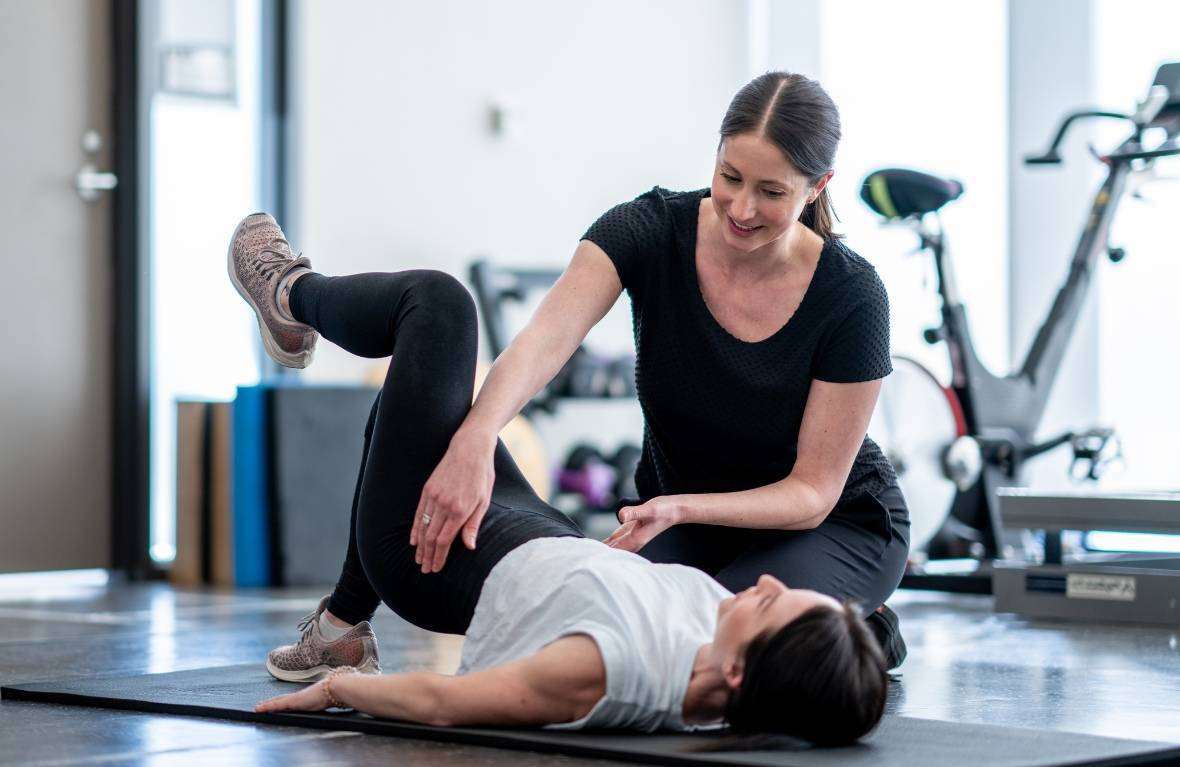
Menstruation can feel like a full-body eventbecause it is. Hormones dont just influence your cycle; they affect your energy, mood, digestion, sleep, pain levels, and even how your muscles and joints feel. Thats why more women are now turning to physiotherapy during menstruationnot only for pain relief, but to support overall hormonal balance.
At Your Form Sux (YFS), we understand that periods are more than just a monthly inconvenience. Theyre a window into your bodys hormonal rhythm. And physiotherapy is one of the best ways to support that rhythmnaturally, gently, and effectively.
Understanding the Hormonal Landscape of Menstruation
During your menstrual phase, estrogen and progesterone levels are at their lowest. This hormonal dip is what triggers your period. But low hormone levels can also lead to:
Increased fatigue
Cramps and pelvic discomfort
Mood swings or irritability
Low back and abdominal pain
Joint sensitivity or instability
Digestive disruptions
Headaches or poor sleep
These symptoms arent “in your head”theyre real, hormonal, and treatable. And physiotherapy helps address the root of these issues by working with the bodys musculoskeletal and nervous systems.
The Role of Physiotherapy in Menstrual Health
Physiotherapy isnt just for injuries or athletesits a powerful ally in managing the natural ebbs and flows of the menstrual cycle. Here’s how physiotherapy makes a real impact during menstruation:
1. Reducing Cramps and Pelvic Pain
Physiotherapists use manual therapy and targeted exercises to release tension in the pelvic floor, abdominal muscles, and hip flexors. By improving blood flow and reducing muscular restriction, menstrual cramps can be significantly reduced.
Breathwork, pelvic tilts, and gentle mobility drills can also soothe the nerves around the uterus, leading to real pain relief without relying solely on medication.
2. Enhancing Hormone Circulation
Physiotherapy improves lymphatic and blood circulation, which helps with hormone delivery and detoxification. When your circulation is optimized, estrogen is processed more efficiently, reducing bloating, mood swings, and fluid retention.
Movement also boosts endorphinsyour natural mood stabilizerswhich are essential when estrogen is low.
3. Supporting Mood and Energy
Hormonal shifts during menstruation can lead to fatigue and mood dips. Light physiotherapy exercises stimulate dopamine and serotonin production, which helps counteract period-related irritability and mental fog.
Even a 10-minute physiotherapy-based movement sequence can help improve your mindset and restore motivation.
4. Addressing Back Pain and Joint Sensitivity
Many women experience low back pain or joint instability during menstruation due to the drop in progesterone. Physiotherapists use gentle core activation, spine alignment, and postural work to improve joint stability and relieve muscular tension.
By focusing on how the whole body works togethernot just the uterusphysiotherapy relieves discomfort in a sustainable way.
Gentle Physiotherapy Exercises to Support Your Period
Here are a few low-impact, hormone-friendly exercises you might find in a physiotherapy program during your menstrual phase. These movements are safe, calming, and designed to support hormone regulation.
1. Childs Pose with Diaphragmatic Breathing
This restorative pose relaxes the lower back, hips, and pelvic floor. Deep breathing in this position helps stimulate the vagus nerve, which lowers stress hormones like cortisol and soothes the nervous system.
2. Pelvic Tilts
Lying on your back with knees bent, gently rock your pelvis forward and back. This mobilizes the spine, relieves cramping, and boosts blood flow to the uterus.
3. Supine Spinal Twists
Lying down, drop your knees gently to one side to release tension in the back and abdominal fascia. This encourages detoxification and relaxation during menstruation.
4. Seated Cat-Cow
From a chair, alternate between arching and rounding the spine. This movement improves posture, spinal fluid motion, and mood-enhancing hormone flow.
5. Gentle Glute Bridges
Strengthening the glutes supports pelvic stability, which can relieve pressure in the lower abdomen and support menstrual comfort.
These arent high-intensity exercisestheyre therapeutic movements that respect the bodys hormonal state.
Physiotherapy and Menstrual Disorders
For women struggling with painful or irregular cycles, physiotherapy can be a valuable addition to medical care. Some common conditions supported through physiotherapy include:
Dysmenorrhea (Painful Periods)
Manual therapy, myofascial release, and pelvic floor relaxation techniques can significantly reduce the intensity and duration of period pain.
Endometriosis
Physiotherapy helps manage chronic pain by addressing myofascial tension, scar tissue, and postural imbalances that worsen symptoms.
PMS and PMDD
Movement-based therapy, breathwork, and neuromuscular relaxation improve hormonal resilience and reduce anxiety and mood fluctuations.
Irregular Periods
Improving circulation, muscle balance, and stress regulation through physiotherapy may help support regular ovulation and healthy cycle length.
Why a Personalized Approach Matters
No two periodsor hormonal patternsare the same. Thats why working with a physiotherapist who understands female physiology is so important. At YFS Canada, we tailor physiotherapy plans to each womans unique needs, symptoms, and lifestyle.
Whether you have heavy bleeding, chronic cramps, PCOS, or simply want to feel better during your cycle, we create a plan that supports younot just the textbook.
The Long-Term Benefits
Incorporating physiotherapy into your monthly rhythm can do more than just improve period symptoms. Long-term, youll see:
Better body awareness
Improved pelvic health
Enhanced hormonal balance
Less reliance on painkillers
More confidence in managing your health naturally
Its all about reconnecting with your body and giving it the tools to heal, regulate, and thriveevery month.
Final Thoughts
Your menstrual cycle is a vital sign. Its your bodys monthly update, and physiotherapy helps ensure its a healthy, balanced one. Whether you experience mild discomfort or more serious hormonal challenges, physiotherapy offers a personalized, natural way to manage your symptoms and support your hormones.
Looking to move through your period with less pain and more power? Book a consultation with YFS and lets create a physiotherapy plan that works with your cyclenot against it.