Managing Hormonal Stress and Symptoms with Physiotherapy and Exercise explores targeted strategies for recovery. Discover new paths to mobility, healing, and personalized care.

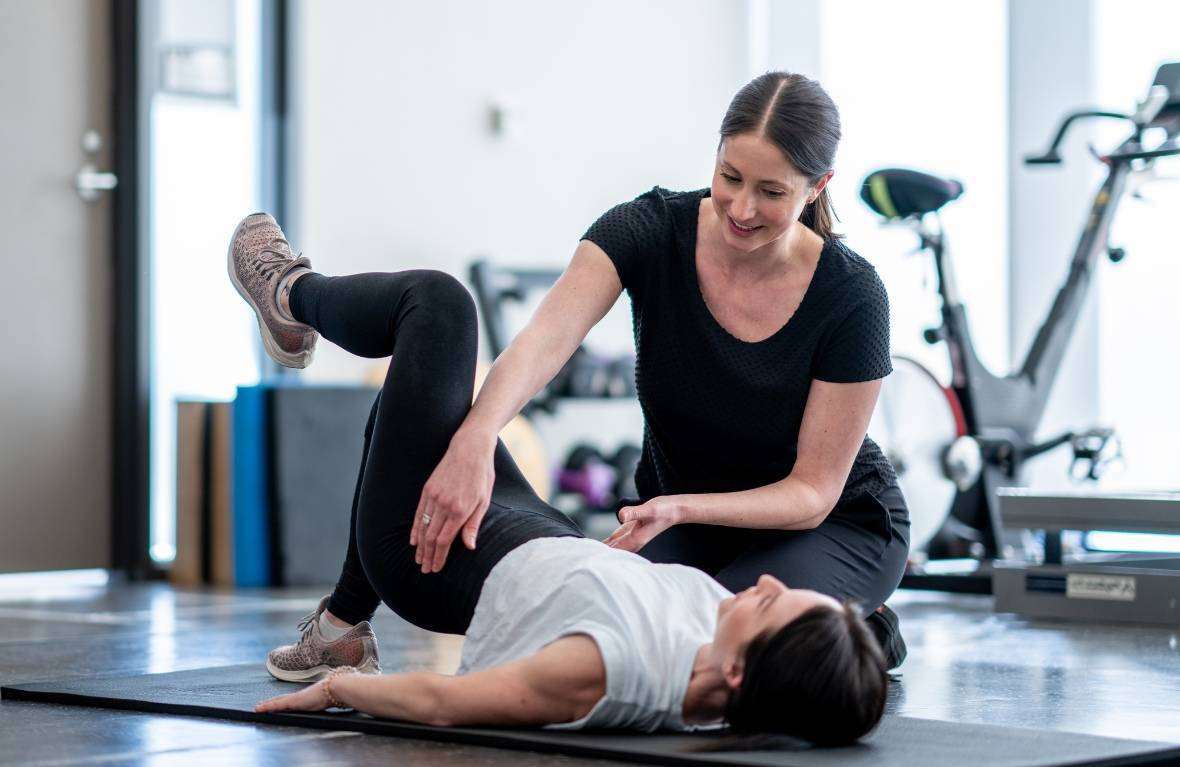
Hormonal stress isnt just a buzzwordits a very real experience for many women. From unpredictable mood swings to energy crashes and stubborn weight gain, the effects of hormonal imbalance can be exhausting and confusing. But heres some good news: you can support and manage your hormonal health naturally, and one of the most effective tools at your disposal is physiotherapy combined with intentional exercise.
At YourFormsUX, we understand that women in Canada are increasingly looking for non-invasive, proactive strategies for managing hormone-related stress. Thats where physiotherapy enters the picturenot just to treat pain, but to address the root causes of hormonal symptoms through movement, posture correction, muscle therapy, and guided recovery.
In this post, were diving into how physiotherapy and exercise can reduce hormonal stress and help you feel more like yourself again.
What Is Hormonal Stress?
Hormonal stress refers to the strain and symptoms your body experiences when key hormoneslike cortisol, estrogen, progesterone, and insulinare out of balance. This can happen due to:
Chronic stress and high cortisol levels
Poor sleep or circadian rhythm disruption
Poor nutrition or erratic eating patterns
Inactivity or overexertion
Life transitions such as puberty, pregnancy, postpartum, or menopause
When hormones are off, your nervous system, metabolism, immune function, and mood all take a hit. You may experience symptoms like:
Irritability and anxiety
Cravings and weight gain
Sleep disturbances
Irregular or painful periods
Chronic fatigue
Muscle stiffness and body aches
Why Physiotherapy Is So Effective for Hormonal Stress
Unlike medication, which often targets one hormone or symptom, physiotherapy supports your whole-body systems. It works by creating physical and neurological balance, which in turn encourages hormonal stability.
Heres how physiotherapy helps:
Reduces Cortisol Levels Naturally
High cortisol (your bodys main stress hormone) disrupts the balance of estrogen and progesterone. Physiotherapy uses calming exercises like diaphragmatic breathing, gentle stretches, and therapeutic massage to shift your body into a parasympathetic rest and digest state.
Improves Blood Flow and Lymphatic Drainage
Hormonal waste and inflammation build up in the body when circulation is poor. Manual therapy and specific movement sequences improve blood flow, reduce water retention, and ease inflammationall of which reduce hormonal stress.
Restores Musculoskeletal Function
Hormonal fluctuations can affect joint mobility, posture, and muscle function. For example, during your luteal phase or menopause, you may feel stiff or unsteady. A physiotherapist helps realign and strengthen your musculoskeletal system, so movement becomes easier and less taxing.
Supports Pelvic Health
Many hormonal symptoms, especially around menstruation, pregnancy, or menopause, show up in the pelvic regionpain, pressure, or instability. Physiotherapy strengthens pelvic floor muscles, relieves tension, and restores comfort in this sensitive area.
The Role of Exercise in Hormonal Balance
Exercise is a powerful hormonal regulatorbut only if done right. The type, intensity, and timing of your workouts matter deeply when it comes to managing hormonal stress.
Heres how to use exercise effectively:
Low-Impact, High-Quality Movement
Think Pilates, walking, cycling, swimming, and yoga. These reduce cortisol, increase insulin sensitivity, and support estrogen-progesterone balance.
Strength Training (with Recovery Time)
Building lean muscle helps regulate blood sugar and stress hormones. Work with your physiotherapist to develop a strength plan that fits your cycle and doesnt lead to overtraining.
Cycle-Synced Routines
Your bodys needs change throughout your menstrual cycle. In the follicular and ovulatory phases, energy is higher and you can push a bit more. During the luteal and menstrual phases, focus on recovery and mobility.
Consistency Over Intensity
Long-term hormone balance is built on consistency. You dont need to go hardjust move daily, with intention and alignment.
Physiotherapy Exercises That Help with Hormonal Symptoms
Here are just a few movement strategies your physiotherapist might introduce:
Pelvic tilts and bridges to support core stability and ease lower back pain
Foam rolling and myofascial release for stress reduction and inflammation
Breathing drills and rib mobility exercises to calm the nervous system
Gentle resistance band workouts to promote muscle tone without stress
Posture correction drills to reduce muscle tension and enhance energy
When these techniques are tailored to your body, your symptoms often begin to reduce in just a few weeks.
Real-Life Example: How One Client Beat Hormonal Burnout
Meet Danielle, a 40-year-old HR manager from Ontario. After months of poor sleep, erratic energy, and painful periods, she turned to physiotherapy after feeling burnt out.
Heres what she did:
Started weekly physiotherapy sessions focused on stress relief and mobility
Integrated 20-minute daily walks and breathing exercises
Learned proper posture habits for her desk job
Synced light resistance training with her menstrual cycle
Saw a reduction in PMS symptoms and improved sleep within two months
Danielle didnt just recovershe reclaimed her energy and hormonal confidence.
Why Canadian Women Are Choosing Holistic Physiotherapy
Theres growing awareness across Canada about the importance of proactive, personalized care for womens hormonal health. Rather than relying on prescriptions alone, more women are embracing physiotherapy as part of their hormone wellness toolkit.
Heres why:
Its drug-free and side-effect-free
It offers long-term, sustainable relief
Its personalized to your cycle and symptoms
It supports physical, mental, and emotional health simultaneously
Whether you’re navigating menopause, recovering from childbirth, or simply want to feel more stable and energized throughout the month, the right combination of physiotherapy and exercise can transform your well-being.
Final Thoughts: Restore, Rebalance, Reclaim
Hormonal stress doesnt have to control your life. By learning how to support your body through targeted physiotherapy and mindful movement, you empower yourself to reduce symptoms naturally and build real, lasting resilience.
At YourFormsUX, we believe in treating the whole womanhormones, mind, body, and all. If youre in Canada and looking for a fresh, compassionate approach to hormonal health, reach out to a qualified womens health physiotherapist who understands your bodys unique rhythms. Relief isnt just possibleits within reach.