How to Integrate Physiotherapy into Your Cycle-Syncing Plan for Health explores targeted strategies for recovery. Discover new paths to mobility, healing, and personalized care.

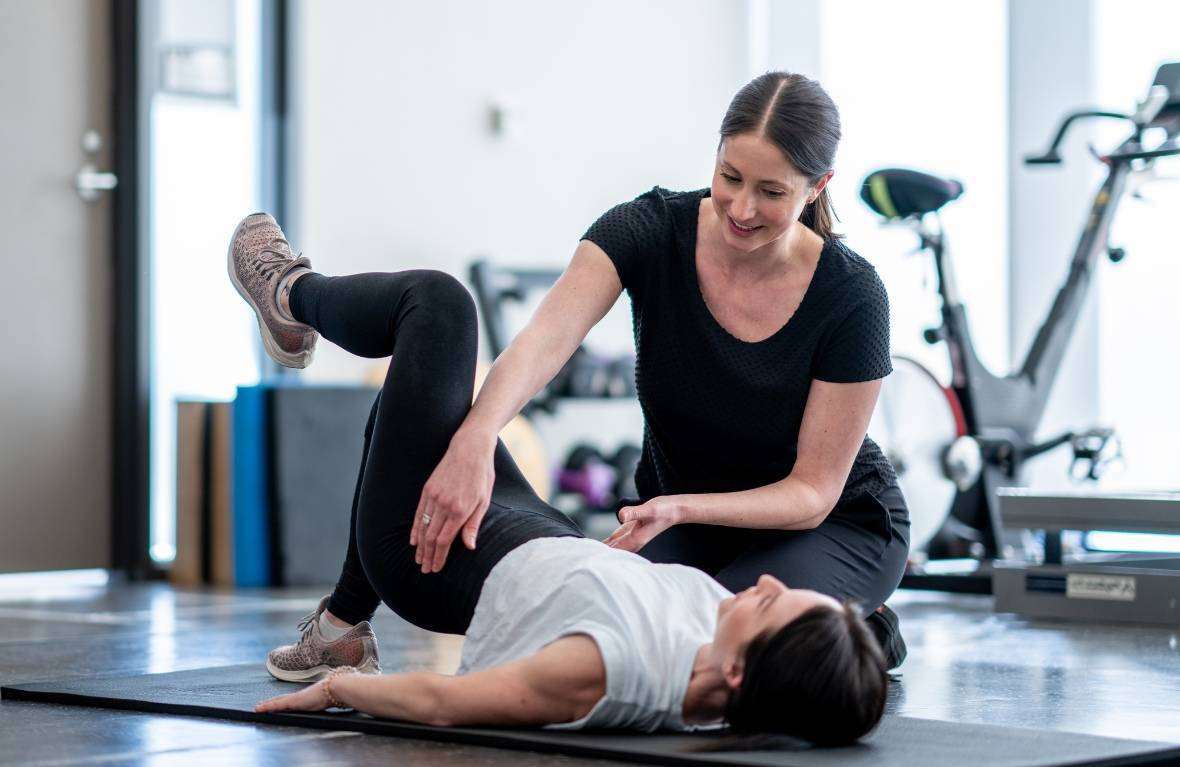
If youve been tracking your menstrual cycle and adjusting your diet, exercise, or self-care to sync with your natural hormonal phases, youre already on the right path. Cycle-syncing is a powerful, body-honouring approach to wellness. But heres something many women overlook: physiotherapy can be seamlessly integrated into your cycle-syncing strategy to enhance hormonal health, reduce symptoms, and build resilience at every phase.
In Canada, more women are embracing this personalized wellness approach to manage menstrual pain, PMS, perimenopause, fertility challenges, and general hormonal imbalance. By combining womens health physiotherapy with the cycle-syncing method, youll unlock a deeper level of support tailored to your bodys natural rhythm.
Lets explore exactly how to do it.
Understanding Cycle-Syncing: A Quick Refresher
Cycle-syncing involves aligning your lifestyle with the four phases of the menstrual cycle:
Menstrual Phase (Days 15) Hormones are at their lowest. This is a time for rest and introspection.
Follicular Phase (Days 614) Estrogen rises, bringing energy, focus, and optimism.
Ovulatory Phase (Days 1517) Estrogen peaks and progesterone begins to rise. This is your peak performance window.
Luteal Phase (Days 1828) Progesterone is high, and PMS symptoms may emerge. You may feel more tired, moody, or inflamed.
Each of these phases requires a slightly different physical approach. And thats where physiotherapy really shinesoffering phase-specific treatments that support your changing needs.
Why Physiotherapy Belongs in Your Cycle-Syncing Toolkit
Physiotherapy isnt just for athletes or injury recovery. Womens health physiotherapy is a whole-body practice designed to:
Restore hormonal harmony
Relieve physical and emotional symptoms
Improve posture and pelvic health
Enhance stress recovery and sleep quality
Support fertility, digestion, and metabolic function
By syncing physiotherapy with your menstrual cycle, you can optimize each phase rather than just surviving it.
Phase-by-Phase Integration Guide
1. Menstrual Phase: Releasing and Restoring
Your body needs: Gentle movement, reduced tension, emotional support.
What to integrate:
Myofascial release to reduce lower back and abdominal tightness
Pelvic floor relaxation to ease cramping and internal pressure
Breathwork and calming exercises to lower cortisol and improve circulation
Short stretching routines for hips, glutes, and spine
Why it matters: This is your bodys natural detox period. Supporting rest with intentional recovery-focused physiotherapy helps reduce painful periods and creates a more stable hormonal environment for the next phase.
2. Follicular Phase: Rebuilding Strength and Momentum
Your body needs: Energy-focused movement, posture correction, strength rebuilding.
What to integrate:
Posture and core alignment exercises to rebuild strength
Resistance training with proper breathing to optimize muscle response
Pelvic floor engagement work (not tighteningcontrolled strength)
Dynamic mobility drills to encourage hormonal flow and lymphatic movement
Why it matters: With rising estrogen, your body is primed to rebuild. Strategic movement in this phase enhances energy without burning you out and sets the tone for a productive ovulatory phase.
3. Ovulatory Phase: Peak Performance with Precision
Your body needs: Balance of intensity and stability.
What to integrate:
Functional movement assessments to ensure safe alignment
Targeted core and hip strength exercises to support increased activity
Neck and shoulder release to manage tension from high productivity
Manual therapy for any inflammation or postural strain
Why it matters: This is your strongest, sharpest phasebut also the time when many overdo it. Physiotherapy helps you move smarter, not harder, and protects you from injury while boosting performance and confidence.
4. Luteal Phase: Grounding and Balancing
Your body needs: Inflammation control, gentle support, emotional calm.
What to integrate:
Foam rolling and lymphatic drainage to reduce water retention and pain
Pelvic floor softening techniques to support PMS symptoms
Gentle mobility or restorative yoga guided by your physiotherapist
Postural realignment drills for headaches, breast tenderness, or bloating relief
Why it matters: The body is preparing for menstruation and may feel sluggish or emotionally sensitive. Physiotherapy keeps the system flowing while supporting the drop in progesterone and rising cortisol.
What a Cycle-Synced Physiotherapy Plan Looks Like
Heres how you might structure your month if youre working with a womens health physiotherapist in Canada:
Week 1 (Menstrual): 1-on-1 session for pelvic floor release and sleep support
Week 2 (Follicular): Guided strength session focused on core and alignment
Week 3 (Ovulatory): Maintenance check, mobility upgrade, and posture tune-up
Week 4 (Luteal): Low-stress movement therapy, massage, and emotional reset
You dont need to see your physiotherapist weeklybut having monthly or biweekly touchpoints and a daily home-based movement plan makes a huge difference.
Real-Life Example: Syncing for Success
Take Kelly, a 36-year-old entrepreneur in Toronto who suffered from extreme fatigue, tension headaches, and painful periods. She had been tracking her cycle but never thought to link it with physiotherapy.
Heres what changed after three months:
She began soft tissue work during menstruation to reduce cramping
She used strength training during the follicular phase to boost her energy
Her ovulation window included posture support to avoid tension buildup
Her luteal phase became a time for grounding, massage, and deep stretching
The result? Fewer PMS symptoms, better focus, pain-free periods, and a noticeable increase in energy throughout the month.
Ready to Start?
If youre in Canada and ready to level up your cycle-syncing plan, heres how to begin:
Track Your Cycle Use a journal or app to identify where you are each day.
Consult a Womens Health Physiotherapist Look for someone trained in pelvic health and cycle-aware care.
Create a Monthly Movement Plan Ask for exercise guidance aligned with your hormonal phases.
Commit to Consistency Even 1015 minutes of daily movement can rewire your system.
Listen to Your Body It will guide you when to push, rest, stretch, or release.
Final Thoughts: A Rhythmic Approach to Resilience
Your body was designed to work in rhythms. Instead of fighting your cycle, embrace itand let physiotherapy become your partner in that journey. This is more than just movement; its hormone-conscious healing, tailored to the most powerful system you already have: your cycle.
At YourFormsUX, we believe that smart, strategic physiotherapy isnt a luxuryits a foundational piece of womens wellness. When you move with your hormones, you move with power.