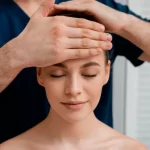
Physiotherapy Solutions for Seniors with Neurological Disorders explores targeted strategies for recovery. Discover new paths to mobility, healing, and personalized care.


Neurological disorders present a unique and often complex challenge for seniors, impacting their mobility, coordination, balance, and overall quality of life. Conditions such as stroke, Parkinsons disease, multiple sclerosis, and neuropathy can lead to significant physical impairments that require specialized care. Fortunately, physiotherapy offers powerful, targeted solutions that help seniors manage symptoms, regain function, and maintain independence.
Understanding Neurological Disorders in Seniors
Neurological disorders affect the nervous system, including the brain, spinal cord, and peripheral nerves. In seniors, these conditions often lead to muscle weakness, spasticity (muscle stiffness), tremors, balance problems, and cognitive difficulties. These impairments can interfere with basic daily activities like walking, dressing, and eating.
The goal of physiotherapy in this context is not only to improve physical function but also to enhance safety, reduce pain, and promote participation in social and recreational activities. Because neurological disorders vary widely, physiotherapy programs must be customized to the individuals specific diagnosis, severity of symptoms, and personal goals.
How Physiotherapy Supports Seniors with Neurological Disorders
Improving Motor Function and Muscle Control
Physiotherapists use specialized techniques such as neurodevelopmental treatment (NDT), proprioceptive neuromuscular facilitation (PNF), and task-specific training to enhance motor skills. These approaches help retrain the brain and muscles to work together more effectively, improving strength, coordination, and control.
Enhancing Balance and Preventing Falls
Balance deficits are common in neurological disorders, making seniors vulnerable to falls. Customized balance training, including exercises on unstable surfaces and gait training with assistive devices, strengthens the core and lower limbs to stabilize posture and prevent accidents.
Managing Spasticity and Muscle Stiffness
Spasticity can cause pain and limit movement. Physiotherapists employ stretching, manual therapy, and sometimes electrical stimulation to reduce muscle tightness and improve range of motion. Relaxation techniques and positioning advice also help alleviate discomfort.
Promoting Functional Independence
Physiotherapy focuses on functional tasks such as standing, walking, transferring, and stair climbing. Therapists often use repetitive practice and adaptive equipment to make these activities easier and safer, helping seniors regain confidence and autonomy.
Addressing Respiratory Function
Certain neurological conditions can impair breathing muscles. Physiotherapists provide breathing exercises and airway clearance techniques to enhance lung function and reduce the risk of infections.
Personalized Physiotherapy Programs for Different Neurological Conditions
Stroke Rehabilitation: Post-stroke physiotherapy focuses on regaining strength, coordination, and speech motor control. Early intervention is critical to prevent complications like contractures and muscle wasting.
Parkinsons Disease: Therapy aims to improve gait, reduce rigidity, and manage tremors. Exercises promoting flexibility and cardiovascular health are emphasized.
Multiple Sclerosis (MS): Programs address fatigue management, muscle weakness, and balance through low-impact aerobic exercises and strength training.
Peripheral Neuropathy: Physiotherapy helps improve sensation and motor function in affected limbs, reducing pain and enhancing mobility.
The Role of Technology in Neurological Physiotherapy
Advances in technology have significantly enhanced physiotherapy outcomes for seniors with neurological disorders. Tools such as virtual reality, robotic-assisted therapy, and electrical stimulation devices help engage patients more effectively and promote neuroplasticitythe brains ability to reorganize and adapt.
For example, virtual reality-based balance exercises provide immersive environments that challenge seniors safely, improving engagement and motivation. Robotic gait trainers assist in relearning walking patterns, especially after a stroke or spinal cord injury.
Why Choose YourFormsUX for Senior Neurological Physiotherapy?
YourFormsUX is committed to supporting physiotherapists with comprehensive, customizable digital tools tailored to senior neurological care. Our platform streamlines assessment, treatment planning, and progress tracking, enabling therapists to deliver evidence-based, patient-centered care efficiently.
For seniors, this means physiotherapy that is not only effective but also transparent and collaborative. Families and caregivers can stay informed about treatment goals and achievements, fostering a supportive environment for recovery and maintenance.
Practical Tips for Seniors and Caregivers
Stay Consistent: Regular physiotherapy sessions, combined with home exercises, maximize benefits.
Communicate Openly: Share any new symptoms, pain, or difficulties with your therapist promptly.
Use Assistive Devices Properly: Ensure that walkers, canes, or braces are fitted and used correctly.
Maintain a Safe Home Environment: Remove hazards, use grab bars, and improve lighting to reduce fall risks.
Focus on Nutrition and Hydration: Good nutrition supports muscle health and overall recovery.
Neurological disorders can pose serious challenges for seniors, but customized physiotherapy programs offer hope and tangible improvements. With professional guidance and a supportive system like YourFormsUX, seniors can regain control over their bodies, enjoy greater independence, and live fuller lives despite neurological impairments.