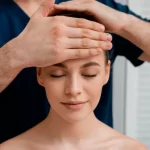
The Power of Therapeutic Exercises for Elderly Independence explores targeted strategies for recovery. Discover new paths to mobility, healing, and personalized care.


Maintaining independence is one of the most important goals for seniors as they age. The ability to carry out daily activities without assistance not only boosts confidence but also improves overall quality of life. One of the most effective ways to preserve and even enhance this independence is through therapeutic exercises guided by physiotherapy.
Therapeutic exercises are specially designed physical activities that focus on improving strength, flexibility, balance, and endurance. When incorporated into a seniors routine under the supervision of a physiotherapist, these exercises can make a significant difference in their mobility and day-to-day functioning.
Why Therapeutic Exercises Matter for Seniors
Aging naturally comes with muscle loss, joint stiffness, and reduced balance. These changes increase the risk of falls, chronic pain, and loss of independence. Therapeutic exercises combat these effects by targeting key areas that influence movement and function:
Muscle Strength: As muscles weaken with age, tasks like climbing stairs or carrying groceries become difficult. Strengthening exercises help rebuild muscle power.
Joint Flexibility: Regular movement prevents joints from becoming stiff and painful, which can limit mobility.
Balance and Coordination: Improved balance reduces fall risk, one of the biggest dangers for seniors.
Cardiovascular Endurance: Enhancing stamina helps seniors stay active longer without fatigue.
Therapeutic exercises go beyond basic movement; they are carefully planned to suit each seniors specific health status and mobility goals.
Types of Therapeutic Exercises for Elderly Independence
Physiotherapists often use a combination of exercises tailored to individual needs. These include:
1. Strength Training:
Resistance exercises using light weights, resistance bands, or body weight help increase muscle mass and improve strength. For seniors, this might include seated leg lifts, wall push-ups, or gentle squats.
2. Flexibility Exercises:
Stretching routines target key muscle groups like the hamstrings, calves, and shoulders to reduce stiffness and maintain joint range of motion.
3. Balance Exercises:
Simple activities such as standing on one foot, heel-to-toe walking, or using balance boards improve stability and reduce fall risk.
4. Aerobic Exercises:
Low-impact cardio like walking, cycling on a stationary bike, or water aerobics boost heart health and endurance.
5. Functional Exercises:
These mimic everyday movements, such as standing up from a chair or reaching overhead, to improve real-life mobility.
How Therapeutic Exercises Promote Independence
When seniors engage in therapeutic exercises regularly, they experience improvements that directly support independence:
Enhanced Ability to Perform Daily Tasks: Simple activities like dressing, cooking, and cleaning become easier.
Improved Confidence in Movement: Fear of falling decreases, encouraging seniors to stay active and socially engaged.
Reduced Pain and Stiffness: Exercises alleviate symptoms of arthritis and other chronic conditions.
Slowed Progression of Age-Related Decline: Regular exercise helps maintain muscle mass and joint health.
Better Mental Health: Physical activity releases endorphins, reducing anxiety and depression.
The Role of Physiotherapists in Therapeutic Exercises
Physiotherapists are experts in human movement and play a vital role in creating safe and effective exercise programs for seniors. They consider individual medical history, current health, and personal goals when designing routines.
They also teach correct exercise techniques to prevent injury and monitor progress, adjusting exercises as needed to keep seniors challenged yet safe.
Furthermore, physiotherapists educate seniors on the importance of consistency and how to integrate exercises into daily life. This guidance helps create sustainable habits that promote long-term independence.
Success Stories: Real-Life Impact of Therapeutic Exercises
Many seniors who have embraced therapeutic exercises under physiotherapy report transformative outcomes. For instance, Margaret, a 72-year-old woman with early arthritis, found that her pain decreased significantly after starting a customized exercise plan. She regained the ability to garden and walk without assistanceactivities she feared losing.
Similarly, John, aged 78, recovered from a minor stroke and struggled with balance. His physiotherapist included balance and strength exercises, enabling him to walk independently again within months.
These stories highlight the power of therapeutic exercises in helping seniors regain control of their lives.
Tips for Seniors Starting Therapeutic Exercises
Consult a Physiotherapist: Always get a professional assessment before beginning any exercise routine.
Start Slow: Begin with low-intensity exercises and gradually increase intensity and duration.
Consistency is Key: Regular sessions, even short ones, produce better results than sporadic effort.
Listen to Your Body: Its normal to feel some muscle soreness, but sharp pain should be addressed immediately.
Stay Motivated: Set small, achievable goals and celebrate progress.
Integrating Therapeutic Exercises into Daily Life
Seniors dont have to spend hours at the gym to reap the benefits. Simple movements and stretches can be incorporated into daily routines:
Use a chair for seated leg lifts while watching TV.
Stretch arms and shoulders after waking up.
Practice standing on one foot while brushing teeth.
Take short, frequent walks around the neighborhood.
Physiotherapists can also recommend group exercise classes tailored for seniors, which offer social benefits alongside physical improvements.
By harnessing the power of therapeutic exercises with professional guidance, seniors can significantly enhance their functional mobility and maintain their independence longer. This proactive approach supports not only physical health but also emotional well-being, fostering a fulfilling and active lifestyle well into later years.