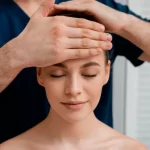
Enhancing Mobility in Seniors After Stroke with Physiotherapy explores targeted strategies for recovery. Discover new paths to mobility, healing, and personalized care.


A stroke can be a life-changing event, especially for seniors. It often leads to weakness, balance problems, and difficulties with movement that can severely limit independence and quality of life. Recovery from a stroke can be a long journey, but physiotherapy plays a crucial role in helping seniors regain mobility, rebuild strength, and improve their ability to perform everyday activities.
In this blog, well explore how physiotherapy enhances mobility after a stroke in older adults, the techniques used, and the benefits of early and consistent rehabilitation.
Understanding Stroke and Its Impact on Mobility
A stroke occurs when blood flow to part of the brain is interrupted, causing brain cells to die. Depending on the strokes location and severity, it can result in:
Muscle weakness or paralysis, often on one side of the body
Poor balance and coordination
Difficulty walking or moving limbs
Reduced sensation or numbness
Speech and cognitive difficulties
These impairments can make mobility and daily functioning challenging, increasing the risk of falls and social isolation.
The Role of Physiotherapy in Post-Stroke Recovery
Physiotherapy aims to maximize recovery by:
1. Assessing Functional Limitations
Therapists evaluate muscle strength, joint range of motion, balance, gait, and coordination to identify mobility challenges.
2. Developing Individualized Treatment Plans
Based on assessment, physiotherapists create customized programs targeting specific deficits.
3. Strengthening Weak Muscles
Targeted exercises help rebuild strength in affected limbs, improving functional use.
4. Improving Balance and Coordination
Balance training reduces fall risk and supports safer movement.
5. Gait Retraining
Therapists work on walking mechanics, often using assistive devices or treadmill training with support.
6. Enhancing Neuroplasticity
Repetitive, task-specific exercises encourage the brain to form new neural connections, aiding recovery.
7. Encouraging Functional Mobility
Physiotherapy focuses on real-life tasks such as standing, transferring, and walking to enhance independence.
Techniques and Tools Used in Stroke Rehabilitation
Therapeutic Exercises: Strengthening, stretching, and functional tasks.
Manual Therapy: To improve joint mobility and reduce muscle tightness.
Electrical Stimulation: Helps activate weak muscles.
Balance Boards and Stability Balls: For balance training.
Treadmill Training: Sometimes with body weight support systems.
Constraint-Induced Movement Therapy: Encourages use of the affected limb by limiting the unaffected one.
Benefits of Physiotherapy After Stroke
Increased muscle strength and joint flexibility
Improved balance and reduced fall risk
Enhanced walking ability and endurance
Greater independence in daily activities
Improved confidence and mental well-being
Real-Life Example: Roberts Recovery
Robert, a 72-year-old stroke survivor, struggled to walk and perform basic tasks after his stroke. With dedicated physiotherapy focusing on strength, balance, and gait retraining, Robert gradually regained mobility and returned to gardening and social activities he once loved.
Importance of Early and Consistent Physiotherapy
Starting physiotherapy as soon as medically stable improves outcomes by capitalizing on the brains plasticity during early recovery. Consistent sessions ensure continued progress and prevent secondary complications like joint contractures and muscle wasting.
Tips for Seniors and Caregivers
Encourage regular participation in physiotherapy sessions.
Create a safe, supportive home environment for mobility practice.
Celebrate small progress to maintain motivation.
Work closely with healthcare providers to monitor recovery.
How YourFormsUX Helps Seniors Access Stroke Rehabilitation
YourFormsUX connects Canadian seniors with physiotherapists experienced in stroke rehabilitation. Our platform simplifies finding qualified professionals and scheduling appointments, ensuring personalized, expert care for post-stroke recovery.
In Summary:
Physiotherapy is a vital component of stroke recovery for seniors, helping restore mobility, improve balance, and promote independence. Early, tailored rehabilitation empowers older adults to regain function and enjoy a better quality of life after stroke.