How Sports-Specific Therapy Tracks Can Help Prevent ACL Injuries in Athletes explores targeted strategies for recovery. Discover new paths to mobility, healing, and personalized care.

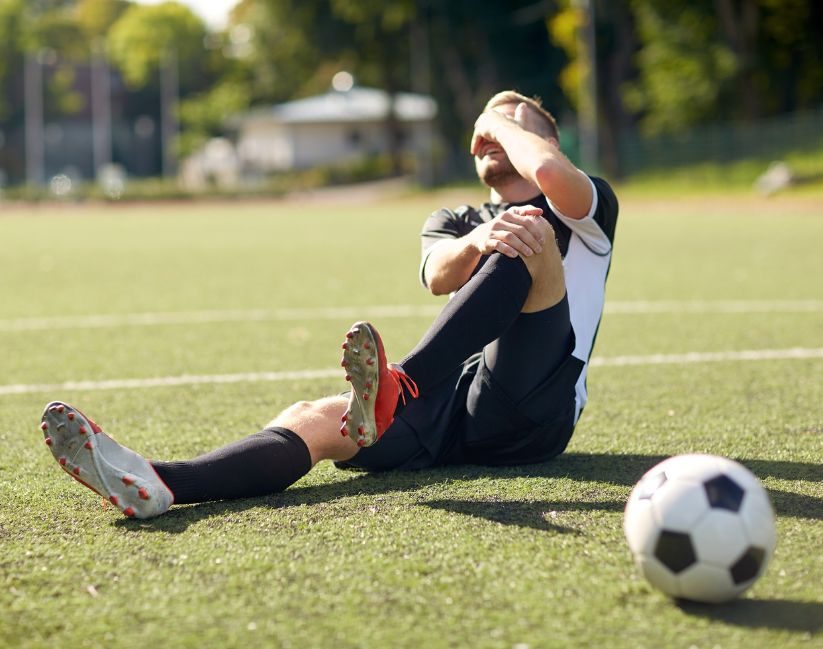
Few injuries are as feared among athletes as an ACL tear. The anterior cruciate ligament (ACL) plays a crucial role in stabilizing the knee during cutting, pivoting, and sudden directional changesmovements that are common across many sports. When torn, it can sideline athletes for months and in some cases, alter their career paths altogether.
But heres the good news: most ACL injuries are preventable. With the right kind of preparation and movement education, athletes can significantly reduce their risk. Thats where sports-specific therapy tracks from YourFormsUX (YFS) come in.
These structured, customized programs target the precise movement patterns, joint control, and muscle activation necessary to protect the ACLwithout compromising athletic performance.
Understanding the ACL and Why Its Vulnerable
The ACL is one of the four main ligaments in the knee, running diagonally through the center and connecting the thigh bone (femur) to the shin bone (tibia). It provides stability during:
Rapid stops and starts
Sudden direction changes (cutting)
Jumping and landing
Pivoting on a planted foot
ACL tears often occur without contactparticularly during improper landings or quick pivots. Female athletes are statistically at higher risk due to biomechanical and hormonal factors, but the danger exists for everyone engaged in sports like soccer, basketball, football, skiing, and volleyball.
The Problem: Movement Faults and Weak Links
Most ACL tears can be traced back to:
Poor neuromuscular control during high-speed movements
Lack of hip and core stability, which causes the knee to collapse inward
Weak or delayed glute activation
Stiff ankles and restricted joint mobility
Imbalanced quadriceps and hamstring strength
Inadequate preparation for sudden loads or impacts
These arent always noticeable during playbut they show up during assessments. Thats why therapy tracks focused on sports-specific movement are so effective at identifying and correcting these faults.
What Is a Sports-Specific Therapy Track?
At YFS, we design sports-specific therapy tracks as structured programs that:
Mimic the exact physical demands of your sport
Integrate mobility, strength, balance, and functional drills
Progressively prepare your body for game-like intensity
Adapt to your injury history, sport position, and performance goals
For ACL prevention, these tracks are designed to:
Improve landing mechanics
Build hip and core stability
Enhance neuromuscular awareness
Train correct cutting and deceleration patterns
Build strength where the body needs it most
Key Components of ACL Injury Prevention at YFS
1. Biomechanical Movement Screening
We start with a full-body functional movement assessment, looking at:
Knee valgus (inward collapse) during squats or jumps
Hip drop and trunk lean during single-leg stance
Hamstring-to-quadriceps strength ratio
Ankle dorsiflexion and calf control
Core strength and rotation
These tell us where the athlete is vulnerableand what needs to be retrained.
2. Plyometric and Jump Landing Training
Landing is where most ACL injuries occur. We train athletes to land with:
Knees aligned with hips and feet
Soft but controlled landings
Engaged glutes and core muscles
Even weight distribution
Drills include:
Box jumps with cue-based landing
Single-leg drop landings
Jump squats with knee tracking focus
Reactive landing drills with external stimulus
Each jump is coached and progressed as the athlete gains control.
3. Cutting, Pivoting, and Deceleration Mechanics
Athletes often tear their ACL during a fast cut or pivot with poor alignment.
Our therapy drills simulate:
Game-like changes in direction
Lateral cuts with load absorption
Crossover steps and rotational movement
Proper knee tracking during acceleration and braking
We use cones, resistance bands, and partner-based drills to keep it dynamic.
4. Strengthening the Protective Chain
The ACL relies heavily on surrounding muscles to stay protected. These include:
Glutes: for lateral hip stability
Hamstrings: to counteract forward pull from the quads
Core muscles: for trunk control
Calves and ankles: for shock absorption and balance
Our therapy track incorporates:
Nordic curls and hamstring bridges
Side-lying abductions and monster walks
Dead bugs, planks, and rotational core work
Split squats and lunge variations
Each exercise is adjusted based on your sport and performance needs.
5. Neuromuscular Training and Balance
ACL prevention is also about reaction time and movement quality.
YFS includes:
Single-leg balance on unstable surfaces
Proprioceptive training under fatigue
Sport-specific footwork ladders
Mirror drills for reactive control
These help your brain and body work in synceven under pressure.
Sport-Specific Customization Examples
Soccer Players
Emphasis on quick changes of direction
Strong glute and core focus
Dynamic landing under contact simulation
Basketball Players
High-volume jump and landing drills
Single-leg stability work
Knee tracking during defensive slides
Football Athletes
Acceleration/deceleration under load
Lateral movement with resistance
Trunk and hip control during explosive plays
Volleyball Players
Vertical jump patterning
Knee stability during dive transitions
Shoulder and hip joint coordination
Skiers/Snowboarders
Dynamic balance on BOSU or balance boards
Core control during rotational drills
Hamstring dominance re-training
When Should Athletes Start ACL Prevention Therapy?
Right now. You dont need to wait for pain or injury to begin training smarter. In fact, the earlier an athlete starts, the more effective the results.
Ideal times to start include:
Pre-season (to prepare the body for intensity)
Post-injury (to reduce re-injury risk)
Off-season (to focus on mobility and strength foundations)
During adolescence (when biomechanics are still developing)
At YFS, we work with athletes across all levelsfrom youth leagues to semi-prosto build bodies that are resilient, strong, and game-ready.
The YFS Difference: Prevention with Performance in Mind
At YourFormsUX, we believe that injury prevention and performance enhancement go hand in hand. Our ACL prevention tracks are not just safetheyre built to make you a better athlete.
With us, you get:
Individualized programming
Real-time feedback on movement
Access to advanced recovery tools
Therapists who understand your sport and your goals
Clear progression from rehab to return-to-play to elite performance
We dont just teach you how to avoid injurywe teach you how to move better, longer, and with more confidence.
Final Thoughts: Protect Your Knees, Protect Your Game
ACL injuries are devastatingbut theyre not inevitable. With the right preparation, education, and movement training, you can stay in the game and at the top of your game.
Sports-specific therapy tracks from YFS give you the tools, support, and strategy to safeguard your kneeswhile building real, measurable performance improvements.
Why wait for injury to start taking your body seriously? Train smarter now, and your knees will thank you for seasons to come.