Physiotherapy for Martial Artists explores targeted strategies for recovery. Discover new paths to mobility, healing, and personalized care.

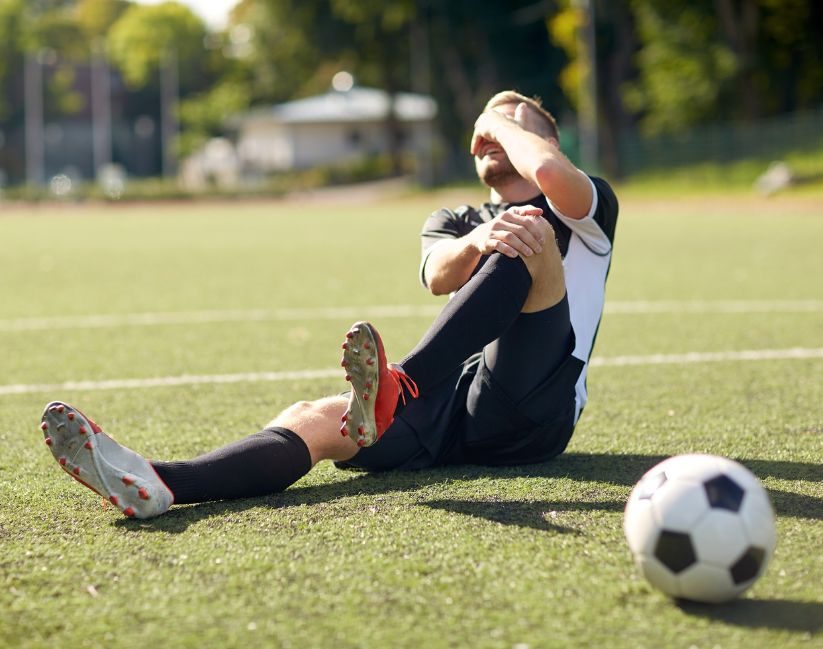
Martial arts demand a unique blend of strength, flexibility, balance, and precision. Whether you practice karate, judo, Brazilian jiu-jitsu, or taekwondo, the intense physical movements place considerable stress on joints and muscles. This makes martial artists prone to injuries, especially in the knees, shoulders, elbows, and wrists.
Physiotherapy tailored specifically for martial artists can help strengthen joints, improve mobility, and prevent injurieskeeping you training hard and performing at your best. In this blog, well discuss the role of physiotherapy in supporting martial artists and how personalized therapy plans make a difference.
Common Joint Injuries in Martial Arts
Knee Injuries: Ligament sprains, meniscus tears, and cartilage damage from twists and takedowns.
Shoulder Injuries: Dislocations, rotator cuff strains, and labral tears due to throws and strikes.
Elbow and Wrist Injuries: Tendonitis and ligament strains from gripping and striking.
Ankle Sprains: From sudden directional changes and impact.
How Physiotherapy Helps Martial Artists
1. Joint Stabilization
Strengthening the muscles around vulnerable joints provides better support and reduces injury risk.
2. Mobility Improvement
Maintaining or increasing range of motion helps martial artists perform techniques more effectively and safely.
3. Injury Rehabilitation
Personalized rehab programs restore joint function and reduce pain following injuries.
4. Neuromuscular Training
Enhances coordination and proprioception, key for balance and quick reactions.
5. Technique Analysis and Correction
Therapists work with athletes to modify movements that may place excessive strain on joints.
Creating a Personalized Therapy Plan
Initial Assessment: Includes joint stability tests, movement screening, and injury history review.
Targeted Exercises: Strengthening, stretching, and balance drills focused on the martial artists specific needs.
Manual Therapy: Techniques to reduce stiffness and improve joint mechanics.
Progressive Loading: Gradually increasing exercise intensity to rebuild strength without causing flare-ups.
Education: Injury prevention tips and strategies for safe training practices.
Injury Prevention Tips for Martial Artists
Always warm up thoroughly before training.
Incorporate joint strengthening and flexibility exercises into regular routines.
Use proper technique and seek coaching feedback.
Listen to your body and rest when needed.
Cross-train to maintain overall muscular balance.
Frequently Asked Questions (FAQs)
Q: Can physiotherapy improve my martial arts performance?
A: Yes, better joint stability and mobility enhance technique execution and endurance.
Q: How soon should I start physiotherapy after an injury?
A: Early treatment can speed healing, ideally within days or weeks of injury.
Q: Are manual therapy techniques painful?
A: They may cause some discomfort but are generally safe and effective when performed by trained therapists.
Q: Can physiotherapy help prevent chronic joint problems?
A: Absolutely. Strengthening and mobility work reduce the risk of long-term joint damage.
Q: How often should I do therapy sessions?
A: Frequency depends on your condition but often starts at 1-2 times per week.
Final Thoughts
Martial arts are demanding, but with the right physiotherapy approach, you can strengthen your joints, reduce injury risk, and enhance your skills. At YourFormsUX in Canada, our expert therapists provide tailored care designed to support martial artists at every level, helping you stay strong, flexible, and injury-free.