Restoring Mobility After a Sports Injury with Physiotherapy Treatments explores targeted strategies for recovery. Discover new paths to mobility, healing, and personalized care.

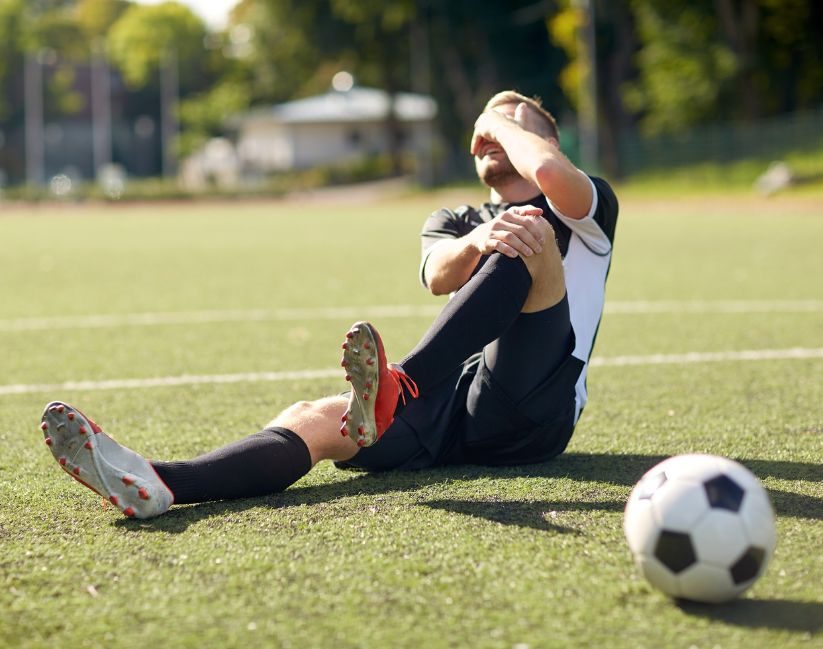
Sports injuries dont just sideline athletesthey can stall performance, disrupt training rhythms, and shake confidence. At YFS (YourFormsUX), our physiotherapy team in Canada specializes in restoring mobility and getting you back to peak performance with targeted treatments designed around your sport, your body, and your goals.
Understanding the Road to Recovery
When a sports injury occurs, tissues like muscles, ligaments, tendons, or joints are damaged. This damage often leads to pain, swelling, reduced range of motion, and muscle weakness. Without proper intervention, limited mobility can become chronic, restricting your daily life or athletic potential. Thats where physiotherapy plays a vital role: guiding safe, effective recovery that restores functionand helps prevent future setbacks.
Key recovery steps include:
Pain management: Techniques to ease discomfort and inflammation.
Mobility restoration: Increasing joint and soft-tissue flexibility.
Strength rebuilding: Targeting muscles to regain stability and power.
Neuromuscular re-education: Encouraging correct movement patterns.
Return-to-play progression: Gradual sport-specific drills and conditioning.
Phase 1: Alleviating Pain & Inflammation
The acute phase begins immediately after injury. Our YFS physiotherapists focus on:
Manual therapy: Techniques like soft tissue release and gentle joint mobilizations help reduce pain and support early tissue healing.
Therapeutic modalities: Interventions such as cold therapy, compression wraps, and therapeutic laser or ultrasound can help reduce swelling and pain without medication reliance.
Protected movement: With guidance, safe micro-movements prevent stiffness while avoiding further damage.
In this phase, complete rest can sometimes slow healingcontrolled mobilization keeps tissues healthy and fluid-filled, supporting faster recovery.
Phase 2: Restoring Joint Range of Motion
Once pain subsides partially, its time to focus on mobility:
Passive range-of-motion exercises: Your therapist assists or uses tools like foam rollers to gently stretch tissues.
Active mobility drills: You reintroduce shorter, pain-free movements to reinforce functional range.
Myofascial release & stretching: Targeted techniques release tight muscles and enhance soft tissue flexibility.
These early interventions are key to avoid stiffness and scar tissue buildup, setting the stage for full functional recovery.
Phase 3: Rebuilding Strength & Stability
A common after-effect of sports injury is muscle atrophy. Without strength to support joints, re-injury risk increases. At YFS, we focus on:
Isometric exercises: Safe muscle engagement without joint movementperfect for early strength phases.
Progressive resistance training: Using bands, light weights, or bodyweight to rebuild muscle strength and endurance.
Core and stabilizer muscle activation: Core and joint stabilizers (hip rotators, scapular muscles) are essential for overall mechanics.
Balance and proprioception drills: Incorporating wobble boards or single-leg drills to retrain the nervous system.
Phase 4: Neuromuscular Re-education & Movement Optimization
Restoring mobility isnt just about muscles and jointsits also about coordination:
Movement pattern analysis: Physiotherapists assess running, jumping, or pivoting mechanics to identify compensation patterns.
Drills to retrain biomechanics: Drills like lateral shuffles, agility ladder drills, or resisted sprint mechanics help optimize movement quality.
Plyometric and kinetic chain work: These help rebuild power through integrated movement sequences.
This neuromuscular retraining ensures that as you regain physical capacity, you do so with efficient, safe mechanics.
Phase 5: Gradual Return to Sport
Transitioning back to sport must be gradual:
Sport-specific conditioning: Tailored drills that mimic game or training environments.
Controlled scrimmages or practice scenarios: Further practice under supervision to assess functional tolerance.
Return-to-play testing: Agreement-based criteriasuch as pain-free mobility, symmetry, strength benchmarks, and agilitymust be met before full return.
At YFS, we empower athletes with confidence and full functional readiness, minimizing re-injury risks through evidence-based progression.
Why YFSs Physiotherapy Approach Works
Expertise in sports-specific rehabilitation: Our therapists know hockey, soccer, basketball, tennis, baseball, and gym training inside out, ensuring sport-tailored recovery that translates directly to success on the field.
Customized mobility and strengthening plans: No one-size-fits-all. Every athlete receives a plan shaped by their anatomy, injury history, sport demands, and lifestyle.
Cutting-edge modalities: From shockwave therapy and active release to dry needling, YFS leverages modern tools to improve tissue health and speed recovery.
Rehab rooted in biomechanical science: We dont just treat symptomswe correct underlying movement inefficiencies to help athletes perform better and avoid re-injury.
Supportive, holistic care: Rehab goes beyond physical exerciseYFS offers nutritional guidance and mental wellness strategies to help athletes stay positive and motivated during recovery.
Real-World Example: Ankle Sprain in a Soccer Player
Initial phase (week 1):
RICE-style approach combined with gentle ankle mobilizations, edema control, and pain management.
Restoration phase (weeks 23):
Passive and active range-of-motion drills; soft tissue release on calf and peroneal muscles.
Strength/stability phase (weeks 46):
Theraband strengthening, single-leg balance on unstable surfaces, gait re-education.
Neuromuscular phase (weeks 78):
Lateral agility drills, sprint-stop-start practice, cutting mechanics.
Return to field (week 9+):
Controlled scrimmage, monitored practice play, ongoing monitoring for comfort, strength symmetry, and mobility.
By nine weeks, the player regained full ankle mobility, strength, stable pivoting, and confidenceready to compete.
Tips to Maximize Mobility Recovery
Be consistent with at-home exercises.
Prioritize sleep and nourishing foods to support healing.
Communicate changespain, swelling, or stiffnesswith your physiotherapist early.
Be patientgradual, structured progression yields more resilient outcomes.
Final Thoughts
Regaining mobility after a sports injury isnt just about bouncing backits about building back better. YFSs sports-specific physiotherapy approach ensures athletes re-enter competition stronger, more balanced, and less prone to future injury. From pain relief and targeted mobility training to neuromuscular retraining and progressive loading, were here for athletes at every stage of recovery.