The Best Recovery Techniques for Athletes explores targeted strategies for recovery. Discover new paths to mobility, healing, and personalized care.

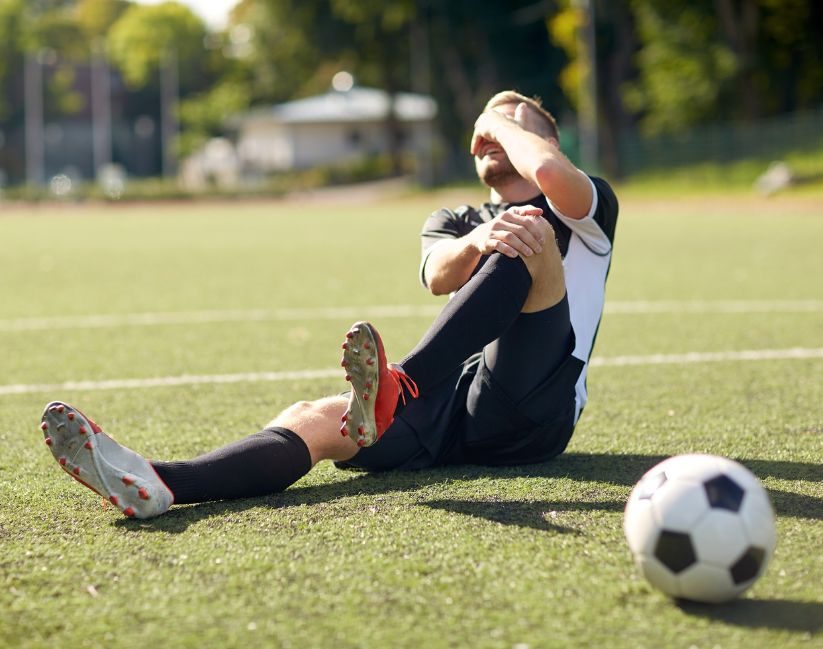
Recovering from a sports injury isnt just about restits about smart, structured movement. At YFS (YourFormsUX), we understand that every athlete, sport, and injury is unique. Thats why our recovery techniques are rooted in sports-specific physiotherapy, a tailored approach designed to accelerate healing, restore performance, and prevent reinjury.
Whether youre a weekend warrior or a professional athlete in Canada, our recovery programs are built around youyour sport, your position, your movement patterns, and your goals.
What is Sports-Specific Physiotherapy?
Sports-specific physiotherapy focuses on the functional demands of an athletes sport. It combines conventional physiotherapy principles with a deep understanding of biomechanics and performance needs in sports like soccer, hockey, tennis, track and field, baseball, and more.
At YFS, our therapists use evidence-based recovery techniques that address both the injury and the athlete’s kinetic chainthe interconnected system of muscles, joints, and nerves that must work in harmony.
Core Recovery Techniques for Athletes at YFS
1. Progressive Load Training
One of the cornerstones of recovery is restoring strength and endurance without causing setbacks. Progressive load training involves:
Gradually increasing resistance or intensity
Preventing muscle atrophy after immobilization
Rebuilding muscle coordination and movement efficiency
For example, after a knee injury, we dont just focus on the quadricepswe strengthen the entire lower limb and core to support proper biomechanics.
2. Manual Therapy for Soft Tissue Repair
Manual therapy helps reduce scar tissue, improve circulation, and restore soft tissue mobility. Our therapists use:
Myofascial release to ease tension in tight areas
Joint mobilization to increase range of motion
Trigger point therapy to reduce muscle spasms
These hands-on techniques play a key role in breaking down adhesions that restrict athletic movement.
3. Neuromuscular Re-education
After an injury, your brain and muscles need to “relearn” proper movement. Through neuromuscular re-education, we retrain the nervous system to:
Reactivate underused stabilizing muscles
Improve reaction time and proprioception
Optimize movement patterns for sport-specific tasks
This might include single-leg balancing for soccer players or scapular stabilization for baseball pitchers.
4. Dynamic Stretching and Flexibility Routines
Static stretching is often overused. At YFS, we prioritize dynamic flexibilityfunctional stretching that prepares athletes for real-world movement. Dynamic stretches:
Enhance joint mobility
Promote blood flow to muscles
Mimic sports movements for better carryover
We create routines tailored to the sport: hip openers for dancers, thoracic spine mobility for golfers, or ankle drills for runners.
5. Functional Movement Screening (FMS)
Before returning to sport, athletes undergo a movement screen to identify:
Muscle imbalances
Asymmetries in flexibility or strength
Risk factors for future injuries
The FMS helps us create prehabilitation programscustom drills that reduce injury risk while reinforcing correct technique.
6. Sports-Specific Return-to-Play Protocols
We never guess when an athlete is ready to return. Instead, we follow structured, criteria-based progressions including:
Strength benchmarks (e.g., 90% symmetry with uninjured limb)
Movement quality under fatigue
Sport drills under controlled conditions
Psychological readiness assessment
Whether youre returning to tennis, hockey, or CrossFit, YFS ensures your recovery isnt just completeits resilient.
Recovery Tailored to the Athlete
Every sport has its demands. Thats why we design protocols based on the physical, mechanical, and cardiovascular requirements of the sport:
For soccer players: Emphasis on hip mobility, single-leg stability, and hamstring strength
For overhead athletes (tennis, volleyball): Scapular control, rotator cuff activation, and thoracic mobility
For runners: Glute activation, ankle strength, and cadence retraining
For hockey players: Multi-planar strength training, explosive movement drills, and groin/adductor rehab
For dancers and gymnasts: Hyper-mobility management, core stability, and proprioception training
Our goal is always to restore the athlete, not just the injured part.
The YFS Advantage: Combining Science with Sport
When it comes to recovery, not all physiotherapy clinics are created equal. At YFS, we offer:
Experienced therapists with sports backgrounds: Many of our team members have competed or worked alongside elite athletes.
Modern recovery tools: From dry needling to shockwave therapy, we use technology to enhance outcomes.
Integrated strength and conditioning plans: Designed by experts to bridge the gap between rehab and training.
Mental resilience coaching: Recovery isn’t just physicalmental strength is vital for full comeback.
Why Smart Recovery Matters
Rushing back to sport without full recovery can increase the risk of:
Chronic instability
Repeated soft tissue injuries
Long-term performance decline
Burnout or mental fatigue
By trusting your recovery to a sports-specific physiotherapy team, you give your body the best shot at not just healing, but thriving.
Final Thoughts
Sports-specific physiotherapy is more than treatmentits a roadmap back to athletic excellence. At YFS, we help Canadian athletes of all levels recover smarter, faster, and safer using time-tested, evidence-based recovery techniques. Whether youre healing from a hamstring pull, a torn ligament, or repetitive overuse, our team will guide you every step of the way with purpose-driven care.
Recovery isn’t passive. With the right therapy, it’s a comeback.