Improving Flexibility and Strength for Soccer Athletes with Sports-Specific Therapy explores targeted strategies for recovery. Discover new paths to mobility, healing, and personalized care.

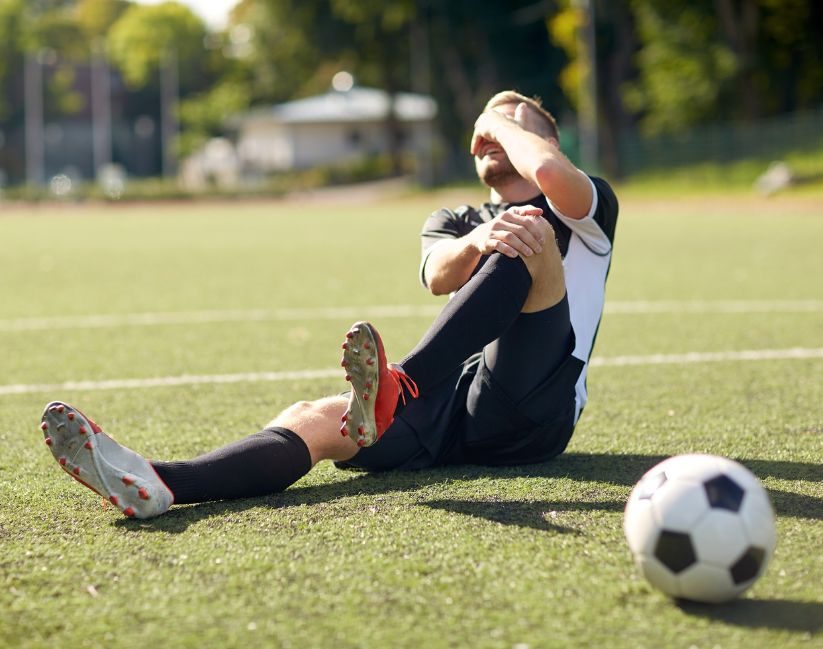
Soccer is a beautiful game that demands power, speed, agility, and endurance. But to perform at a high level and reduce injury risk, athletes also need one essential but often overlooked combination: flexibility and strength. When these two pillars are balanced, soccer players move more efficiently, recover faster, and stay off the sidelines.
At YFS (YourFormsUX), our sports-specific physiotherapy for soccer athletes in Canada is designed to optimize both flexibility and strength. Whether you’re a striker working on explosive sprints or a midfielder covering 10K per match, we build targeted programs to help you move better, play harder, and stay injury-free.
Why Flexibility and Strength Matter in Soccer
Soccer involves constant multidirectional movementcutting, sprinting, pivoting, and jumping. This requires a delicate balance of muscle power and joint mobility. If muscles are too tight, movement becomes restricted. If theyre too loose without strength, joints become unstable.
Common issues include:
Tight hip flexors and hamstrings from constant running
Weak glutes leading to knee or back pain
Poor ankle mobility increasing risk of sprains
Asymmetrical strength causing compensation injuries
Through sports-specific physiotherapy, we target these problem areas with purpose-built movement plans.
Phase 1: Assessing the Athlete
Every program at YFS begins with a full-body movement assessment:
Hip and hamstring flexibility testing
Core and glute activation assessments
Single-leg stability and strength checks
Range of motion in knees, hips, and ankles
Functional movement screening (squats, lunges, jumping, change of direction)
This helps us identify any imbalances, restrictions, or weaknesses that could hinder performance or lead to injury.
Phase 2: Flexibility-Focused Training
Soccer players often have tight lower bodies, especially in the quads, hamstrings, and calves. At YFS, we implement flexibility protocols that include:
Dynamic Stretching Routines (Pre-training)
Leg swings (front-to-back and side-to-side)
Walking lunges with trunk rotation
High knees and butt kicks
World’s Greatest Stretch variations
These prepare muscles for intense play by improving range of motion and activating key muscle groups.
Static Stretching and Foam Rolling (Post-training)
Hamstring and hip flexor holds
Piriformis and IT band stretches
Calf wall stretches
Foam rolling to reduce muscle tightness and improve recovery
We ensure athletes understand the timing of stretches to get the most out of themdynamic for activation, static for recovery.
Phase 3: Building Functional Strength
Soccer is a unilateral sportmost movements happen one leg at a time. Thats why our strength training emphasizes functional, sport-specific exercises, such as:
Lower Body Power
Bulgarian split squats
Single-leg RDLs (Romanian deadlifts)
Resistance band lateral walks for glute activation
Plyometric box jumps for explosive force
Core Stability
Anti-rotation presses
Dead bugs and bird-dogs
Planks with leg lifts
Med ball slams and throws
A strong core connects the upper and lower body, improving agility, balance, and shot power.
Hip and Ankle Strength
Step-ups and lateral lunges
Ankle resistance band drills
Heel raises on unstable surfaces
Controlled dorsiflexion and plantarflexion movements
These prevent common soccer injuries like ankle sprains, groin pulls, and hamstring strains.
Phase 4: Integrating Flexibility and Strength in Soccer Drills
At YFS, we blend flexibility and strength into real-game scenarios:
Cone agility drills with deceleration focus
Resistance sprinting with power-building mechanics
Controlled directional changes with core engagement
Ball control drills with integrated balance challenges
These hybrid drills ensure players transfer gains from the gym to the pitch.
Recovery Strategies That Support Growth
Proper recovery amplifies the benefits of flexibility and strength training. We support athletes with:
Myofascial release techniques for tight tissues
Mobility circuits between game days
Active recovery sessions with light cardio and dynamic movement
Hydration and nutrition tips to support muscle function and repair
Our physiotherapists also use modalities like dry needling, cupping, and soft tissue therapy to aid muscle recovery and reduce soreness.
Benefits of Sports-Specific Therapy for Soccer Athletes
Fewer strains and sprains throughout the season
Increased sprint speed and stride length
Better balance during sharp turns and tackles
Stronger kicks with improved hip range and glute activation
More consistent performance, even during fatigue
Most importantly, our therapy empowers athletes with a better understanding of their bodiesso they can self-monitor, self-correct, and grow with confidence.
The YFS Difference
Personalized movement plans based on age, position, and playing level
Progressive programming to keep athletes improving throughout the year
Performance-driven rehabilitation if returning from injury
Collaboration with coaches and parents to support athlete development holistically
Whether youre a teenage academy player or an adult competing in weekend leagues, our sports-specific therapy will help you stay ahead of the game.
Final Thoughts
Strength and flexibility arent separate goalstheyre two sides of the same performance coin. At YFS, our soccer-specific physiotherapy builds a better foundation so athletes can run harder, kick stronger, and stay healthier throughout their career. Its not just about being fitits about being functionally fit for the demands of your sport.
Ready to step up your game? Lets build strength, unlock flexibility, and prevent injuriesone movement at a time.