The Role of Sports-Specific Therapy in Overcoming Chronic Injuries in Athletes explores targeted strategies for recovery. Discover new paths to mobility, healing, and personalized care.

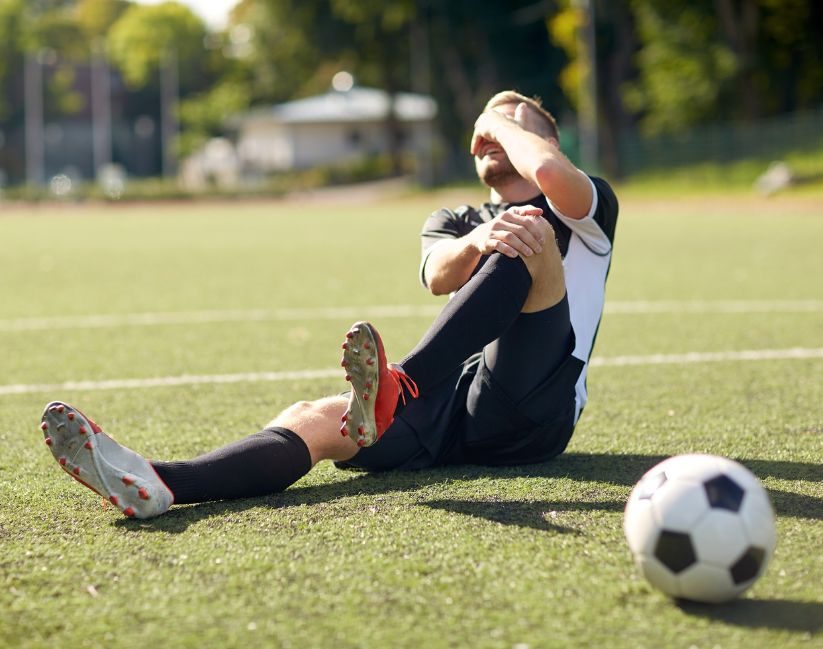
Chronic injuries are a frustrating reality for many athletes, whether they compete professionally or simply love staying active. Unlike acute injuries that occur suddenly, chronic injuries develop gradually over time due to repetitive stress, overuse, or biomechanical imbalances. These injuries not only cause persistent pain but also limit an athletes performance and can threaten their long-term sports career. The good news? Sports-specific therapy has emerged as a game-changing approach to managing and overcoming chronic injuries by addressing the unique needs of each athlete and their sport.
Understanding Chronic Injuries in Athletes
Chronic injuries often result from repetitive microtrauma that accumulates beyond the body’s ability to heal. Common examples include tendonitis, stress fractures, chronic lower back pain, and bursitis. Unlike sudden injuries, chronic conditions tend to linger, flare up with activity, and may worsen without proper care.
Athletes frequently push through pain to maintain their training schedules, unknowingly exacerbating the problem. Standard treatment protocols that focus on generic rest and ice may provide temporary relief but rarely address the root cause of the injury or the specific demands of the athletes sport.
What is Sports-Specific Therapy?
Sports-specific therapy is a tailored rehabilitation approach that considers the biomechanics, movement patterns, and physical demands unique to each sport. Instead of a one-size-fits-all treatment, it focuses on creating individualized programs to restore function, correct imbalances, and enhance performance within the context of the athletes discipline.
For example, the rehabilitation plan for a tennis player with chronic shoulder pain will differ significantly from that of a runner dealing with persistent shin splints. This specificity improves outcomes by directly targeting the injury mechanisms and supporting the athletes return to peak form.
How Sports-Specific Therapy Helps Overcome Chronic Injuries
Detailed Assessment and Diagnosis
The process starts with a thorough evaluation of the injury history, movement patterns, and sport-specific demands. Advanced tools such as video gait analysis or motion capture may be used to identify subtle biomechanical faults that contribute to the injury.
Addressing Underlying Causes
Chronic injuries rarely stem from one factor alone. Sports-specific therapy digs deeper to uncover causes like muscle imbalances, joint stiffness, poor technique, or inadequate recovery practices. These factors are then systematically addressed to prevent recurrence.
Customized Rehabilitation Exercises
Therapy involves exercises that not only promote healing but also mimic the movements and stresses of the athletes sport. This might include plyometrics for a basketball player, rotational drills for a golfer, or eccentric strengthening for a runners calf muscles.
Progressive Load Management
Managing training loads carefully is crucial for chronic injury recovery. Sports-specific therapists work closely with coaches and athletes to adjust activity intensity and volume, ensuring a gradual return to sport without risking flare-ups.
Injury Prevention Education
Long-term success requires lifestyle and technique adjustments. Therapists educate athletes on warm-up routines, flexibility exercises, and proper biomechanics tailored to their sport, empowering them to avoid future injuries.
The Benefits of Sports-Specific Therapy for Chronic Injuries
Faster and More Complete Recovery: Tailored programs target root causes, accelerating healing and reducing downtime.
Reduced Risk of Re-Injury: Correcting biomechanical issues and strengthening weak areas lowers injury recurrence.
Improved Athletic Performance: Rehabilitation that integrates sport-specific movements helps athletes return stronger and more efficient.
Better Mental Confidence: Knowing their therapy is designed for their sport helps athletes stay motivated and confident during recovery.
Case Example: A Runner with Chronic Achilles Tendonitis
Imagine a runner battling persistent Achilles tendon pain. Traditional treatments might focus solely on rest and anti-inflammatories, but a sports-specific therapy approach would analyze the runners foot strike, ankle mobility, calf strength, and training patterns. The rehabilitation might include eccentric heel drops, gait retraining, and gradual mileage increases, all tailored to the runners goals and timeline.
Conclusion
Chronic injuries can derail even the most dedicated athletes, but sports-specific therapy offers a powerful solution by addressing injuries through the lens of the athletes unique sporting demands. With personalized assessment, targeted rehabilitation, and education focused on prevention, athletes can overcome chronic pain and get back to performing at their best. If youre an athlete struggling with a persistent injury, considering a sports-specific therapy approach could be the key to lasting recovery and renewed success in your sport.