How to Manage Tendonitis in Athletes with Sports-Specific Physiotherapy explores targeted strategies for recovery. Discover new paths to mobility, healing, and personalized care.

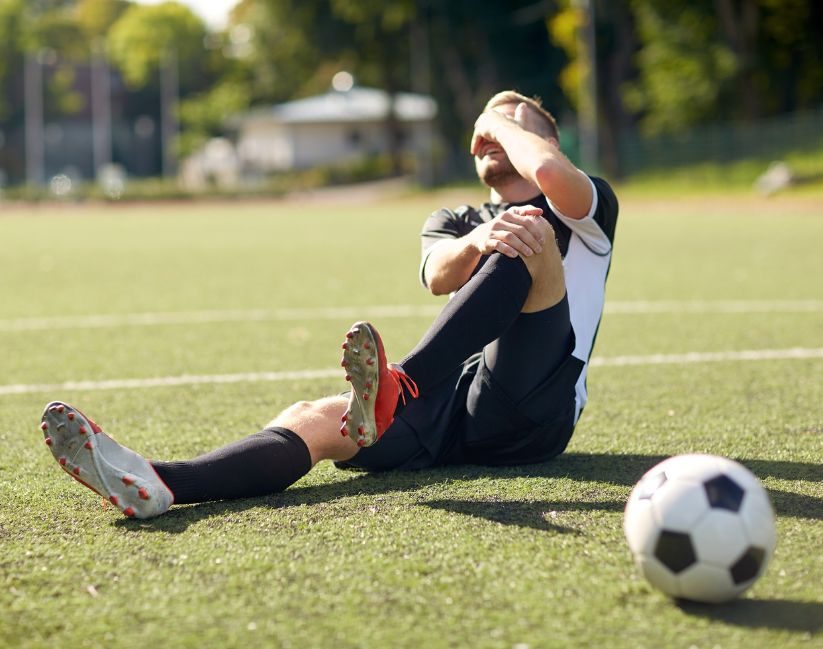
Tendonitis is one of the most common complaints among athletes, affecting tendons across the body due to repetitive strain and overuse. Whether its the Achilles tendon in runners, the rotator cuff in swimmers, or the elbow tendons in tennis players, tendonitis can cause persistent pain and limit athletic performance. Managing tendonitis effectively requires more than just restit demands a sports-specific physiotherapy approach tailored to the athletes unique needs, sport, and injury stage.
What is Tendonitis and Why Does It Occur?
Tendonitis refers to the inflammation of a tendon, the thick fibrous cords connecting muscles to bones. It usually develops gradually as tendons become irritated and swollen from repetitive motion or excessive load. Common symptoms include pain, tenderness, stiffness, and swelling near the affected joint, which often worsen with activity.
In athletes, tendonitis typically results from training errors such as sudden increases in intensity or volume, poor technique, or muscle imbalances that place extra stress on tendons. Without proper treatment, tendonitis can progress to tendinosisa degenerative condition with damaged tendon fibers, making recovery longer and more complex.
Why Sports-Specific Physiotherapy Is Essential
Athletes dont just want to recover; they want to return to their sport at full strength and performance. Sports-specific physiotherapy offers a focused, customized rehabilitation plan that considers the athletes sport, position, biomechanics, and goals. This tailored approach addresses not only pain relief but also long-term prevention.
Key Components of Managing Tendonitis with Sports-Specific Physiotherapy
Comprehensive Assessment
Physiotherapists begin with a detailed evaluation of the affected tendon and related joints. This includes examining movement patterns, strength, flexibility, and any biomechanical faults contributing to overload.
Pain and Inflammation Control
Early treatment focuses on reducing inflammation using modalities like ice, ultrasound, or manual therapy. Activity modification is advised to avoid aggravating movements while maintaining some degree of functional movement to prevent stiffness.
Gradual Load Progression
Tendons need to be gradually reintroduced to load to stimulate healing and remodeling. Physiotherapists design progressive exercise programs that strengthen the tendon without causing flare-ups. This typically includes eccentric strengthening exercises, which have strong evidence supporting their effectiveness in tendonitis rehabilitation.
Correcting Biomechanical Issues
Many cases of tendonitis stem from faulty movement patterns. Through video analysis and movement retraining, therapists help athletes correct technique flaws that place undue stress on tendons. For example, a runner may be coached to adjust foot strike or cadence to reduce Achilles tendon load.
Sport-Specific Conditioning
Rehab exercises evolve to mimic sport-specific demands, such as sprint drills for a soccer player or overhead motions for a volleyball player. This ensures the tendon and surrounding muscles are prepared for the precise stresses they will encounter during competition.
Education and Injury Prevention
Athletes receive guidance on proper warm-up routines, training load management, footwear, and ergonomic considerations to protect their tendons long-term.
The Benefits of Sports-Specific Physiotherapy for Tendonitis
Effective Pain Relief: Targeted treatments reduce symptoms faster than generic approaches.
Quicker Return to Sport: Tailored rehab enables safe, timely return to training and competition.
Reduced Risk of Recurrence: Addressing root causes and technique flaws prevents future tendonitis.
Optimized Performance: Conditioning programs improve strength, flexibility, and endurance specific to the athletes sport.
Practical Example: Managing Tennis Elbow (Lateral Epicondylitis)
Tennis elbow is a form of tendonitis affecting the forearm tendons. A sports-specific physiotherapy approach might include evaluating racket grip, stroke technique, and muscle strength imbalances. Rehabilitation focuses on eccentric wrist extensor exercises, improving shoulder and scapular stability, and modifying training loads. This approach not only treats symptoms but also optimizes the players mechanics to prevent recurrence.
Conclusion
Tendonitis can be a stubborn, frustrating injury for athletes, but with the right sports-specific physiotherapy, it is manageable and recoverable. By combining pain management, progressive strengthening, biomechanical correction, and sport-focused conditioning, athletes can overcome tendonitis and get back to peak performance safely and efficiently. If youre facing tendon pain, consulting a physiotherapist who understands your sports unique demands could be your best move toward recovery.