Custom Physiotherapy Treatments for Recovery in Skiers and Snowboarders explores targeted strategies for recovery. Discover new paths to mobility, healing, and personalized care.

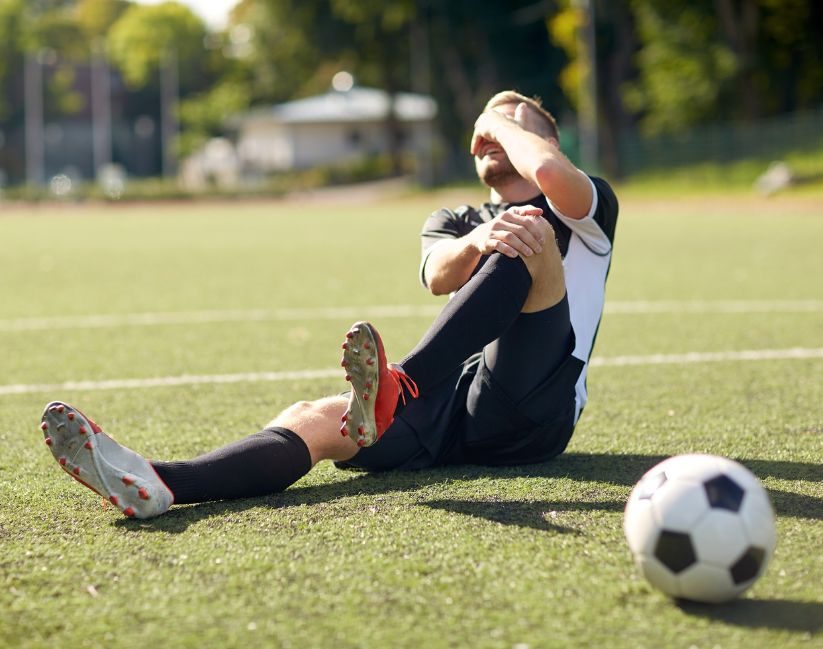
Winter sports like skiing and snowboarding offer adrenaline-pumping excitement and incredible physical challenges. However, they also come with a high risk of injury due to high speeds, sharp turns, jumps, and unpredictable terrain. Skiers and snowboarders often face injuries to the knees, ankles, shoulders, and wrists. Effective recovery and return to sport require a tailored physiotherapy approach that considers the specific demands and injury patterns of these athletes. Custom physiotherapy treatments are key to helping winter sports enthusiasts heal properly, regain function, and get back on the slopes safely.
Common Injuries in Skiing and Snowboarding
Knee Injuries: ACL tears and meniscus injuries are prevalent due to twisting falls and abrupt stops.
Ankle Sprains and Fractures: Sudden landings and awkward twists put strain on the ankle ligaments and bones.
Shoulder Injuries: Falls often lead to dislocations, rotator cuff strains, or fractures.
Wrist Fractures: Snowboarders commonly injure their wrists during falls as they instinctively try to break the impact.
Why Custom Physiotherapy Is Essential
Every injury and athlete is unique. A one-size-fits-all rehab program often fails to address individual needs, leading to prolonged recovery or re-injury. Custom physiotherapy treatments consider factors such as:
Type and severity of injury
Athletes age, fitness level, and previous injury history
Specific biomechanical and functional demands of skiing or snowboarding
Seasonal goals and timeline for return to sport
This personalized approach improves outcomes and minimizes downtime.
Components of Custom Physiotherapy Treatments for Skiers and Snowboarders
1. Detailed Initial Assessment
Physiotherapists perform a comprehensive evaluation of injury extent, joint mobility, muscle strength, balance, and movement patterns. They identify any compensatory behaviors developed post-injury that might hinder recovery or increase re-injury risk.
2. Pain and Inflammation Management
Early treatments include modalities like ice therapy, ultrasound, and manual lymphatic drainage to reduce swelling and discomfort, creating an optimal healing environment.
3. Restoring Range of Motion and Flexibility
Injuries often cause joint stiffness and muscle tightness. Therapists use joint mobilizations, stretching, and soft tissue massage to restore mobility crucial for skiing and snowboarding maneuvers.
4. Strengthening and Neuromuscular Training
Customized exercises focus on rebuilding strength in key muscle groupsquadriceps, hamstrings, glutes, calves, core, and shoulder stabilizers. Neuromuscular training enhances balance and proprioception, helping athletes regain confidence on unstable surfaces.
5. Sport-Specific Functional Training
As healing progresses, rehabilitation incorporates movements mimicking skiing and snowboarding demandssuch as lateral jumps, balance board drills, and simulated turns. This phase prepares athletes to handle real-world stresses on the slopes.
6. Psychological Support and Goal Setting
Recovering from a significant injury can be mentally challenging. Physiotherapists often support athletes by setting realistic milestones, fostering motivation, and reducing fear of re-injury.
Preventing Future Injuries
Custom therapy includes education on proper technique, protective gear, and off-season conditioning programs designed to maintain strength, flexibility, and joint stability.
Benefits of Custom Physiotherapy for Skiers and Snowboarders
Faster, safer recovery tailored to individual needs
Reduced risk of re-injury by addressing biomechanical faults
Enhanced confidence and readiness for return to sport
Improved overall athletic performance and injury resilience
Real-World Example: Returning from an ACL Injury
A snowboarder recovering from an ACL tear undergoes a personalized therapy plan emphasizing early pain management, gradual knee strengthening, balance retraining, and sport-specific drills. With close monitoring and adjustments, the athlete safely returns to competitive snowboarding within the desired timeline.
Conclusion
Skiing and snowboarding demand high levels of strength, balance, and agility. Injuries can be debilitating, but with custom physiotherapy treatments, athletes can recover efficiently and return to their passion stronger than ever. If youre involved in winter sports and facing an injury, investing in a personalized rehab plan tailored to your sport is essential for a successful comeback.