Sports-Specific Therapy for Enhancing Speed and Agility in Football Players explores targeted strategies for recovery. Discover new paths to mobility, healing, and personalized care.

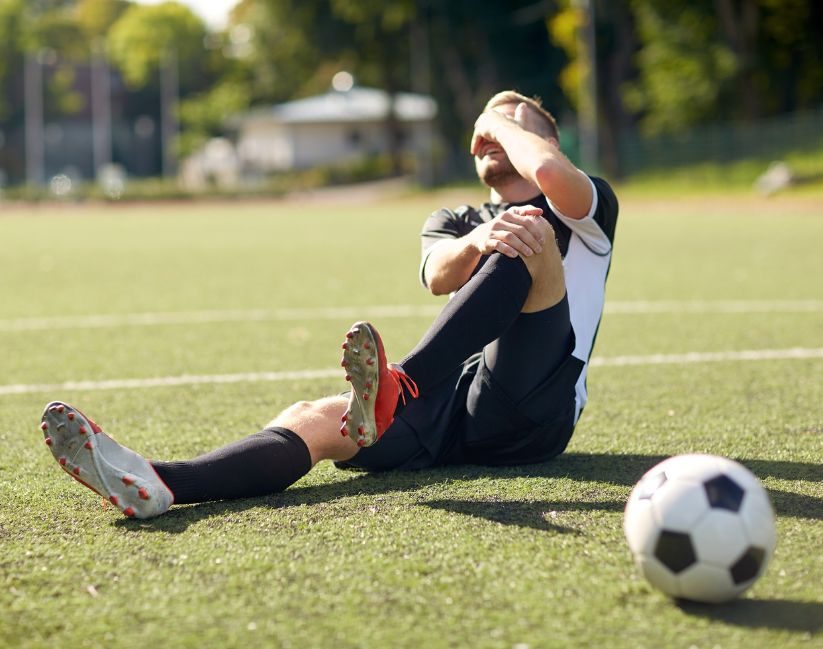
In football, speed and agility are often the defining factors between winning and losing. Whether its outrunning defenders, making quick cuts, or accelerating for a crucial tackle, football players rely heavily on their ability to move explosively and change direction efficiently. Enhancing these physical qualities is a central focus in training programs, and sports-specific therapy plays a critical role in developing and maintaining speed and agility while minimizing injury risks.
Why Speed and Agility Matter in Football
Football is an intense sport that demands rapid bursts of speed, sudden stops, sharp turns, and quick reaction times. Speed allows players to cover the field quickly, evade opponents, and execute plays with precision. Agility enables them to change direction smoothly and maintain balance under pressure.
Improving these attributes can lead to:
Better overall athletic performance
Increased effectiveness in offensive and defensive plays
Reduced risk of non-contact injuries such as hamstring strains and ACL tears
What Is Sports-Specific Therapy?
Sports-specific therapy is a tailored approach to rehabilitation and performance enhancement that focuses on the unique physical and biomechanical demands of a particular sportin this case, football. Unlike general fitness training, this therapy incorporates movement patterns, drills, and conditioning exercises that mimic the sports real-world challenges.
How Sports-Specific Therapy Enhances Speed and Agility
Assessment of Movement and Mechanics
A physiotherapist begins by analyzing the players running form, cutting techniques, balance, and muscle strength. Identifying weaknesses or faulty movement patterns allows for a customized therapy plan.
Strength and Power Training
Enhancing lower body strength, especially in the glutes, hamstrings, and quadriceps, is fundamental for explosive speed. Therapy programs include plyometrics, resistance exercises, and sprint drills designed to build power.
Neuromuscular Training
Agility depends on coordination between the nervous system and muscles. Balance exercises, reaction drills, and proprioceptive training improve neuromuscular control, allowing faster and more controlled directional changes.
Flexibility and Mobility Work
Proper joint mobility and muscle flexibility ensure efficient movement and reduce injury risk. Stretching and joint mobilizations target hips, ankles, and knees, crucial for football players.
Sport-Specific Drills
Drills simulating football movementslike shuttle runs, cone drills, and ladder exerciseshelp players apply their enhanced strength and agility in contexts that closely mimic game situations.
Injury Prevention Education
Therapists teach players about proper warm-ups, cooldowns, and recovery techniques to maintain peak physical condition and avoid overuse injuries.
Benefits of Sports-Specific Therapy for Football Players
Improved Performance: Customized training boosts speed, agility, and overall athleticism.
Reduced Injury Risk: Strengthening and neuromuscular training help stabilize joints and prevent common football injuries.
Faster Recovery: Tailored rehab accelerates return to play after injuries.
Longevity: Maintaining physical health supports longer playing careers.
Real-Life Example: Enhancing Agility in a Wide Receiver
A wide receiver struggles with quick cuts and acceleration. After an assessment reveals weak hip abductors and poor balance, a physiotherapist develops a program incorporating lateral lunges, single-leg balance drills, and agility ladder exercises. Over time, the player notices improved cutting ability, quicker acceleration, and less fatigue during games.
Conclusion
Speed and agility are crucial for football players aiming to excel on the field. Sports-specific therapy offers an effective, personalized approach to develop these attributes while minimizing injury risks. If you want to improve your football performance or recover from injury, engaging with a therapy program tailored to the sports demands can make all the difference in your game.