Using Sports-Specific Therapy for Recovery from Golf-Related Injuries explores targeted strategies for recovery. Discover new paths to mobility, healing, and personalized care.

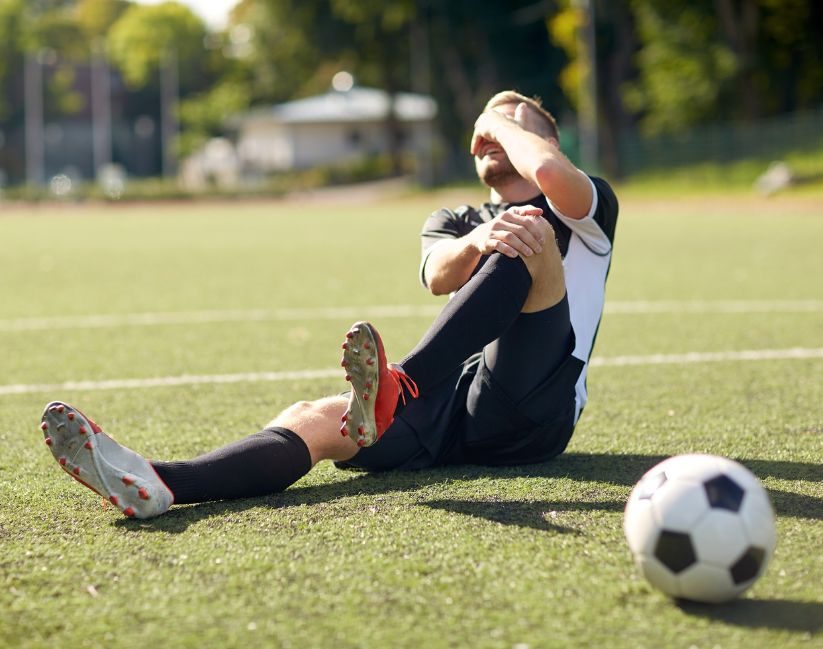
Golf may seem less physically demanding than contact sports, but it places unique stresses on the body that can lead to a range of injuries. From repetitive strain to acute trauma caused by poor swing mechanics, golf-related injuries can severely impact a players ability to perform and enjoy the game.
Sports-specific therapy offers a targeted approach to recovering from golf injuriesfocusing not just on healing but on correcting the biomechanical flaws and muscle imbalances that often cause these injuries. This ensures a safe return to play with improved performance and reduced risk of recurrence.
Common Golf-Related Injuries
Golfers Elbow (Medial Epicondylitis): Inflammation of the tendons on the inside of the elbow from repetitive gripping and swinging.
Rotator Cuff Injuries: Strains or tears in shoulder muscles due to overuse and improper mechanics.
Lower Back Pain: Often from poor posture and rotational forces during the swing.
Wrist Tendonitis: Repetitive motions can cause inflammation and pain in wrist tendons.
Hip and Knee Strains: From twisting and weight transfer during the swing.
How Sports-Specific Therapy Aids Golf Injury Recovery
Sports-specific therapy tailors rehabilitation to the golfers unique swing mechanics, physical condition, and injury type. The goal is to restore function while addressing underlying causes such as muscle imbalances, poor flexibility, and faulty movement patterns.
Key Components of Golf-Specific Therapy
1. Detailed Biomechanical Assessment
Therapists analyze the golfers swing and posture to identify movements that stress injured areas. This may include video analysis and motion tracking.
2. Manual Therapy and Pain Management
Techniques like massage, myofascial release, and joint mobilization relieve pain, reduce muscle tension, and improve mobility.
3. Targeted Strengthening and Flexibility
Exercises focus on shoulder stability, core strength, hip mobility, and wrist flexibilitymuscle groups critical for a smooth, powerful swing.
4. Swing Mechanics Correction
Therapists work with golfers and coaches to adjust swing technique, minimizing harmful stress on vulnerable joints.
5. Functional and Progressive Training
Rehabilitation includes drills that simulate swing motions, gradually increasing intensity and complexity as healing progresses.
Benefits of Sports-Specific Therapy for Golfers
Faster Recovery: Targeted rehab speeds healing and reduces downtime.
Reduced Reinjury Risk: Correcting biomechanical faults prevents chronic problems.
Enhanced Performance: Improved strength and flexibility translate into better swing power and control.
Greater Longevity in the Sport: Sustainable movement patterns protect joints over time.
Why Your Forms UX (YFS) Is the Best Choice for Golf Injury Rehab
At Your Forms UX (YFS) in Canada, we understand golfs unique physical demands and injury risks. Our sports-specific therapy programs combine clinical expertise with deep knowledge of golf biomechanics to create effective rehab plans.
We provide:
Comprehensive injury and movement assessments
Customized manual therapy and exercise regimens
Collaboration with golf coaches to optimize swing mechanics
Ongoing support to ensure a confident, injury-free return to the game
With YFS, golfers dont just recoverthey come back stronger, more skilled, and ready to enjoy every round.