Preventing Groin Injuries in Soccer Players with Physiotherapy explores targeted strategies for recovery. Discover new paths to mobility, healing, and personalized care.

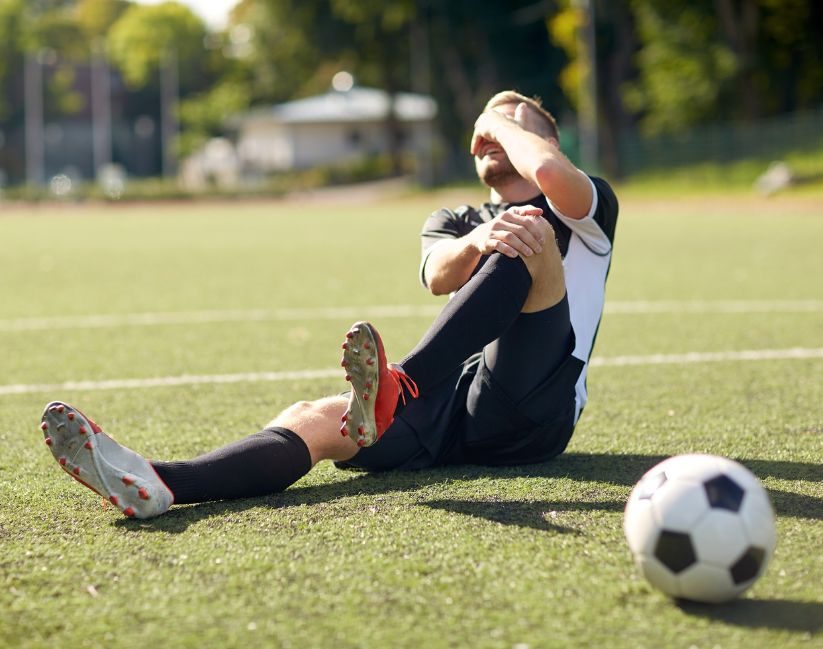
Soccer is one of the most physically demanding sports worldwide, requiring explosive speed, quick changes in direction, and powerful kicking. These dynamic movements place significant stress on the groin muscles, making groin injuries a common and frustrating issue for soccer players. Fortunately, physiotherapy offers effective strategies to prevent these injuries, helping players stay on the pitch longer and perform at their best.
Understanding Groin Injuries in Soccer
Groin injuries usually involve strains or tears to the adductor muscles the group of muscles responsible for bringing the leg inward toward the body. Sudden bursts of speed, rapid cutting maneuvers, and repetitive kicking can cause overuse or acute injuries to these muscles.
Symptoms often include sharp pain in the groin area, stiffness, swelling, and limited mobility. Without proper prevention and management, groin injuries can become chronic and severely limit an athletes ability to train and compete.
How Physiotherapy Helps Prevent Groin Injuries
Physiotherapy focuses on identifying risk factors and addressing muscle imbalances, tightness, and weaknesses that contribute to groin injuries. A physiotherapist will develop a personalized injury prevention program that combines stretching, strengthening, and functional training.
Key Prevention Techniques
Muscle Strengthening
Strengthening the adductors, hip flexors, and core muscles creates a balanced muscular system that supports the pelvis and groin area. Exercises such as side-lying leg lifts, resisted adduction, and planks are common components of these programs.
Flexibility and Stretching
Tight muscles are more prone to injury. Physiotherapists guide soccer players through dynamic and static stretching routines that improve groin and hip flexibility, reducing strain during play.
Neuromuscular Training
This training improves coordination and control during complex movements like cutting and pivoting, reducing the risk of sudden groin strains.
Proper Warm-Up and Cool-Down
Physiotherapy educates athletes on the importance of warming up muscles before games or training and cooling down afterward to aid recovery.
Movement Pattern Correction
Gait and movement assessments help identify improper techniques that may overload the groin muscles. Correcting these patterns helps distribute forces evenly and reduce injury risk.
The Role of Sports-Specific Physiotherapy in Soccer
Groin injury prevention in soccer isnt just about generic exercisesit requires sport-specific therapy tailored to the players position, style of play, and injury history. Physiotherapists design drills and rehab protocols that simulate soccer movements, ensuring that injury prevention translates directly to on-field performance.
Early Intervention and Injury Management
If a player experiences early signs of groin discomfort, prompt physiotherapy intervention can prevent a minor strain from developing into a serious injury. Early rehab focusing on pain relief, gentle stretching, and progressive strengthening allows faster return to play.
Why Canadian Soccer Players Should Consider Physiotherapy
Canadas growing soccer community benefits from access to skilled physiotherapists experienced in sports injury prevention. With tailored programs and expert guidance, Canadian soccer players can protect their bodies and optimize their game.
Conclusion
Groin injuries are a significant setback for soccer players, but they dont have to be inevitable. With the right physiotherapy approach focused on strengthening, flexibility, neuromuscular control, and sport-specific training, players can effectively prevent groin injuries and enjoy sustained performance on the field.
If youre serious about soccer and want to protect yourself from groin injuries, partnering with a physiotherapist experienced in sports injury prevention is a smart step toward a healthier, stronger career.