Recovering from Tennis Elbow explores targeted strategies for recovery. Discover new paths to mobility, healing, and personalized care.

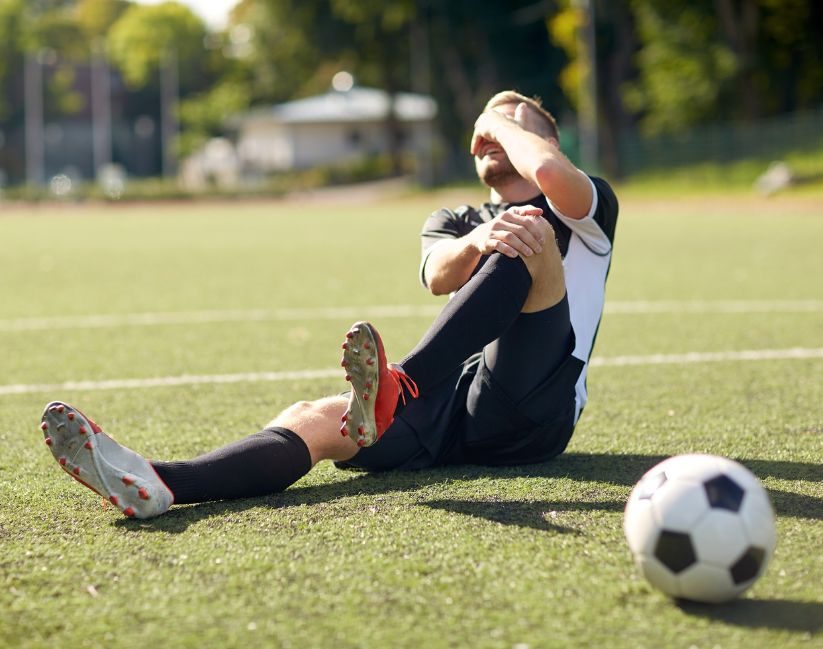
Tennis elbow, medically known as lateral epicondylitis, is a common overuse injury that affects athletes and non-athletes alike. Despite its name, it doesnt just affect tennis playersit can occur in anyone who repeatedly uses their forearm muscles for gripping, lifting, or twisting motions. For athletes, especially those involved in racquet sports, this injury can significantly disrupt training and performance. Sports-specific physiotherapy offers a targeted, effective approach to recovery, enabling athletes to heal fully and return to their sport stronger than before.
What is Tennis Elbow?
Tennis elbow results from repetitive strain on the tendons that attach the forearm muscles to the outside of the elbow. This strain causes microtears, inflammation, and pain around the lateral epicondyle (the bony bump on the outside of the elbow). Symptoms include:
Sharp or burning pain on the outer elbow
Weak grip strength
Difficulty lifting or holding objects
Pain that worsens with wrist extension or forearm rotation
Why Sports-Specific Therapy is Vital for Recovery
Generic treatments like rest and ice may provide temporary relief, but sports-specific therapy addresses the root causes of the injury, ensuring lasting recovery. Physiotherapists use a detailed assessment to identify contributing factors such as muscle imbalances, improper technique, or biomechanical issues, and then design a customized rehabilitation plan.
Key Components of Sports-Specific Therapy for Tennis Elbow
1. Pain and Inflammation Management
In the early stages, physiotherapists use modalities such as ice therapy, ultrasound, and electrical stimulation to reduce inflammation and relieve pain, creating a foundation for rehabilitation.
2. Soft Tissue Mobilization
Manual therapy techniques help break down scar tissue, improve circulation, and restore normal tendon mobility, which is crucial for healing.
3. Progressive Strengthening
Building strength in the forearm muscles is essential to support the tendons and prevent re-injury. Sports-specific therapy includes eccentric strengthening exercises, which involve lengthening the muscle under tensionproven effective for tendon rehabilitation.
4. Flexibility and Stretching
Tightness in the forearm muscles can exacerbate strain on the tendons. Stretching protocols focus on increasing flexibility in the wrist extensors and flexors to relieve tension.
5. Technique and Biomechanics Correction
Many cases of tennis elbow stem from improper technique, whether in a tennis stroke, golf swing, or occupational movement. Physiotherapists analyze movement patterns and provide coaching to correct errors that place excessive stress on the elbow.
6. Functional and Sports-Specific Training
As pain decreases, therapy transitions into sport-specific drills that mimic the athletes movements. This phase retrains neuromuscular control, improves endurance, and prepares the athlete for return to play.
Preventing Tennis Elbow Recurrence
Prevention is a major focus of sports-specific therapy. Athletes learn:
Proper warm-up and cool-down routines
Strengthening exercises to maintain muscular balance
Techniques to avoid overuse and repetitive strain
Use of supportive equipment like braces or taping when needed
Why Choose Professional Physiotherapy in Canada?
Canada has a wealth of skilled physiotherapists trained in managing sports injuries like tennis elbow. Access to personalized, evidence-based care means athletes can recover fully and optimize performance safely.
Conclusion
Tennis elbow can be a frustrating and limiting injury, but with the right sports-specific physiotherapy, recovery is achievable. By focusing on pain relief, strengthening, flexibility, technique correction, and sport-specific rehabilitation, physiotherapy helps athletes return to their sport with confidence and reduced risk of re-injury.
If youre struggling with tennis elbow, seeking expert physiotherapy can make all the difference in healing and regaining your game.