Sports-Specific Physiotherapy for Recovery after Knee Surgery explores targeted strategies for recovery. Discover new paths to mobility, healing, and personalized care.

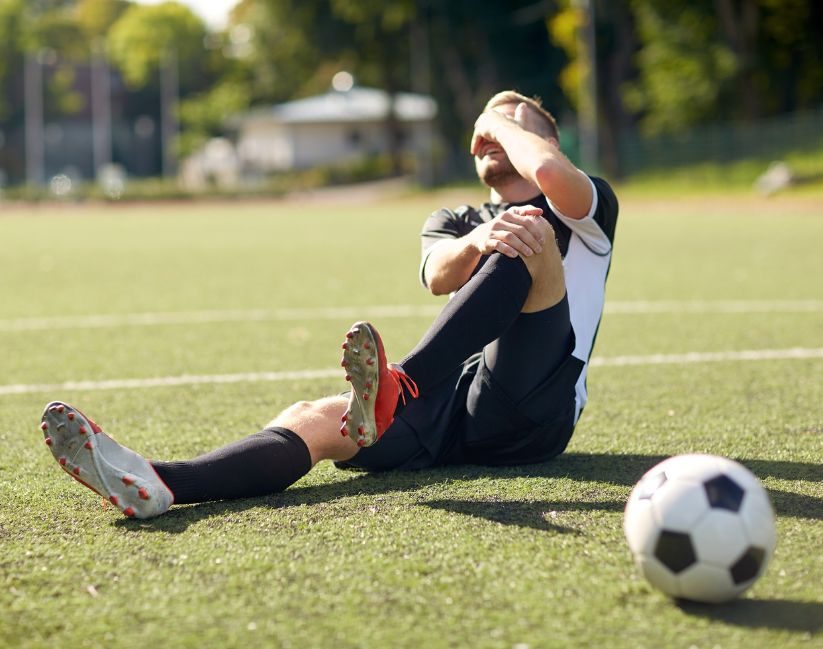
Knee injuries are some of the most challenging setbacks athletes can face, often requiring surgery to repair damaged ligaments, menisci, or cartilage. Whether its an ACL reconstruction, meniscus repair, or total knee replacement, post-surgical recovery is a critical phase that determines the athletes ability to return to their sportand at their previous level of performance.
Sports-specific physiotherapy is a specialized rehabilitation approach that tailors recovery programs to the unique physical demands of an athletes sport and individual goals. This ensures not just healing, but optimal restoration of strength, mobility, and function necessary for competitive performance.
Why Knee Surgery Requires Specialized Rehabilitation
The knee is a complex joint vital for weight-bearing, balance, and a wide range of athletic movements such as running, jumping, pivoting, and sudden direction changes. After surgery, simply regaining basic mobility is not enough for athletes whose sports demand high levels of joint stability, power, and endurance.
Improper or incomplete rehabilitation can lead to persistent weakness, altered movement patterns, and increased risk of re-injury. Sports-specific physiotherapy addresses these issues by focusing on functional recovery aligned with the athletes sport.
Key Phases of Sports-Specific Knee Surgery Rehab
1. Acute Post-Operative Phase
In the immediate weeks after surgery, the focus is on controlling pain and swelling, protecting the surgical site, and regaining passive range of motion. Physiotherapists use gentle mobilization, cryotherapy, and electrical stimulation to facilitate healing.
2. Early Strength and Mobility Restoration
Once inflammation subsides, therapy progresses to active range of motion exercises, muscle activation (especially quadriceps), and light strengthening. The goal is to restore knee extension and flexion without compromising the surgical repair.
3. Intermediate Strengthening and Balance Training
Rehabilitation intensifies with closed kinetic chain exercises like squats, step-ups, and leg presses to build functional strength. Balance and proprioception drills begin to retrain neuromuscular control vital for joint stability.
4. Advanced Functional and Sport-Specific Training
This phase incorporates dynamic exercises mimicking sport-specific movements such as cutting, jumping, sprinting, or pivoting. Plyometrics, agility drills, and endurance training prepare the athlete for real-game scenarios.
5. Return to Sport and Maintenance
Final rehab stages focus on performance optimization, psychological readiness, and injury prevention strategies. Ongoing conditioning and monitoring ensure the athlete maintains gains and reduces future injury risk.
The Role of Sports-Specific Therapy in Different Knee Surgeries
ACL Reconstruction: Focuses on restoring ligament stability and dynamic knee control to handle rapid directional changes and landing impacts common in sports like soccer, basketball, and skiing.
Meniscus Repair: Emphasizes gentle loading progression and mobility restoration to protect healing cartilage while rebuilding strength.
Total Knee Replacement (TKA): For older athletes, sports-specific therapy aids in regaining mobility and function for low-impact activities.
Benefits of Sports-Specific Physiotherapy Post-Knee Surgery
Personalized Rehabilitation: Tailors exercises and progression to the athletes sport, position, and injury severity.
Improved Functional Outcomes: Enhances joint stability, strength, and endurance to meet sport demands.
Reduced Re-Injury Risk: Addresses biomechanical deficits and movement compensations.
Faster, Safer Return to Play: Structured programs ensure readiness both physically and mentally.
Long-Term Joint Health: Prevents chronic pain and arthritis through balanced recovery.
Why Choose Professional Sports Physiotherapy in Canada
Canadian athletes benefit from highly trained physiotherapists who combine the latest evidence-based protocols with understanding of local sport cultures and environments. Clinics offer multidisciplinary support including strength coaches, sport psychologists, and nutritionists to maximize recovery.
Tips for Athletes Recovering from Knee Surgery
Follow your physiotherapists advice strictly to avoid setbacks.
Be patientfull recovery often takes 6-12 months depending on surgery and sport.
Focus on quality of movement rather than speed of progress.
Communicate openly about pain or concerns during rehab.
Engage in complementary therapies like massage or acupuncture as recommended.
Conclusion
Recovering from knee surgery is a demanding journey, especially for athletes eager to return to competition. Sports-specific physiotherapy ensures that rehabilitation is comprehensive, functional, and aligned with the physical demands of the athletes sport. This specialized approach not only restores movement and strength but also rebuilds confidence and reduces future injury risk.
If you or someone you know is recovering from knee surgery, partnering with a sports-specific physiotherapist can transform the recovery process and help you get back in the game stronger and safer than ever.