The Role of Mobility Work in Preventing Sports Injuries for Athletes explores targeted strategies for recovery. Discover new paths to mobility, healing, and personalized care.

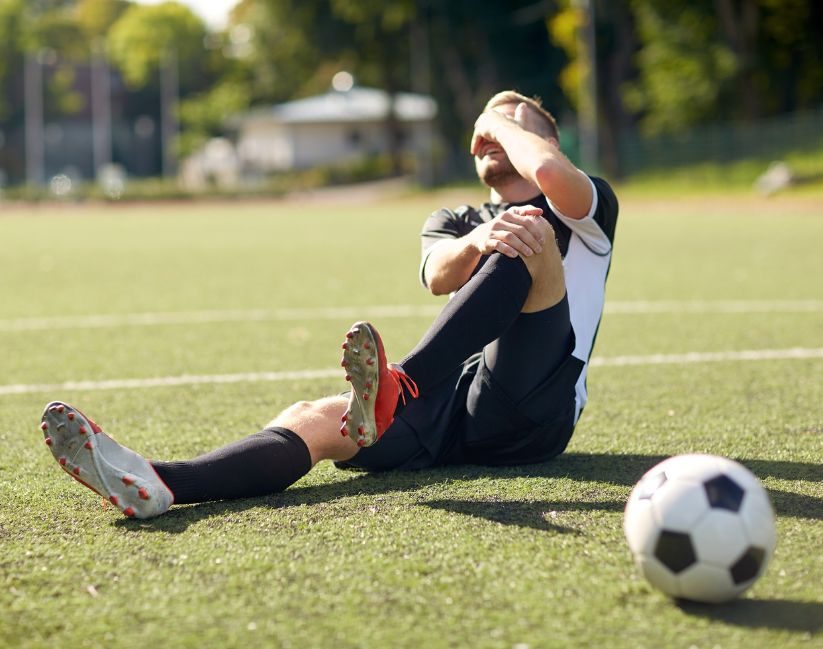
Injuries can sideline even the most dedicated athletes, impacting their performance and long-term health. One of the most effective but often overlooked strategies for injury prevention is mobility work. Mobilitythe ability of joints to move freely through their full range of motionis fundamental to safe, efficient athletic movement. Integrating targeted mobility exercises into training and rehabilitation programs can significantly reduce the risk of sports injuries.
Why Mobility Matters for Athletes
Athletes rely on coordinated, fluid movements that require optimal joint mobility. Limited mobility can force compensations elsewhere in the body, creating abnormal stresses that increase injury risk. For example, tight hips might cause excessive strain on the lower back, while restricted ankle mobility can lead to knee problems.
Good mobility supports:
Proper biomechanics during sport-specific movements
Efficient force production and energy transfer
Reduced joint wear and tear
Enhanced balance and coordination
What is Mobility Work?
Mobility work includes exercises and techniques designed to improve joint range of motion and tissue flexibility while maintaining joint stability. Unlike simple stretching, mobility emphasizes controlled, dynamic movement patterns that prepare the body for functional activity.
How Mobility Work Prevents Sports Injuries
1. Correcting Movement Dysfunctions
Restricted joints or stiff muscles force the body to compensate, leading to overload and injury in other areas. Mobility exercises help restore balanced movement patterns.
2. Enhancing Tissue Resilience
Dynamic mobility work improves the elasticity of muscles, tendons, and ligaments, making them better able to absorb impact and stress without injury.
3. Improving Neuromuscular Control
Mobility drills often challenge balance and coordination, refining the nervous systems ability to control joints during rapid or complex movements.
4. Reducing Overuse Injuries
By promoting joint health and distributing forces evenly, mobility work helps prevent repetitive strain injuries common in sports.
Key Mobility Areas for Athletes
Hips: Crucial for running, jumping, and cutting maneuvers.
Ankles: Support balance and shock absorption.
Thoracic Spine: Allows efficient rotation in sports like golf, tennis, and baseball.
Shoulders: Essential for overhead activities and throwing.
Examples of Mobility Exercises
Hip Circles and Leg Swings: Improve hip joint freedom.
Ankle Dorsiflexion Mobilizations: Enhance ankle flexibility for better squat and sprint mechanics.
Thoracic Rotations: Increase spinal rotation for better upper body movement.
Shoulder Dislocations with Bands: Promote shoulder joint mobility safely.
Integrating Mobility Work into Training and Rehab
Physiotherapists design mobility programs based on the athletes sport, position, and specific limitations. These exercises are often included in warm-ups, cooldowns, or rehabilitation protocols.
Why Canadian Athletes Should Prioritize Mobility
Canadas varied sportsfrom hockey and soccer to rowing and skiingrequire excellent mobility for injury prevention and performance. Access to expert physiotherapists ensures athletes receive personalized mobility training that supports their unique demands.
Conclusion
Mobility work is a cornerstone of injury prevention that enhances athletic performance by restoring joint freedom, improving movement quality, and reducing the risk of overload injuries. Athletes who incorporate targeted mobility exercises into their routines set themselves up for longer, healthier careers.
If you want to stay injury-free and perform at your best, prioritizing mobility training with guidance from a sports physiotherapist is a winning strategy.