How to Treat Patellar Tendonitis in Basketball Players with Physiotherapy explores targeted strategies for recovery. Discover new paths to mobility, healing, and personalized care.

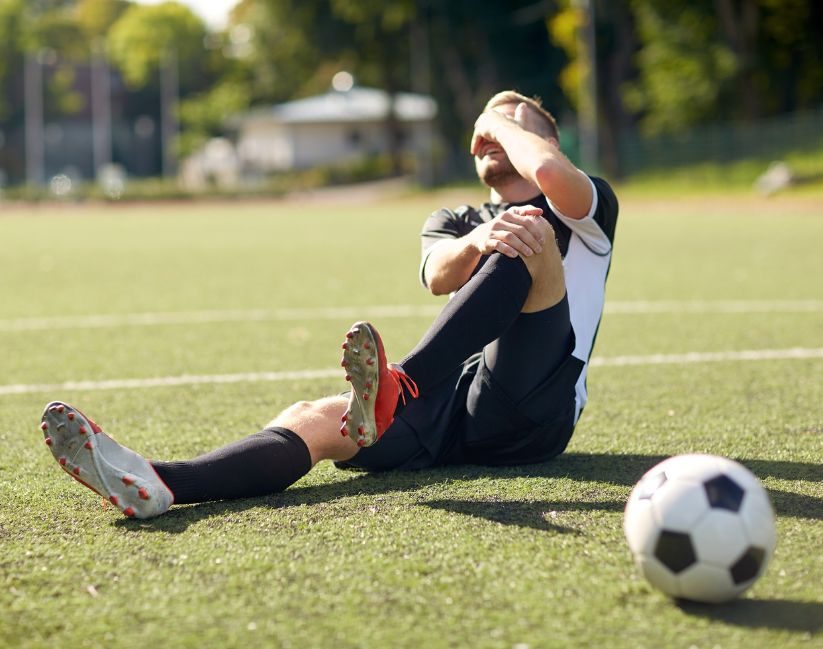
Patellar tendonitis, commonly known as jumpers knee, is a frequent injury among basketball players due to the sports repetitive jumping, quick stops, and rapid changes in direction. This condition involves inflammation or micro-tearing of the patellar tendon, which connects the kneecap to the shinbone. If untreated, it can severely impact performance and sideline players for extended periods. Fortunately, physiotherapy offers effective solutions to treat and manage patellar tendonitis, helping athletes return to the court stronger and pain-free.
Understanding Patellar Tendonitis in Basketball
Basketball demands high-impact actions such as jumping for rebounds, blocking shots, and explosive sprints. These activities place tremendous stress on the patellar tendon, especially if muscles around the knee are weak or tight. Overuse without adequate recovery causes inflammation, pain, and sometimes tendon degeneration.
Signs and Symptoms to Watch For
Persistent pain just below the kneecap, worsening with activity
Swelling or tenderness around the tendon
Difficulty jumping, running, or climbing stairs
Stiffness after rest or prolonged sitting
Early treatment is crucial to prevent chronic issues.
How Physiotherapy Treats Patellar Tendonitis
Physiotherapy addresses the root causes of tendonitis and promotes healing through a comprehensive approach:
1. Pain Management and Inflammation Reduction
Initial physiotherapy focuses on reducing pain and inflammation using modalities like ice therapy, ultrasound, or electrical stimulation. This helps calm symptoms and prepares the tendon for rehabilitation.
2. Restoring Mobility and Flexibility
Tight muscles in the quadriceps, hamstrings, and calves can increase strain on the patellar tendon. Physiotherapists use targeted stretching and joint mobilization to restore flexibility and improve knee movement.
3. Strengthening Surrounding Muscles
Weakness in the quadriceps, especially the vastus medialis oblique (VMO), can worsen tendon stress. A progressive strengthening program focuses on these muscles to provide better support and reduce load on the tendon.
4. Eccentric Training
One of the most effective treatments for patellar tendonitis is eccentric exercises, where the muscle lengthens under tension. For basketball players, this means controlled lowering movements like slow decline squats, which stimulate tendon healing and increase its load capacity.
5. Biomechanical and Movement Analysis
Physiotherapists assess jumping and landing mechanics to identify poor technique contributing to tendon stress. Correcting these movement patterns reduces future injury risk.
6. Gradual Return to Sport
A key part of therapy is safely reintroducing basketball activities. This includes plyometric drills, agility training, and sport-specific exercises to prepare the knee for the demands of the game.
Prevention Tips for Basketball Players
Warm up properly before games and practices
Incorporate strength and flexibility training regularly
Use proper jumping and landing techniques
Avoid sudden increases in training intensity
Listen to your body and rest when needed
Conclusion
Patellar tendonitis can be a frustrating setback for basketball players, but with the right physiotherapy treatment, full recovery is achievable. By reducing pain, improving flexibility, strengthening key muscles, and correcting biomechanics, physiotherapy helps players get back to peak performance while minimizing the chance of recurrence. If youre experiencing knee pain on the court, seeking expert physiotherapy care early can make all the difference in your basketball journey.