Understanding the Role of Sports-Specific Therapy in Preventing ACL Injuries explores targeted strategies for recovery. Discover new paths to mobility, healing, and personalized care.

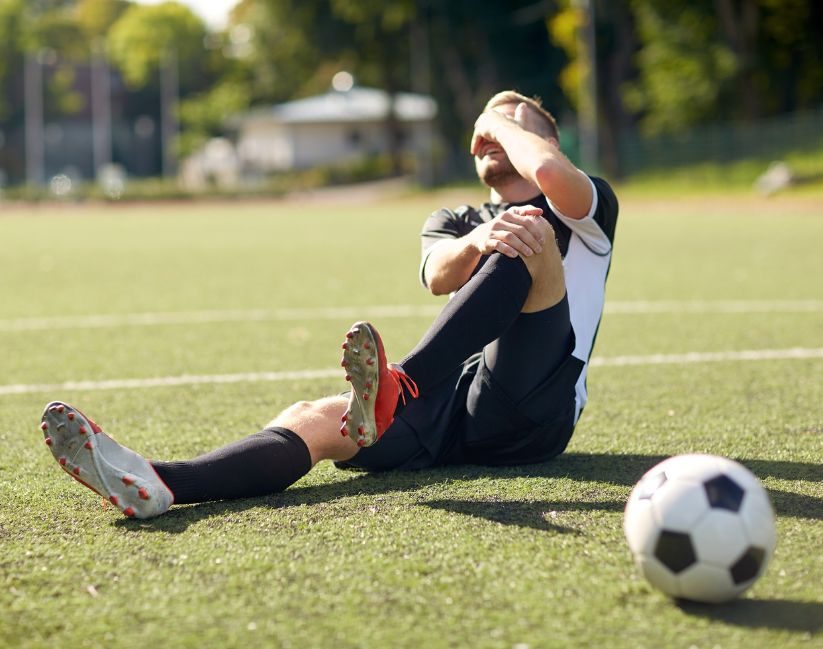
Anterior cruciate ligament (ACL) injuries are among the most serious and common injuries in athletes, especially those involved in sports requiring sudden stops, pivots, and changes of direction, like soccer, basketball, and skiing. An ACL tear can sideline an athlete for months, sometimes ending careers prematurely if not managed properly. Fortunately, sports-specific therapy plays a crucial role not only in rehabilitation but also in preventing these debilitating injuries.
Why Are ACL Injuries So Common?
The ACL stabilizes the knee during dynamic activities. However, rapid deceleration, awkward landings, or twisting motions can overload this ligament. Female athletes are statistically at higher risk due to anatomical and hormonal differences, but anyone can be affected without proper conditioning and technique.
How Sports-Specific Therapy Helps Prevent ACL Injuries
1. Identifying Risk Factors
Physiotherapists assess an athletes movement patterns, muscle strength, and joint stability to identify risk factors such as:
Muscle imbalances (e.g., weak hamstrings vs. quadriceps)
Poor neuromuscular control and balance
Inadequate hip and core stability
Faulty landing and cutting mechanics
Early identification is key to targeted prevention.
2. Strengthening and Conditioning
Programs focus on building strength in the hamstrings, glutes, and core to stabilize the knee and pelvis. Balanced strength helps reduce the stress on the ACL during dynamic movements.
3. Neuromuscular Training
Athletes undergo exercises to improve proprioception, balance, and reaction times. Drills include balance boards, single-leg squats, and agility exercises designed to retrain safe movement patterns.
4. Technique Correction
Many ACL injuries occur during improper landings or sudden direction changes. Sports-specific therapy works closely with coaches to teach athletes how to land softly, align knees properly, and avoid risky positions.
5. Flexibility and Mobility
Maintaining hip and ankle mobility allows better force absorption and control, reducing the load on the knee joint.
The Role of Sports-Specific Therapy After ACL Injury
If an injury does occur, physiotherapy guides the athlete through a rigorous rehab process that emphasizes regaining full strength, mobility, and confidence before returning to sport.
Conclusion
Preventing ACL injuries requires a proactive, science-backed approach, and sports-specific therapy delivers just that. By identifying individual risk factors, strengthening key muscles, improving neuromuscular control, and refining technique, physiotherapy empowers athletes to protect their knees and perform safely. Whether youre a coach, athlete, or parent, investing in sports-specific therapy can be the best defense against the career-altering impact of ACL injuries.