How to Overcome Rotator Cuff Injuries in Athletes with Physiotherapy explores targeted strategies for recovery. Discover new paths to mobility, healing, and personalized care.

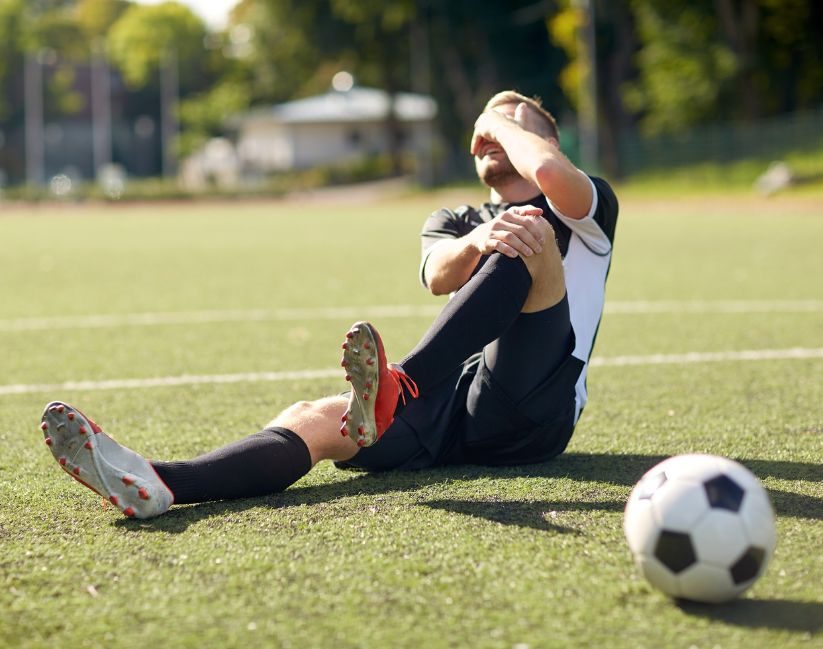
Rotator cuff injuries are among the most common and frustrating issues athletes face, especially those engaged in sports requiring overhead movements like tennis, baseball, swimming, and volleyball. The rotator cuffa group of four muscles and tendons that stabilize and move the shoulderis vital for shoulder strength, stability, and mobility. When injured, it can severely limit performance, cause pain, and threaten athletic careers. Fortunately, physiotherapy offers a comprehensive, effective approach to overcoming rotator cuff injuries, enabling athletes to recover fully and return to their peak.
Understanding the Rotator Cuff and Its Injuries
The rotator cuff consists of four muscles: supraspinatus, infraspinatus, teres minor, and subscapularis. These muscles work together to keep the shoulder joint stable while allowing a wide range of motion. Injuries can range from inflammation and tendinitis to partial or full-thickness tendon tears.
Athletes frequently sustain rotator cuff injuries through:
Overuse: Repetitive overhead motions cause inflammation and microtears, common in swimmers, pitchers, and tennis players.
Acute Trauma: Falls or sudden heavy lifting can cause tears or strains.
Poor Biomechanics: Faulty movement patterns increase stress on the rotator cuff tendons.
Muscle Imbalance and Weakness: Weak stabilizers force the rotator cuff to overcompensate, leading to injury.
Symptoms typically include shoulder pain (especially with overhead activity), weakness, reduced range of motion, and sometimes a clicking or popping sensation.
Why Physiotherapy is Key to Recovery
Rotator cuff injuries can be complex and easily aggravated without proper care. Physiotherapy provides a structured, evidence-based rehabilitation pathway that addresses pain, restores function, and strengthens the shoulder for long-term resilience.
Physiotherapists assess the injury severity, movement dysfunction, and contributing factors, then design personalized treatment plans. Unlike passive approaches, physiotherapy emphasizes active rehabilitation, empowering athletes to rebuild strength and control.
Phases of Physiotherapy for Rotator Cuff Injuries
1. Acute Phase: Pain and Inflammation Management
The initial focus is to reduce pain and inflammation, which may involve:
Rest and Activity Modification: Avoiding movements that worsen symptoms.
Manual Therapy: Techniques such as gentle massage or myofascial release to ease muscle tension.
Modalities: Ultrasound, ice, or electrical stimulation to decrease inflammation.
Pain Education: Teaching athletes about pain management and protecting the shoulder without complete immobilization.
Maintaining some level of movement within pain-free ranges prevents stiffness and promotes circulation.
2. Recovery Phase: Regaining Mobility
Once pain subsides, physiotherapists focus on restoring shoulder range of motion (ROM):
Passive and Active-Assisted Exercises: Gradually moving the shoulder to improve flexibility.
Stretching Tight Structures: Targeting the posterior capsule, pectoral muscles, and other tight areas.
Joint Mobilizations: Performed by the therapist to increase shoulder joint play.
The goal is to regain functional mobility without aggravating the injury.
3. Strengthening Phase: Building Stability and Power
Rebuilding rotator cuff strength and shoulder stability is critical for preventing re-injury. The physiotherapy program will include:
Isometric Exercises: Gentle muscle contractions without joint movement to start strengthening safely.
Progressive Resistance Training: Using bands, weights, or bodyweight to strengthen the rotator cuff and scapular stabilizers.
Neuromuscular Control Drills: Improving muscle coordination and joint position sense.
Functional Movement Training: Incorporating sport-specific movements to prepare for real athletic demands.
Physiotherapists closely monitor technique to ensure safe progression and avoid compensations.
4. Return to Sport Phase: Performance Optimization
As athletes improve strength and control, therapy advances to:
Plyometric and Dynamic Exercises: For power and explosiveness.
Sport-Specific Drills: Mimicking overhead motions, throwing, or hitting.
Endurance Training: To sustain performance during extended activity.
Injury Prevention Strategies: Teaching proper warm-up, cool-down, and technique adjustments.
This phase ensures the shoulder is robust enough to handle the stresses of competition.
Common Physiotherapy Techniques for Rotator Cuff Injuries
Scapular Stabilization Exercises: Strengthening the muscles around the shoulder blade improves overall shoulder mechanics.
Postural Correction: Poor posture contributes to impingement and tendon stress; therapy includes exercises and ergonomic advice.
Manual Therapy: Soft tissue mobilization and joint manipulation to reduce pain and improve movement.
Dry Needling or Acupuncture: Sometimes used for pain relief and muscle relaxation.
Taping and Bracing: Supportive taping can reduce strain during activities.
Preventing Rotator Cuff Injuries in Athletes
Physiotherapy is not only about rehabilitation but also about prevention. Strategies include:
Regular Strength and Flexibility Training: Maintaining balanced shoulder muscles and adequate range of motion.
Technique Refinement: Working with coaches and physiotherapists to optimize sport-specific movements.
Load Management: Avoiding sudden increases in training volume or intensity.
Warm-Up and Cool-Down: Proper routines to prepare the muscles and aid recovery.
Early Symptom Recognition: Educating athletes to report pain early before injuries worsen.
When Surgery May Be Necessary
While many rotator cuff injuries respond well to physiotherapy, some casesparticularly full-thickness tears or injuries unresponsive to conservative caremay require surgical repair. Post-surgery, physiotherapy is vital for restoring mobility, strength, and function.
The Psychological Benefits of Physiotherapy
Rotator cuff injuries can be mentally taxing due to pain and time away from sport. Physiotherapists offer emotional support, goal-setting, and motivation throughout recovery, helping athletes maintain a positive mindset.
Real-Life Impact: Success Stories from the Field
Many elite athletes have overcome rotator cuff injuries through diligent physiotherapy. Their recoveries highlight the importance of personalized rehab, patience, and comprehensive care.
Conclusion: Overcoming Rotator Cuff Injuries with Confidence and Care
Rotator cuff injuries can be daunting, but with expert physiotherapy, athletes can recover fully and often come back stronger. A structured rehab plan addressing pain, mobility, strength, and technique ensures not only healing but enhanced shoulder resilience. Whether youre a weekend warrior or a professional athlete, investing in sports-specific physiotherapy is your best strategy to overcome rotator cuff injuries and return to peak performance.