Recovery Strategies for Athletes explores targeted strategies for recovery. Discover new paths to mobility, healing, and personalized care.

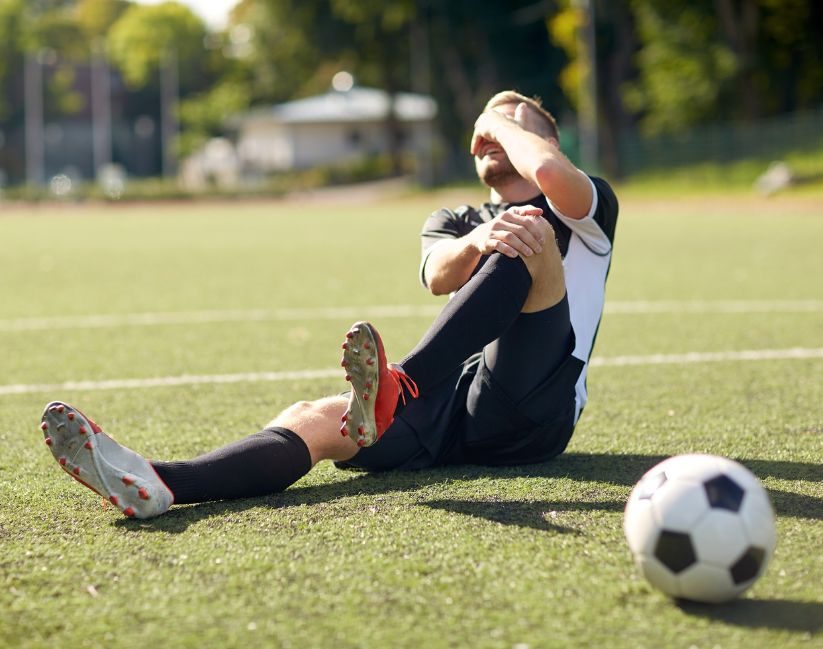
Athletes, whether professional or recreational, continuously push their bodies to the limit. Intense training, competitions, and repetitive movements place a significant physical demand on muscles, joints, and connective tissues. While the thrill of competition and the pursuit of peak performance are motivating, they come with an inherent risk of injury. The key to sustaining a long and successful athletic career lies not only in training hard but also in recovering smart.
Sports-specific therapy is an increasingly popular approach in the world of athletic recovery and injury prevention. Tailored to the particular demands of each sport, this form of therapy offers customized strategies that enhance healing, optimize performance, and prevent future injuries. In this blog, well explore the essential recovery strategies for athletes, emphasizing the role of sports-specific therapy in promoting effective recovery and injury prevention.
Why Recovery Matters for Athletes
Athletic recovery is much more than simply resting after physical exertion. It involves a combination of interventions and practices that help repair muscle tissue, reduce inflammation, restore energy stores, and improve overall functional capacity. Without adequate recovery, athletes are at risk of overtraining syndrome, chronic injuries, and declining performance.
Common symptoms of insufficient recovery include prolonged muscle soreness, fatigue, decreased coordination, irritability, and an increased likelihood of injury. Incorporating intentional recovery strategies can mitigate these risks and keep athletes performing consistently at their best.
What Is Sports-Specific Therapy?
Sports-specific therapy is a specialized form of physiotherapy and rehabilitation tailored to the unique physical requirements and injury risks of a particular sport. Unlike generalized therapy programs, sports-specific therapy addresses movement patterns, muscle groups, and injury mechanisms most relevant to the athletes discipline.
For example, a soccer players therapy will focus on explosive leg power, balance, and ankle stability, while a swimmers program may prioritize shoulder mobility and core strength. This customized approach not only accelerates recovery but also improves functional performance by targeting the exact demands of the sport.
Core Components of Recovery Strategies with Sports-Specific Therapy
Individualized Assessment and Evaluation
Every athletes body responds differently to training and injury. A comprehensive assessment by a qualified sports physiotherapist evaluates biomechanics, strength imbalances, flexibility, and injury history. This initial evaluation lays the foundation for creating a personalized recovery plan.
Targeted Rehabilitation Exercises
Post-injury or post-training, therapy involves exercises that restore strength, mobility, and coordination. These exercises are carefully selected based on the sports physical demands. For instance, a basketball player might focus on knee stability and agility drills, while a cyclist may emphasize hip and core strengthening.
Manual Therapy Techniques
Hands-on treatments such as massage, joint mobilization, and myofascial release help reduce muscle tension, improve circulation, and restore tissue elasticity. These therapies complement exercise programs by enhancing healing and reducing pain.
Neuromuscular Re-education
Athletes recovering from injury often need to retrain their nervous system to perform coordinated movements effectively. Sports-specific therapy incorporates neuromuscular drills that simulate sport-specific skills, improving motor control and reducing reinjury risk.
Load Management and Gradual Return to Play
Careful monitoring of training intensity and volume is crucial during recovery. Sports-specific therapists help athletes gradually reintroduce sport activities, balancing progression with tissue healing to prevent setbacks.
Incorporation of Recovery Modalities
Various adjunct recovery methods such as cryotherapy, hydrotherapy, electrical stimulation, and compression therapy can be integrated into the plan to accelerate healing and reduce inflammation.
Injury Prevention Through Sports-Specific Therapy
Beyond rehabilitation, sports-specific therapy is instrumental in injury prevention. By understanding the unique biomechanical stresses and common injury patterns within each sport, therapists design preventative programs that address risk factors before injuries occur.
These prevention programs often include:
Strength and Conditioning: Building muscle strength in key areas reduces joint stress and enhances stability.
Flexibility Training: Maintaining muscle elasticity prevents strains and tears.
Technique Correction: Improving sport-specific skills minimizes harmful movement patterns.
Balance and Proprioception Training: Enhancing body awareness helps athletes avoid awkward landings and movements.
Education on Recovery and Load Management: Teaching athletes to listen to their bodies and manage training intensity wisely.
Practical Recovery Tips for Athletes
To complement sports-specific therapy, athletes can adopt practical recovery habits that boost healing and performance:
Prioritize Sleep: Quality sleep is essential for muscle repair and hormonal balance.
Nutrition and Hydration: Adequate protein intake and hydration support tissue regeneration.
Active Recovery: Low-intensity activities such as walking, swimming, or yoga promote blood flow without adding strain.
Mental Health Care: Stress reduction techniques and mental relaxation support overall recovery.
Regular Physiotherapy Check-Ins: Periodic assessments help catch minor issues before they become serious.
Real-Life Impact: How Sports-Specific Therapy Enhances Recovery
Consider an elite runner recovering from a hamstring strain. Instead of generic therapy, their sports-specific physiotherapist designs exercises that mimic sprinting mechanics while gradually rebuilding hamstring strength and flexibility. Manual therapy reduces scar tissue, and neuromuscular drills restore running coordination. By the time the athlete returns to competition, they are not only healed but also stronger and better equipped to prevent future injury.
Similarly, a hockey player recovering from a shoulder injury benefits from a therapy plan focused on rotator cuff strengthening and sport-specific movement drills that replicate shooting and checking motions. This approach accelerates recovery and reduces the chance of recurrent injuries.
Why Choose Your Forms UX Canada for Sports-Specific Therapy?
At Your Forms UX Canada, we understand the unique needs of athletes across all sports. Our team of expert physiotherapists offers personalized, evidence-based sports-specific therapy programs designed to help athletes recover faster, prevent injuries, and maximize performance. With a focus on hands-on care, advanced rehabilitation techniques, and thorough education, we empower athletes to take control of their health and athletic journey.
Whether youre recovering from an injury or looking to optimize your training routine, our tailored therapy solutions provide the support you need to excel.
Final Thoughts
Athletic recovery is an essential component of any training program, and sports-specific therapy offers a targeted, effective approach to both rehabilitation and injury prevention. By focusing on the demands of the particular sport, these specialized therapies ensure that athletes recover fully and safely, reducing downtime and enhancing future performance.
Investing in smart recovery strategies today means fewer injuries tomorrowand a stronger, more resilient athletic career.