How Physiotherapy Supports the Artistic Needs of Performers explores targeted strategies for recovery. Discover new paths to mobility, healing, and personalized care.

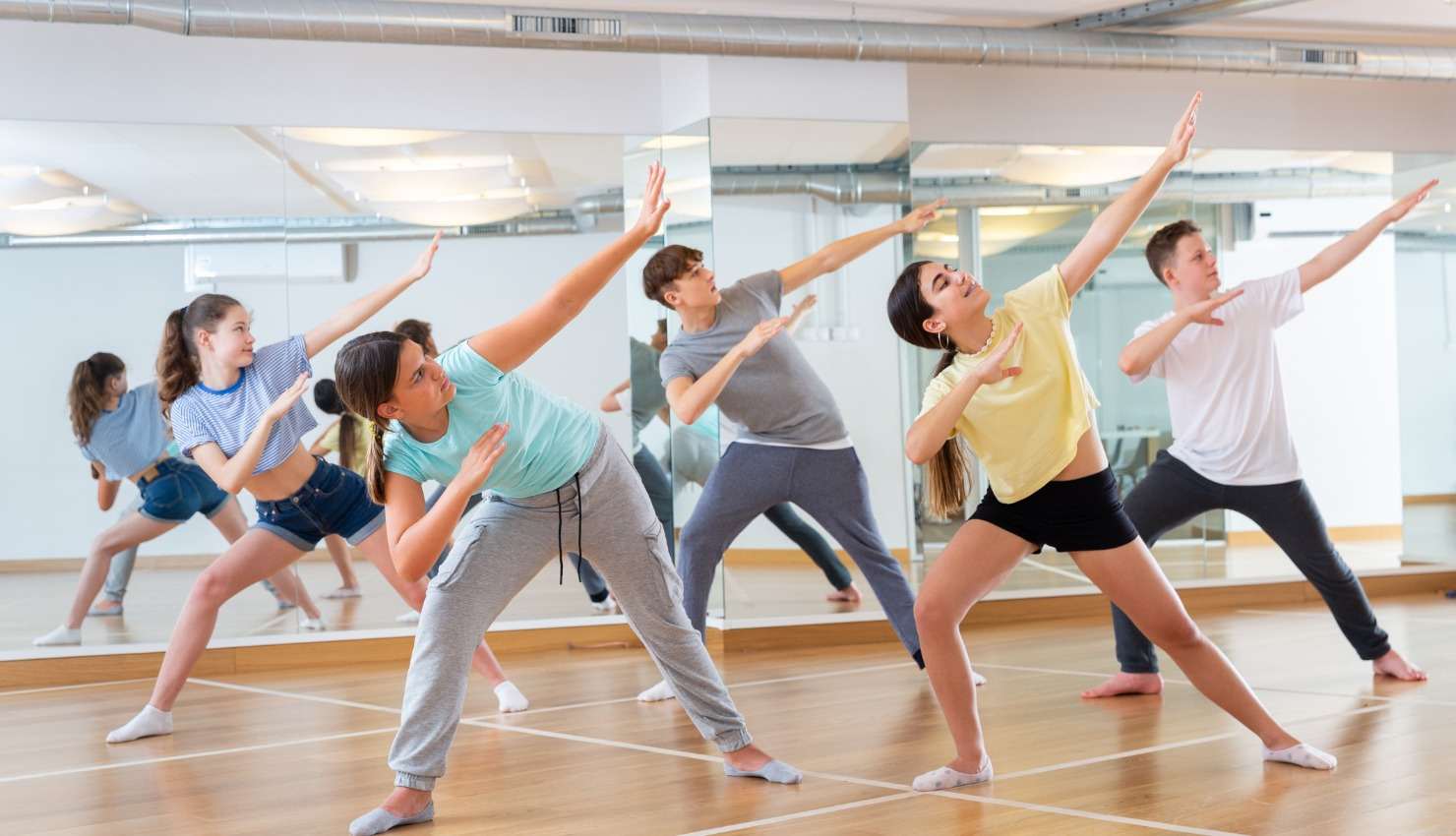
Performing artistsdancers, musicians, actors, and acrobatsare unique in the demands they place on their bodies. Unlike traditional athletes, performers must blend artistic expression with technical precision, often pushing physical boundaries to convey emotion and story. Behind this artistry, physiotherapy plays a vital role not only in injury care, but in enhancing the creative and functional needs of each performer.
Heres how physiotherapy supports the artistic journey of performers:
1. Tailored Care for Performance-Specific Demands
Each art form comes with its own physical challenges. A ballet dancer may struggle with ankle instability; a violinist may face neck and shoulder tension; a stage actor may develop voice-related postural strain. Physiotherapists trained in performing arts medicine understand these nuances and provide individualized care.
? Benefit: Addresses the exact physical stressors related to performance technique.
2. Facilitating Freedom of Movement
Performers rely on fluid, expressive movement to communicate with their audience. Stiffness, joint restrictions, or muscle imbalances can limit artistic range. Physiotherapy focuses on improving mobility, flexibility, and coordination, allowing performers to move with freedom and confidence.
? Benefit: Enhances emotional and physical expression on stage.
3. Supporting Endurance and Stamina
Stage performances and rehearsals are physically taxing and often prolonged. Physiotherapists implement conditioning programs to increase endurance, muscular control, and postureensuring performers can meet the demands of lengthy performances without fatigue affecting their craft.
? Benefit: Maintains performance quality from start to finish.
4. Injury Prevention without Compromising Creativity
Performers often push past pain or limitations for the sake of expression. Physiotherapy offers strategies to balance creativity with safety, using movement analysis, posture correction, and strength training to prevent injuries without restricting artistry.
? Benefit: Supports long-term career sustainability without limiting creative choices.
5. Enhancing Body Awareness and Movement Quality
Through manual therapy and neuromuscular re-education, physiotherapy sharpens proprioception and control. Performers gain a deeper understanding of how their bodies move, improving the nuance and precision of gestures, transitions, and positioning.
? Benefit: Refines technical execution and on-stage presence.
6. Mental and Emotional Support
The emotional toll of performancestress, perfectionism, injury anxietycan affect both health and creativity. Physiotherapy sessions often include educational guidance and emotional reassurance, helping performers reconnect with their bodies and reduce performance-related stress.
? Benefit: Builds trust in the body and boosts emotional resilience.
7. Facilitating Safe Return to Performance
After an injury, returning to stage can be daunting. Physiotherapists design gradual return-to-performance programs, often integrating rehearsal movements and artistic elements into rehab. This approach helps rebuild strength, timing, and confidence.
? Benefit: Ensures a smooth transition back to the demands of live performance.