How to Use Physiotherapy to Boost Your Dance Endurance explores targeted strategies for recovery. Discover new paths to mobility, healing, and personalized care.

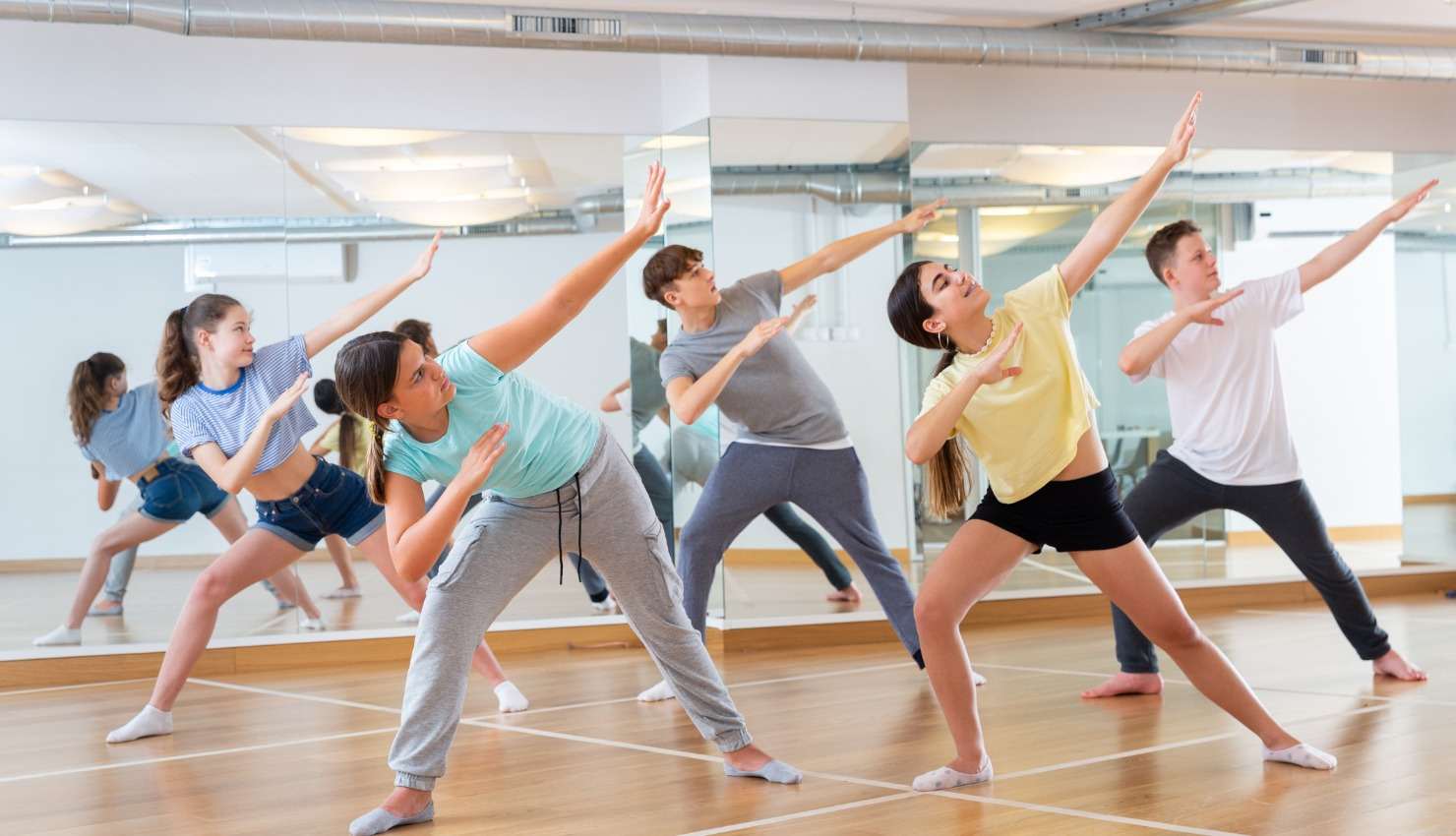
Dance endurance isnt just about surviving long rehearsals or performancesits about sustaining energy, power, precision, and artistry from the first step to the last. While many dancers focus on cardio or conditioning to build stamina, physiotherapy offers a targeted, science-based approach to enhancing endurance without overtraining or injury.
Lets explore how physiotherapy can be your secret weapon for lasting energy, injury resilience, and top-tier performance.
?? What is Dance Endurance?
Dance endurance is the ability to perform repeated or sustained movements with:
Consistent technique
Minimal fatigue
Efficient energy use
Injury prevention
It includes:
Muscular endurance (e.g., repeated jumps, holds, extensions)
Cardiovascular endurance (e.g., long routines, fast tempo)
Neuromuscular endurance (e.g., maintaining posture, control, and timing)
?? How Physiotherapy Can Improve Dance Endurance
?? 1. Movement Efficiency Analysis
Physiotherapists assess how you move and identify energy leaks, such as:
Poor alignment
Overcompensation by the wrong muscle groups
Muscle imbalances
Breathing inefficiencies
?? Why it helps: Fixing these issues allows you to move more economicallywasting less energy and dancing longer without fatigue.
?? 2. Neuromuscular Re-education
Physiotherapists retrain your muscles to fire in the right sequence with proper timing and control, using:
Balance and proprioception drills
Functional core training
Postural corrections during movement
?? Why it helps: Improves muscular coordination and reduces fatigue from inefficient movement patterns.
?? 3. Endurance-Based Strength Training
Muscle fatigue is one of the fastest ways to lose technique on stage. Physiotherapists prescribe low-load, high-rep strength exercises to build:
Postural endurance (core, back, neck)
Lower-body endurance (glutes, quads, calves)
Foot and ankle resilience
? Sample: 3 sets of 1520 reps with moderate resistance
?? Why it helps: Supports long-term performance without early muscle breakdown.
?? 4. Cardiorespiratory Conditioning with a Dance-Specific Focus
Many dancers avoid traditional cardio. Physiotherapists integrate dance-relevant cardio that builds endurance without bulking or burnout.
? Examples:
Circuit training with dance steps
Interval training with leaps, turns, and pliés
HIIT with movement patterns and rest ratios specific to your dance style
?? Why it helps: Improves oxygen delivery, allowing you to dance harder, longer, and recover faster.
?? 5. Recovery and Load Management
Fatigue builds over time if you dont recover properly. Physiotherapists create recovery plans using:
Active recovery (gentle movement, mobility)
Soft tissue therapy (foam rolling, massage)
Load tracking (adjusting weekly hours of dance)
Cross-training strategies (Pilates, swimming, yoga)
?? Why it helps: Keeps your body in balance and prevents chronic fatigue or overuse injuries.
?? 6. Breath Training and Core Integration
Breath control isnt just for singersit supports endurance too.
? Physiotherapists teach:
Diaphragmatic breathing for better oxygen exchange
Coordination of breath with movement
Core activation through breath (intra-abdominal pressure)
?? Why it helps: Delays fatigue and improves performance during physically demanding routines.
?? Sample Physiotherapy-Endorsed Dance Endurance Plan
Component Focus Frequency
Movement Screen Find inefficiencies Every 36 months
Endurance Strength Training Build muscle stamina 23x/week
Dance-Specific Cardio Improve aerobic power 2x/week
Balance/Control Drills Neuromuscular endurance 1015 min/day
Recovery Protocol Restore energy and prevent injury Daily
?? Common Endurance Mistakes in Dancers
? Relying only on dance classes for stamina
? Skipping strength work (especially for smaller stabilizers)
? Ignoring postural fatigue until pain occurs
? Not modifying load during injury or illness
? Bonus Tips to Maximize Endurance with Physio Support
Add physiotherapy check-ins before show season
Use sports taping or bracing to support fatigued joints during long shows
Integrate ankle and foot endurance work (often neglected)
Dont overlook mental fatiguecombine physiotherapy with mindfulness training or performance psychology
?? Conclusion
Dance endurance isnt just about pushing harderits about moving smarter. Physiotherapy helps dancers build stamina by improving movement quality, muscular resilience, and recovery processes. Whether you’re dancing full-length ballets, competing in multiple routines, or rehearsing for hours, physiotherapy can sustain your strength, artistry, and energy from warm-up to curtain call.