Why Every Dance School Should Have a Physiotherapist on Staff explores targeted strategies for recovery. Discover new paths to mobility, healing, and personalized care.

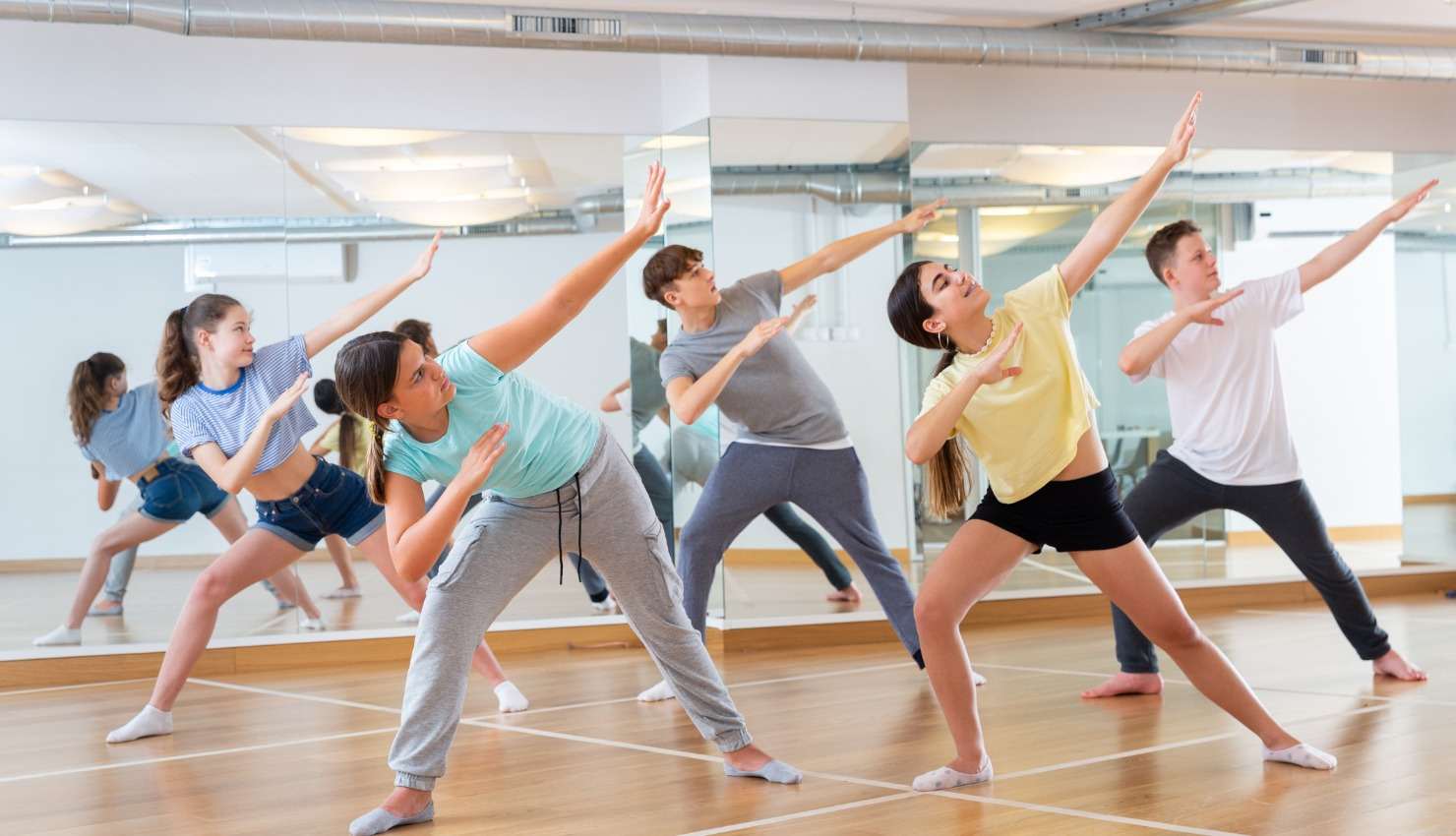
Dance is an art, but its also an elite physical activity that involves:
Explosive power
Precision and control
Extreme ranges of motion
High-frequency repetition
Emotional and mental intensity
Without appropriate medical and biomechanical support, the risk of injury, burnout, or long-term damage is high especially in growing bodies or pre-professional dancers pushing their limits.
?? What a Physiotherapist Brings to a Dance School
1. ??? Early Injury Detection and Prevention
Dancers often hide or ignore minor discomforts that can turn into major injuries. A physiotherapist can:
Assess postural or movement dysfunctions
Spot weaknesses or imbalances
Provide corrective interventions before injury strikes
?? Prevention is far cheaper (and faster) than treatment.
2. ?? Screening and Monitoring Dancer Development
Physiotherapists offer periodic movement screenings to:
Track flexibility, strength, and growth-related changes
Modify technique or load for dancers going through puberty
Adapt training plans to avoid growth plate stress, scoliosis, or overuse injuries
This is crucial for youth dancers in high-intensity programs.
3. ??? Injury Rehabilitation Without Performance Gaps
On-staff physios:
Design safe return-to-dance protocols
Coordinate with instructors for gradual reintegration
Modify movements to allow continued participation during rehab
Reduce downtime and re-injury risk through supervised care
?? This ensures dancers dont fall behind while healing.
4. ?? Technique Refinement Through Biomechanics
Physiotherapists analyze movement through a clinical lens. They help dancers:
Improve turnout without over-rotating
Achieve splits safely without hip compression
Strengthen alignment for better balance and control
Reduce compensation patterns (e.g., arching the back to lift the leg)
They can work side-by-side with teachers to translate corrections into the dancers body safely.
5. ?? Mental and Emotional Support During Setbacks
Being injured is not just physical it affects a dancers identity. Having a physiotherapist on-site helps:
Normalize injury recovery as part of training
Reduce fear and anxiety about movement
Foster confidence in the bodys ability to heal
A supportive presence helps students feel seen, heard, and cared for.
?? Educational Role: Teaching Students How to Care for Their Bodies
Physios can host workshops on:
Warming up and cooling down properly
Managing pain versus injury
Nutrition and hydration for muscle function
Self-massage and foam rolling
Foot care and injury red flags
This knowledge empowers dancers to take control of their own physical health a lifelong skill.
?? A Win for Schools, Too
Benefit Impact
Fewer injuries Less missed classes, higher retention
Healthier dancers Better performances, fewer dropouts
Safer environment Enhanced reputation and parental trust
Competitive edge Attracts serious dancers and families
Integrated care Collaboration between teachers and medical professionals
? Final Thoughts: Dance Needs Medical Integration
You wouldnt send a gymnast or athlete into elite training without medical oversight why should it be different for dancers?