The Essential Role of Physiotherapy in Dance Injury Prevention explores targeted strategies for recovery. Discover new paths to mobility, healing, and personalized care.

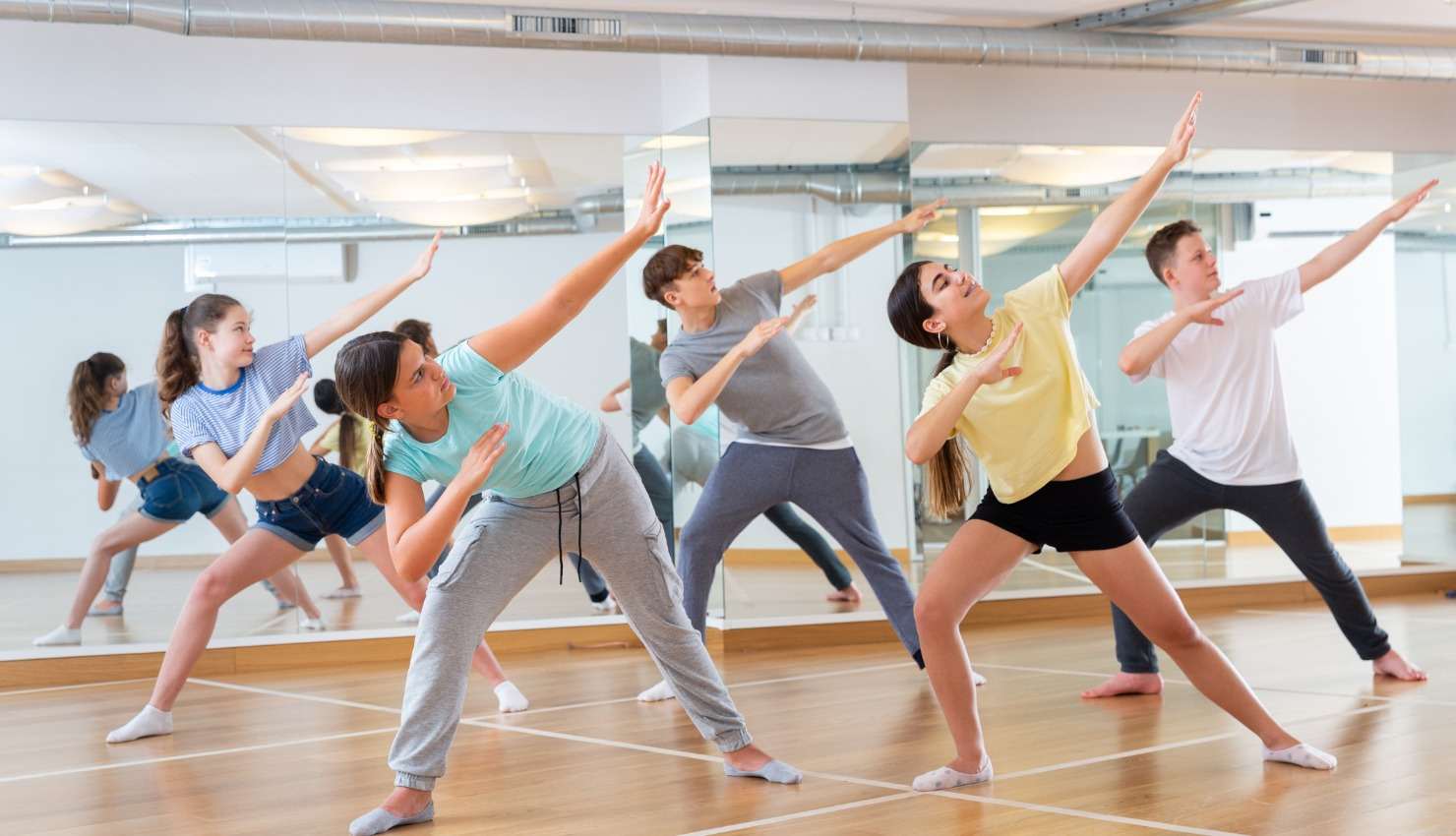
Unlike many athletes, dancers dont just train seasonally they often perform and rehearse year-round. This constant strain on the body increases the risk of:
Overuse injuries (like tendinopathy, stress fractures)
Joint instability (particularly knees, ankles, and hips)
Muscle imbalances from asymmetrical movement patterns
Fatigue-related injuries during long rehearsals or tours
?? Common dance injuries include ankle sprains, Achilles tendonitis, shin splints, hip impingement, and lumbar strain.
?? How Physiotherapy Prevents Dance Injuries
? 1. Early Detection of Imbalances and Dysfunction
Physiotherapists are trained to assess:
Postural alignment
Joint mobility
Muscle strength and activation
Gait and landing mechanics
?? Identifying even subtle dysfunctions like a tight hip or a weak glute allows for early correction before they lead to injury.
? 2. Customized Strength and Conditioning
Injury prevention is rooted in having a body that can withstand the physical demands of dance. Physios design tailored conditioning programs that focus on:
Core and pelvic stability
Glute and hamstring strength
Ankle and foot resilience
Shoulder and back support (especially for aerial or contemporary dancers)
?????? These programs improve joint control, reduce fatigue, and protect vulnerable areas.
? 3. Technique Correction and Education
Poor technique is one of the leading causes of chronic injury in dancers. Physiotherapists often work alongside dance teachers to:
Reinforce correct turnout from the hips (not the knees)
Encourage safe landings and plié mechanics
Monitor foot alignment during relevés and jumps
Adjust posture and spinal load in partnering or lifts
?? Educated dancers make safer, more mindful choices in movement.
? 4. Mobility and Flexibility Optimization
Tight or restricted muscles can limit range of motion and place strain on nearby joints. Physios use:
Manual therapy (e.g., joint mobilization, soft tissue release)
Stretching routines tailored to dance demands
Neurodynamic techniques to improve nerve mobility
?? Flexibility training through physiotherapy supports healthy movement patterns, not just extreme range.
? 5. Load Management and Recovery Planning
Dancers often push through pain or overwork due to performance schedules. Physiotherapists guide dancers in:
Managing rehearsal volume and intensity
Recognizing signs of overtraining and burnout
Structuring rest days, cross-training, and active recovery
Implementing recovery tools like foam rolling, contrast therapy, or kinesio taping
?? Strategic load management prevents injuries caused by cumulative fatigue.
?? A Sample Injury Prevention Program for Dancers (Physio-Guided)
Component Purpose Example
Dynamic Warm-Up Prepares joints/muscles Leg swings, lunges, theraband work
Core Stability Controls pelvic alignment Dead bugs, side planks, bird-dogs
Glute Activation Supports knees and turnout Clamshells, bridges, resistance walks
Ankle/Foot Strength Prevents sprains/fatigue Calf raises, toe doming, balance drills
Flexibility Work Maintains healthy mobility Hip flexor and hamstring stretches
?? Physios update programs based on the dancers growth, schedule, and performance demands.
?? Dancers Who Benefit Most from Preventive Physiotherapy
Pre-professional students: To build proper movement patterns early
Full-time professionals: To handle high performance loads
Injury-prone individuals: To address underlying weaknesses
Touring dancers: To stay consistent despite travel fatigue
Ballet, hip-hop, aerial, and contemporary artists: Each with unique injury risks