Dance Physiotherapy explores targeted strategies for recovery. Discover new paths to mobility, healing, and personalized care.

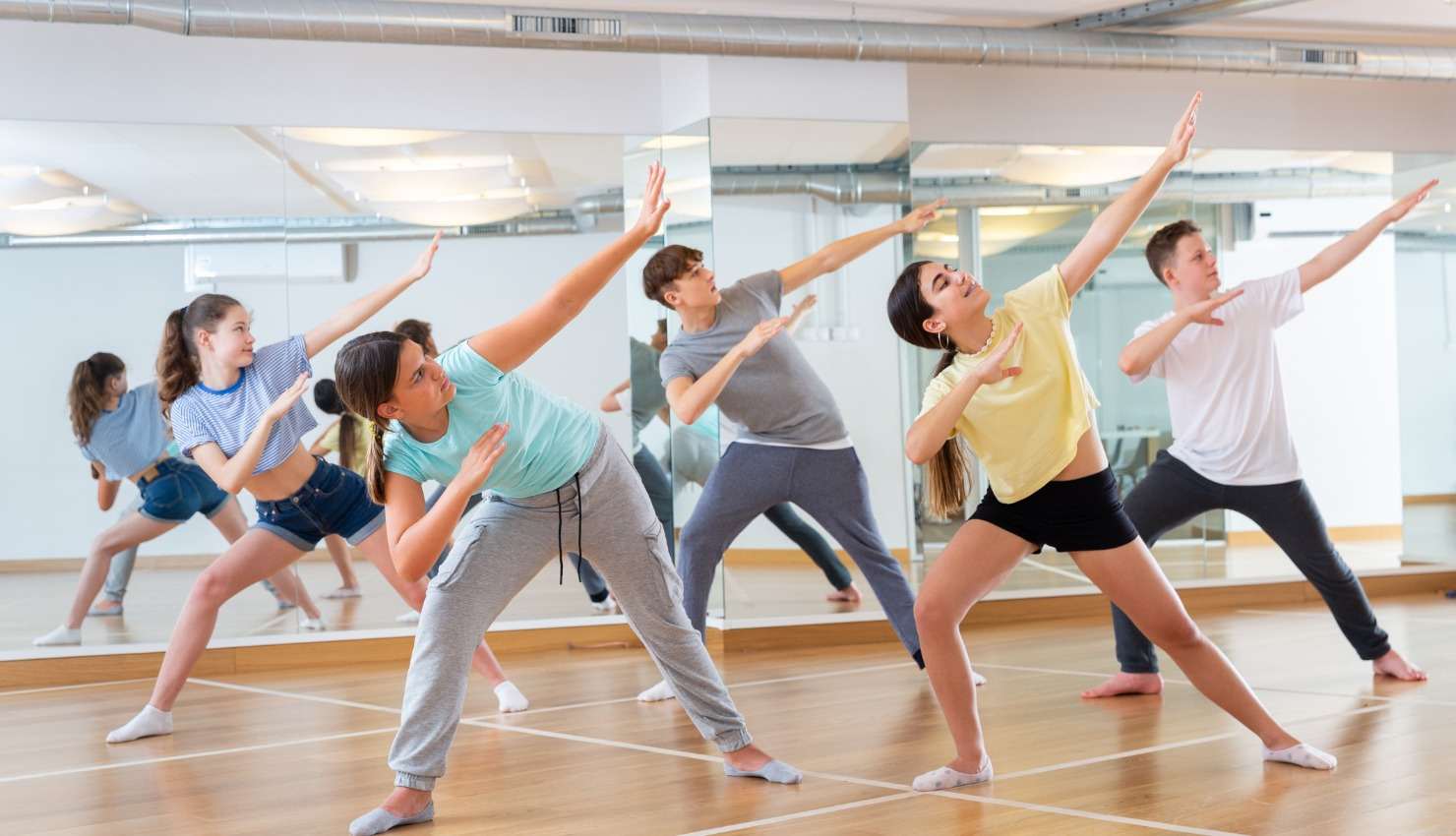
Flexibility allows dancers to achieve extended lines, deep splits, and high kicks. But flexibility without muscular control can result in:
Joint instability
Poor technique
Increased risk of sprains or dislocations
Conversely, strength without sufficient flexibility can restrict range of motion and limit expression, making movements appear stiff or forced.
? The goal? Controlled flexibility and functional strengththe kind that allows a dancer to move freely, powerfully, and safely.
How Physiotherapy Helps Dancers Build Both
1. Individualized Assessments
Physiotherapists begin with a full-body evaluation:
Identifying areas of tightness or hypermobility
Testing muscle strength and activation
Observing movement patterns during dance-specific tasks
This helps tailor a program that addresses imbalances unique to the dancers body.
2. Strengthening the Stabilizers
Physiotherapists focus on strengthening the deep stabilizing musclesthose that support the spine, hips, knees, and ankles during dynamic movement. This includes:
Core muscles (transversus abdominis, multifidus)
Gluteus medius and minimus
Deep calf and foot muscles
? Stronger stabilizers = better control in extensions, turns, and landings.
3. Safe and Specific Flexibility Training
Not all flexibility is created equal. Physiotherapists teach:
Dynamic stretching to improve mobility during movement
Static stretching for post-training recovery
Active flexibility drills, where the dancer uses muscular effort to achieve the stretch (e.g., holding a développé)
? This approach builds functional flexibility, not just passive range.
4. Motor Control and Proprioception Training
Dancers must feel and control their limbs in space with precision. Rehab programs often include:
Balance exercises
Neuromuscular training (e.g., foot control on unstable surfaces)
Technique corrections for movements like turnout or arabesque
? Improves coordination, balance, and injury resistance.
Common Issues Physiotherapy Can Address
Overstretched hamstrings with weak glutes
Tight hip flexors with underactive core
Hypermobile joints lacking stability
Uneven flexibility between sides of the body