How Physiotherapy Can Keep Your Body in Top Condition for Dance explores targeted strategies for recovery. Discover new paths to mobility, healing, and personalized care.

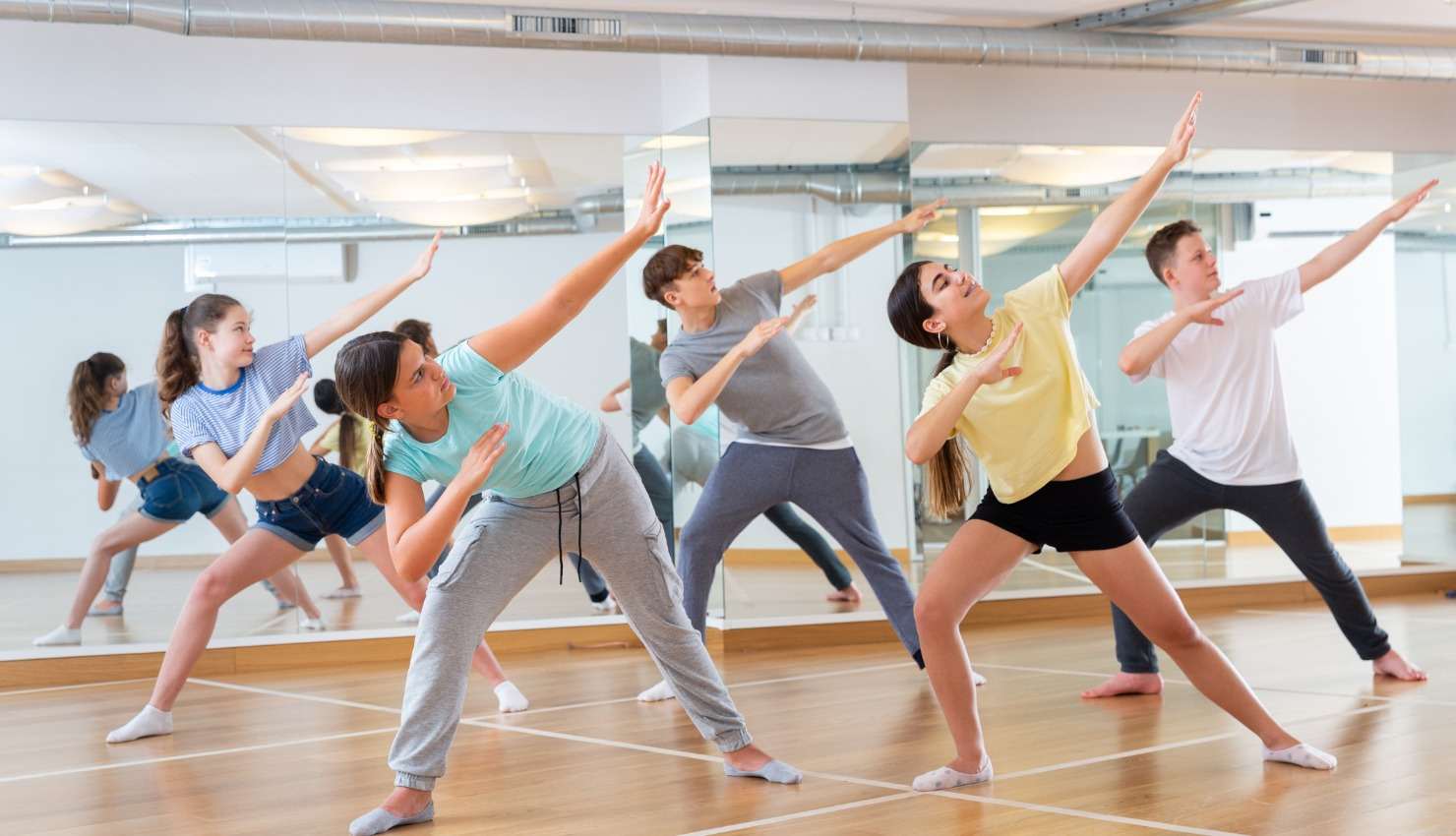
Physiotherapy isnt just about healingits about optimizing how the body moves, performs, and withstands stress. Dance places intense demands on joints, muscles, ligaments, and tendons. Without ongoing care, dancers face:
Overuse injuries (like tendinitis or stress fractures)
Muscle imbalances
Limited range of motion
Poor recovery between rehearsals or shows
Physiotherapy helps dancers avoid these issuesand perform at their best, consistently.
How Physiotherapy Keeps a Dancers Body Performance-Ready
1. Prevents Injuries Before They Happen
Physiotherapists identify early warning signs like muscle tightness, joint instability, or poor mechanics before they turn into full-blown injuries. Through:
Biomechanical assessments
Movement screenings
Dance-specific functional tests
? Result: Fewer training interruptions, and a longer, healthier dance career.
2. Builds Strength Where Dancers Need It Most
Dance requires strength in areas like:
Core and pelvic stabilizers
Glutes, hamstrings, and calves
Shoulders and back for lifts or port de bras
Physiotherapists design strengthening programs that:
Target weak links
Support technique (like turnout or balance)
Match the demands of your dance style (ballet, contemporary, jazz, hip-hop, etc.)
? Result: More control, better jumps, and stronger landings.
3. Improves Flexibility Safely
Flexibility is vitalbut too much, or stretching the wrong way, can lead to injury. Physiotherapists guide:
Dynamic warm-up routines to prepare the body for movement
Active flexibility training to maintain control through a full range of motion
Post-class recovery stretching to reduce stiffness and restore alignment
? Result: Greater mobility without compromising joint stability.
4. Enhances Technique Through Movement Correction
Subtle movement faultslike collapsing arches, over-arched backs, or hip misalignmentscan affect your performance and cause long-term damage. Physios work to:
Identify inefficient movement patterns
Retrain motor control and posture
Reinforce better alignment for turnout, extensions, and leaps
? Result: Cleaner lines, less compensation, and improved technique.
5. Aids in Recovery and Performance Longevity
Physiotherapy accelerates recovery through:
Soft tissue therapy (massage, myofascial release)
Modalities (ice, heat, electrical stimulation)
Guided active recovery sessions
It also helps dancers manage fatigue and avoid burnout by teaching how to:
Properly cool down
Use rest strategically
Balance intensity and rest across training blocks
? Result: Faster recovery, consistent energy, and reduced injury risk.
When to See a Physiotherapist as a Dancer
You feel tight, sore, or off but not necessarily injured
You want to improve flexibility, strength, or technique
Youre recovering from an injury and want a safe return
Youre training at a high level and want to stay ahead of problems