Rehabilitation for Dance Injuries explores targeted strategies for recovery. Discover new paths to mobility, healing, and personalized care.

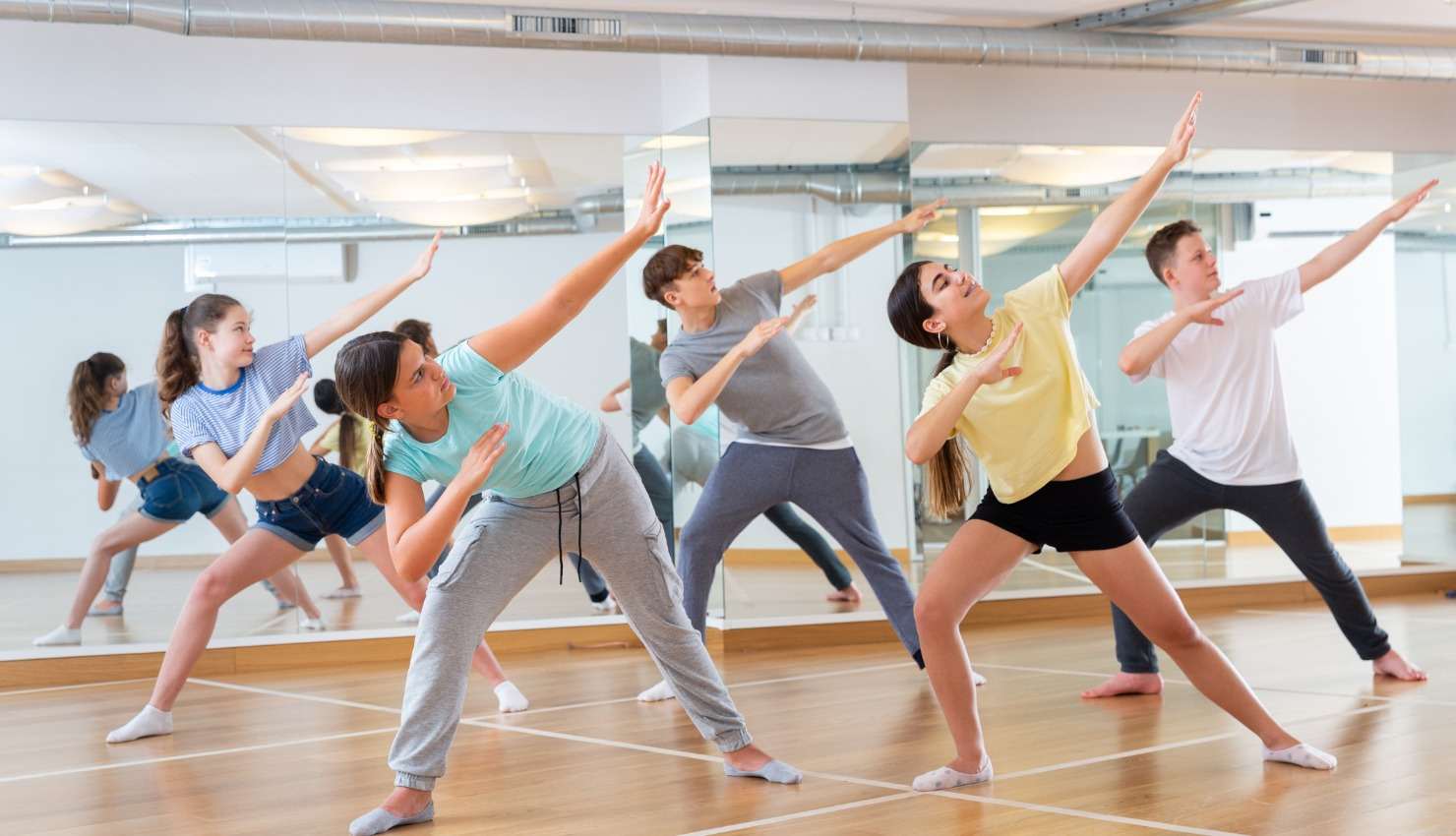
Dancers push their bodies to the limitsgracefully yet rigorously. This physical demand makes them vulnerable to injuries ranging from minor strains to serious ligament tears. Fortunately, physiotherapy offers a structured, science-backed path to recovery that not only heals but also restores strength, flexibility, and performance.
Common Dance Injuries That Require Rehabilitation
Some of the most frequent injuries in dancers include:
Ankle sprains
Stress fractures (especially in the feet and tibia)
Tendinitis (e.g., Achilles, patellar)
Hip labral tears
Lower back strain
Muscle imbalances and overuse injuries
These conditions can severely limit a dancer’s mobility, endurance, and precision.
How Physiotherapy Accelerates Recovery
1. Accurate Diagnosis and Individualized Care
A physiotherapist performs a thorough assessment to identify the injury and any underlying biomechanical issues contributing to it (e.g., weak glutes or poor core stability). This leads to a tailored treatment plan that matches the dancers specific discipline and injury.
2. Pain Management
Modalities such as ice/heat therapy, electrical stimulation, and manual therapy reduce inflammation and relieve pain, allowing dancers to begin rehabilitation sooner.
3. Restoring Range of Motion
Injuries often result in stiffness. Physiotherapists use joint mobilization, stretching routines, and soft tissue techniques to gradually increase flexibility without compromising joint integrity.
4. Strength and Stability Training
Targeted exercises rebuild strength in affected areas and correct muscular imbalances. Special attention is paid to core stability, turnout control, and pelvic alignmentcrucial for all dance forms.
5. Neuromuscular Re-education
Dancers need precise control of their movements. Through balance training, proprioception exercises, and movement pattern correction, physiotherapy helps retrain the body to move correctly and efficiently.
6. Progressive Return-to-Dance Protocol
Rather than jumping straight back into rehearsals, physiotherapists guide dancers through graduated reintroduction to practice. This helps prevent reinjury and ensures confidence in movement.
7. Injury Prevention Education
Physiotherapy teaches dancers how to modify their warm-ups, conditioning routines, and posture to avoid recurring injuries. This includes advice on:
Cross-training
Load management
Footwear and floor surface considerations
The Mental Health Connection
Dealing with injury can be emotionally challenging. Physiotherapists often work closely with mental health professionals and coaches to help dancers stay motivated and mentally resilient during recovery.