How to Improve Your Range of Motion for Dance with Physiotherapy explores targeted strategies for recovery. Discover new paths to mobility, healing, and personalized care.

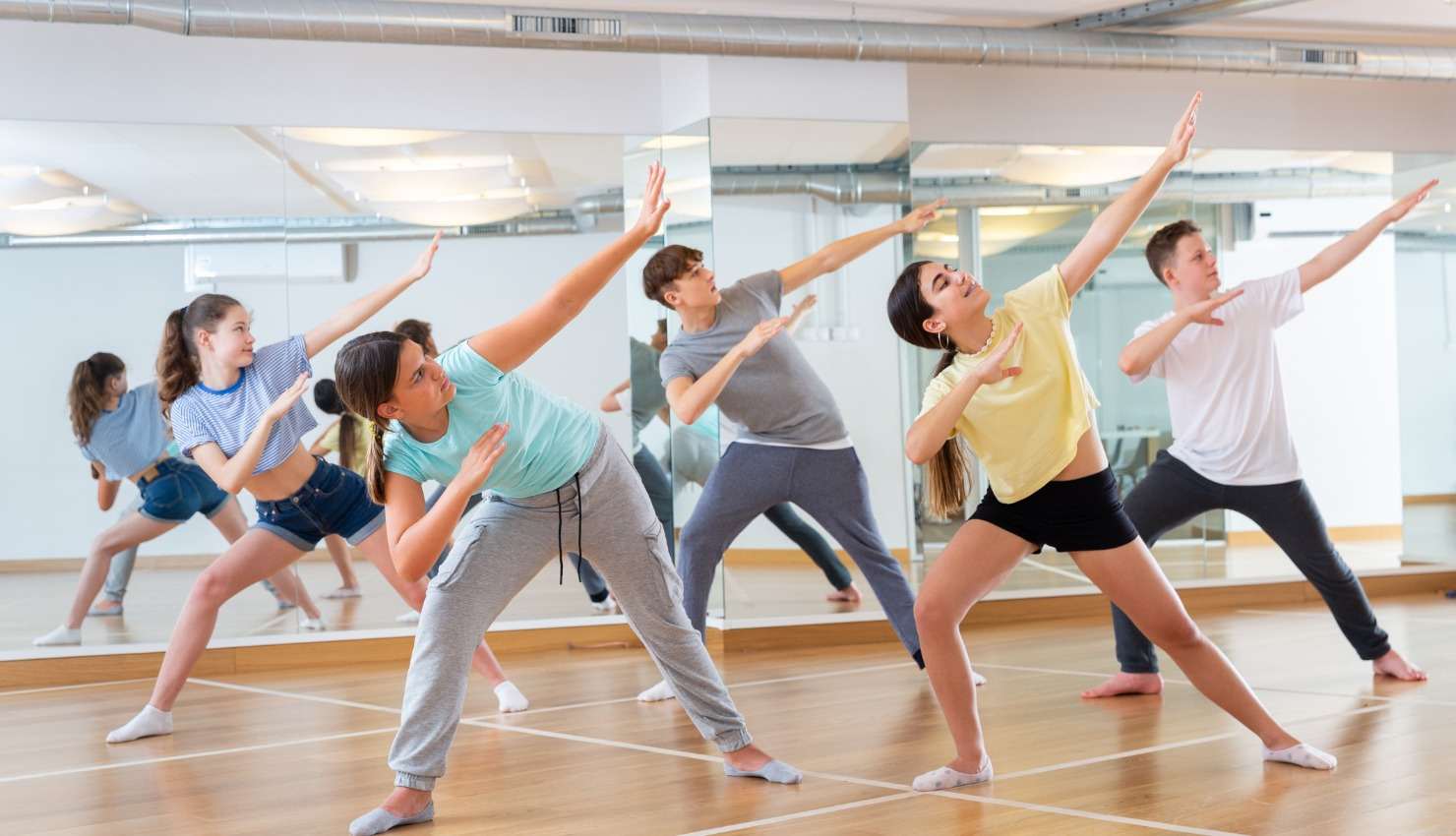
Understanding Range of Motion in Dance
Range of Motion (ROM) refers to how far a joint can move in a specific direction. It includes:
Active ROM: How far you can move a joint using your own muscles
Passive ROM: How far the joint can move with assistance
Optimal dance performance depends on having sufficient ROM in key areas, such as:
Hips (for turnout and extensions)
Ankles (for pliés, relevés, and jumps)
Spine (for backbends and port de bras)
Shoulders (for expressive arm lines)
?? How Physiotherapy Improves Range of Motion
1. Assessment of Limitations
A physiotherapist will:
Identify whether ROM limits are due to joint restrictions, muscular tightness, neural tension, or movement habits
Test passive and active ranges in all major joints
Pinpoint asymmetries or compensations
?? This ensures the treatment plan is specific to your bodys unique needs.
2. Manual Therapy Techniques
Physiotherapists use hands-on techniques to improve joint and soft tissue mobility, such as:
Joint mobilizations (to gently increase joint capsule flexibility)
Myofascial release (to reduce adhesions and improve tissue glide)
Trigger point therapy (to relieve muscle knots and improve extensibility)
These techniques help release physical blocks that limit range.
3. Dynamic and Static Stretching
A customized stretching program will be based on your dance style and limitations:
Dynamic stretching (e.g., leg swings, torso rotations) to improve movement-specific ROM before class
Static stretching (e.g., hamstring or hip flexor holds) after dance to lengthen tight tissues
PNF (Proprioceptive Neuromuscular Facilitation) to combine stretching and strengthening for faster gains
?? Consistency and proper technique are key to lasting flexibility.
4. Neural Mobility Work
Sometimes ROM restrictions are due to tight nerves rather than tight muscles. Physios may introduce:
Neural flossing techniques to mobilize sciatic, femoral, or brachial nerves
Gentle oscillatory movements to reduce neural tension that mimics “tightness”
5. Strengthening Through Range
Increased ROM is only useful if you can control it. Physiotherapists prescribe:
Eccentric exercises (e.g., slowly lowering into a split)
Isometric holds (e.g., holding your leg in arabesque)
Resistance training through full ranges to build strength at end-ranges
?? Control = injury prevention and greater precision in performance.
6. Functional Movement Training
Dance-specific drills improve usable ROM in choreography:
Controlled leg lifts, arabesques, and développés
Port de bras with trunk rotation and spinal articulation
Balance and turnout drills on wobble boards or sliders
These integrate flexibility and strength into real-world movement.
?? Tips for Dancers Working on Range of Motion
Warm up dynamically before every stretch session or rehearsal
Dont force your body into deeper ranges aim for gradual progression
Focus on quality of movement, not just end position
Breathe deeply while stretching to allow the nervous system to relax
Rest and recovery are just as important overstretching leads to injury