Improving Dance Techniques with Regular Physiotherapy Care explores targeted strategies for recovery. Discover new paths to mobility, healing, and personalized care.

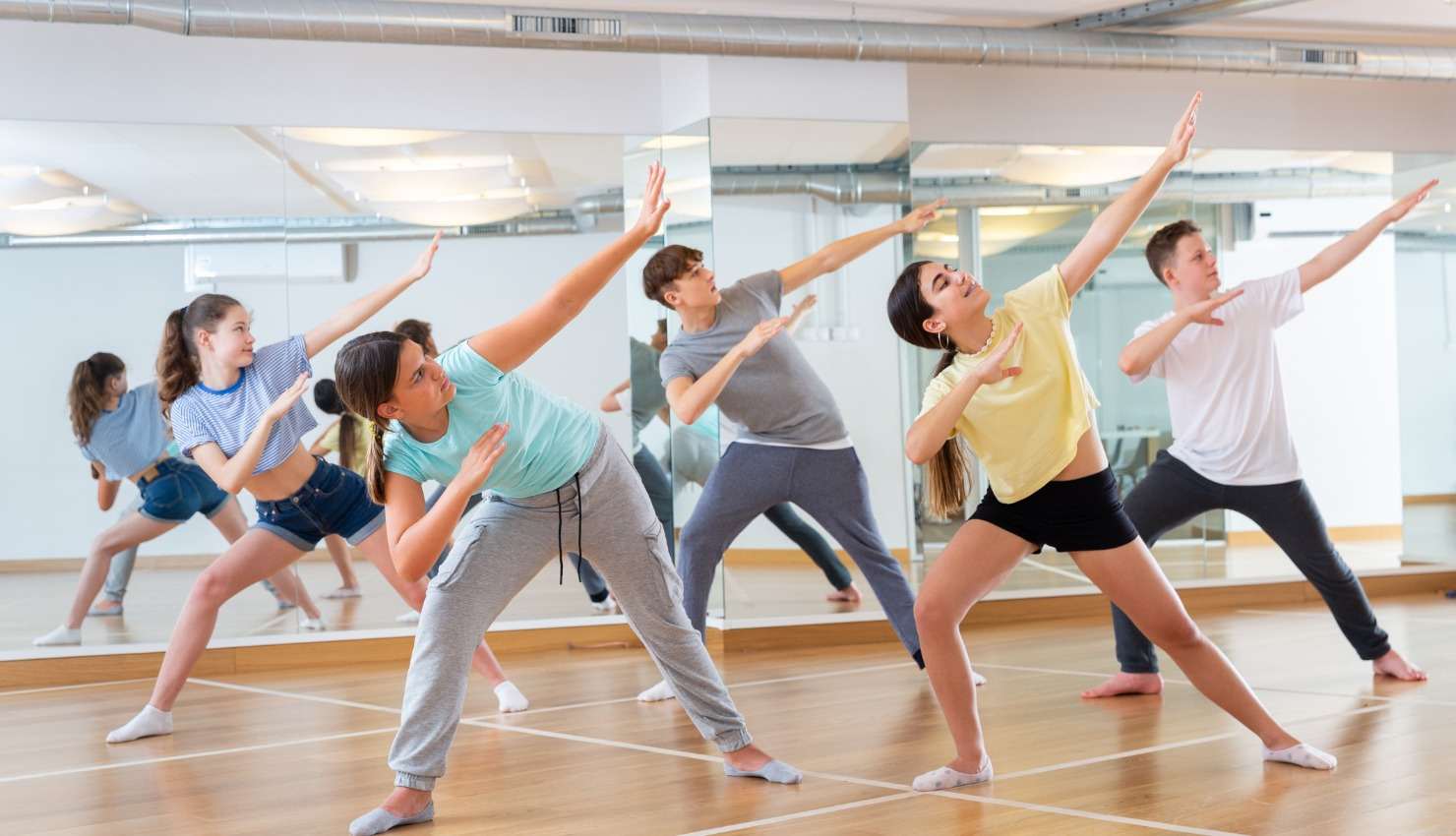
Strong technique leads to:
Better balance and alignment
Improved range and control
Reduced risk of strain and fatigue
Cleaner lines, smoother transitions, and greater artistry
But even the most skilled dancer can be held back by unnoticed muscle imbalances, joint restrictions, or poor movement habitsall of which physiotherapy is designed to detect and correct.
??? How Physiotherapy Enhances Dance Technique
1. Postural Alignment and Core Control
Many technical flaws in dancelike wobbling in turns, collapsing in pliés, or uneven arabesquesstem from poor alignment or weak core engagement.
Physiotherapy focuses on:
Spinal mobility and alignment corrections
Deep core activation (e.g., transverse abdominis, pelvic floor)
Scapular and pelvic stability
?? Better alignment = more consistent technique and less compensation.
2. Joint Mobility and Range of Motion
Inadequate hip turnout, stiff ankles, or limited back extension can compromise movement quality and cause tension elsewhere.
Physiotherapists use:
Joint mobilizations and dynamic stretching
Active-assisted flexibility techniques (e.g., PNF)
Fascial release and soft tissue work
?? Balanced, functional mobility supports fluid, injury-free movement.
3. Muscle Balance and Activation Patterns
Some muscles may be overused (e.g., quads, hip flexors), while others underperform (e.g., glutes, deep rotators), leading to technique breakdowns.
Through EMG testing, manual muscle testing, and functional movement analysis, physios identify:
Weak or underactive muscles
Overdominant muscles contributing to poor mechanics
Asymmetries between left and right sides
??? Correcting imbalances refines control and symmetry in movement.
4. Proprioception and Motor Control Training
Technical executionlike landing a jump or holding a développérequires precise neuromuscular coordination.
Physiotherapy includes:
Balance and stability exercises
Visual and tactile cueing for posture and control
Coordination drills specific to dance movements
?? More control = sharper, more intentional technique on stage.
5. Turnout Optimization and Pelvic Mechanics
True turnout comes from the hipsnot the knees or feet. Physiotherapists work to:
Improve external rotation from the deep hip rotators
Release overworked compensatory muscles (like the TFL)
Strengthen turnout muscles in functional positions
?? Improving turnout without strain improves both aesthetics and safety.
?? Long-Term Benefits of Ongoing Physiotherapy
By integrating physiotherapy as a regular part of your training, you gain:
Consistent technique refinement
Early correction of bad habits
Injury prevention through proper loading and recovery
Faster adaptation to new choreography or styles
Its like having a biomechanical coach watching over your bodys performance mechanicssession by session, season by season.
?? Real-World Impact on Dance Technique
Technique Goal Physiotherapy Contribution
Improve pirouettes Spinal alignment, core training, balance work
Cleaner arabesque Hip mobility, glute activation, back extension training
Better jumps Ankle and calf strength, landing mechanics, plyometrics
Deeper pliés Hip and ankle mobility, knee alignment work
Higher développé Hamstring flexibility, hip stability, motor control
?? Bonus: Mental and Body Awareness Gains
Dancers who work regularly with physiotherapists often report:
Increased body awareness and precision
Confidence in movement due to stronger physical support
Greater understanding of how their body works and how to care for it