How Physiotherapy Benefits Dancers in High-Impact Dance Styles explores targeted strategies for recovery. Discover new paths to mobility, healing, and personalized care.

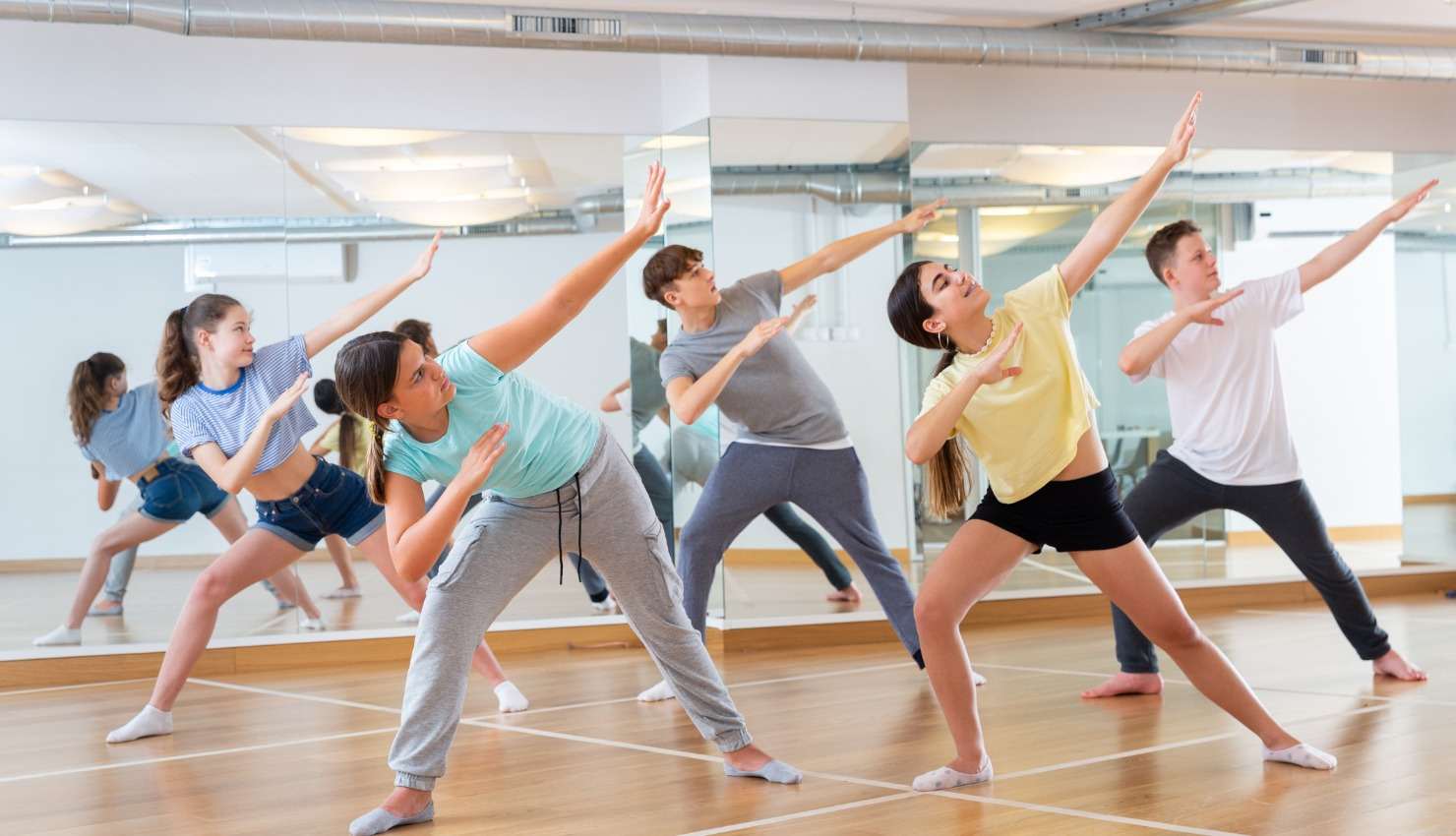
The Physical Demands of High-Impact Dance
These styles involve:
Jumping and landing (requiring joint shock absorption)
Floorwork and lifts (increasing load on shoulders, wrists, hips)
Fast footwork and pivots (stressing ankles, knees, and hips)
Full-body motion (challenging coordination and muscle endurance)
Without proper care, these demands can lead to:
Overuse injuries (like tendonitis and shin splints)
Acute injuries (like ankle sprains and muscle strains)
Fatigue and compensation patterns that affect technique
?? 1. Injury Prevention Through Targeted Strengthening
Physiotherapists identify weak links in a dancers kinetic chain and build strength where it matters most.
Key focus areas:
Core for stability during directional changes and landings
Glutes and hamstrings to power jumps and protect knees
Calves and ankles for dynamic push-offs and safe landings
Shoulder and wrist stability critical for floorwork and lifts
?? Strong, well-balanced muscles reduce the risk of strain, especially during impact-heavy choreography.
?? 2. Recovery Support for Overused Muscles and Joints
High-intensity rehearsals and performances can lead to muscle fatigue, joint soreness, and tight fascia. Physiotherapy helps restore tissue health with:
Manual therapy (massage, myofascial release)
Stretching and mobility techniques
Dry needling or cupping (when appropriate)
Cold therapy and active recovery plans
?? Regular recovery keeps dancers from developing chronic pain and overuse injuries.
?? 3. Performance Optimization Through Movement Analysis
High-impact dancing requires precision under pressure. Physiotherapists use movement analysis to:
Identify faulty mechanics (e.g., poor landing technique)
Assess joint alignment during jumps, spins, or lifts
Improve movement efficiency and reduce energy waste
?? Refining biomechanics allows for more controlled, powerful movementand fewer compensations.
?? 4. Improved Landing Mechanics and Shock Absorption
Landing improperly from jumps or acro tricks is a top cause of injury in high-impact dance. Physiotherapists help train:
Knee alignment and joint stacking
Soft, controlled landings through eccentric strength
Safe roll-outs and transitions in floorwork
?? Better technique means your joints absorb less shock, reducing stress on knees, hips, and spine.
?? 5. Neuromuscular Training and Agility Work
To keep up with complex choreography, dancers need rapid response and precise coordination. Physiotherapists incorporate:
Agility drills
Balance and proprioception exercises
Plyometric control training
Speed and reaction conditioning
? This training improves quickness and control while reducing injury risk during fast-paced routines.
?? 6. Load Management and Fatigue Monitoring
Burnout is real in high-impact dance styles. Physiotherapists help dancers manage their workload by:
Tracking physical output and rest periods
Structuring warm-ups and cool-downs
Advising on cross-training and rest days
Teaching body awareness to catch early signs of overtraining
?? Smart load management prevents breakdown and supports long-term career sustainability.
?? 7. Flexibility and Joint Health Maintenance
High-impact dancing demands not just strength, but mobility. Physiotherapy ensures joints move freely and safely through:
Joint mobilizations
Dynamic stretching routines