Stretching Techniques for Dancers explores targeted strategies for recovery. Discover new paths to mobility, healing, and personalized care.

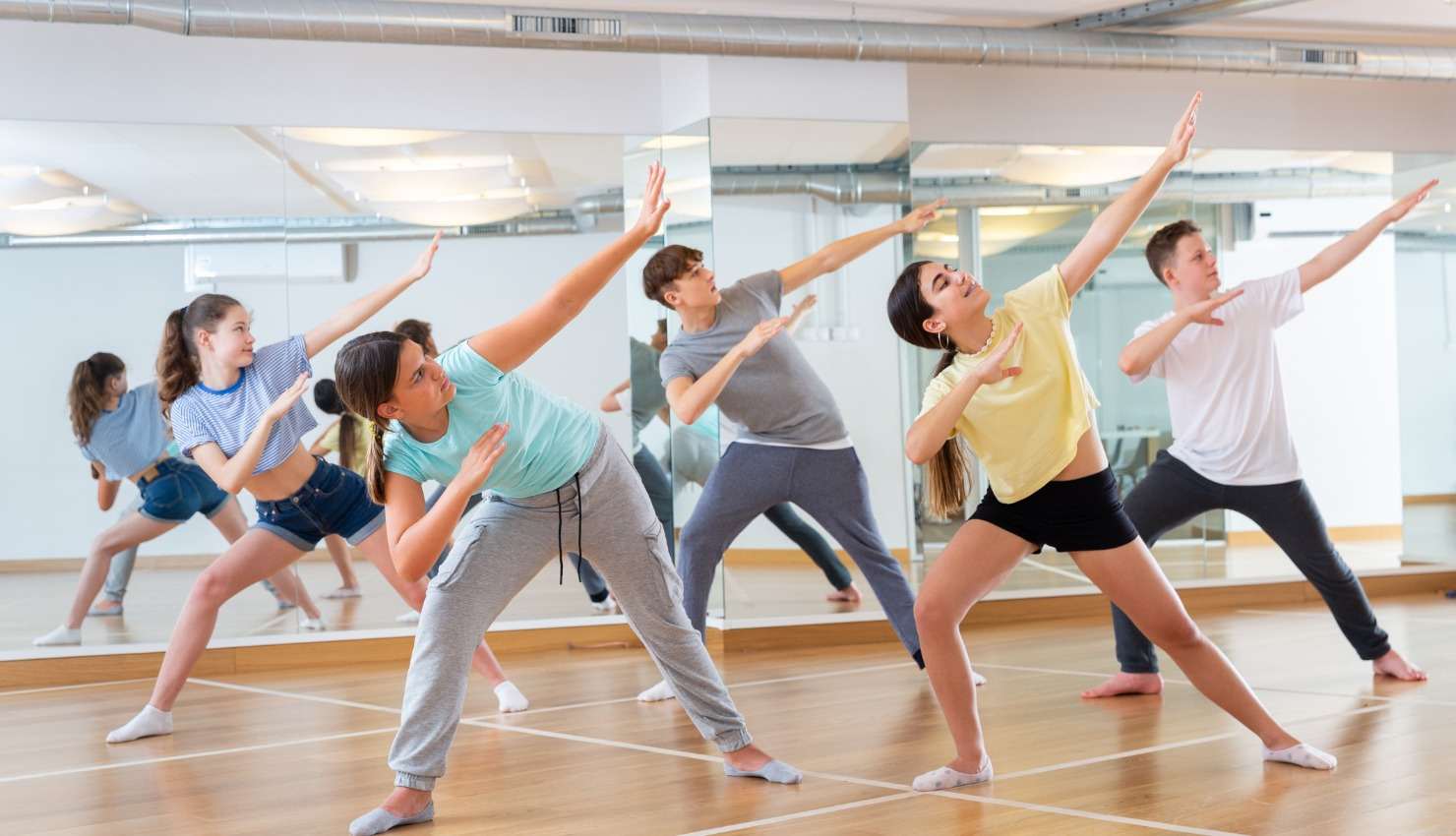
Dance demands both mobility (range of motion at the joints) and flexibility (muscle and connective tissue extensibility). Stretching enhances:
Line and extension quality
Fluid transitions
Balance and turnout
Injury prevention
But flexibility should never sacrifice stability. Thats where physiotherapy-informed stretching makes a difference.
????? 1. Dynamic Stretching (Pre-Dance)
Best for: Warm-ups and preparation for movement
Physio focus: Raises core temperature and primes muscles
Examples:
Leg swings front and side
Hip circles
Controlled lunges with arm reaches
Dynamic arabesque kicks
? Dynamic stretches are active, movement-based, and improve functional mobility. They should always precede static stretching or intense dancing.
?? 2. Static Stretching (Post-Dance or Cool-Down)
Best for: Improving long-term flexibility and muscle relaxation
Physio focus: Lengthens tissues post-activity, aiding recovery
Examples:
Forward folds for hamstrings
Butterfly stretch for inner thighs
Passive frog stretch for hips
Seated straddle hold for inner leg and back
Tips:
Hold for 3060 seconds
Avoid bouncing (no ballistic stretching)
Breathe deeply and consistently
?? Static stretching is most effective when muscles are already warm.
?? 3. Active Stretching
Best for: Strengthening end-range flexibility
Physio focus: Builds control in extended positions
Examples:
Holding an arabesque using only glute and back muscles
Lifting a développé without grabbing the ankle
Front leg lifts in parallel with core engagement
?? Active stretching teaches your nervous system to support flexibility with muscular strength.
????? 4. PNF Stretching (Proprioceptive Neuromuscular Facilitation)
Best for: Advanced dancers under professional supervision
Physio focus: Uses resistance and relaxation to deepen flexibility
How it works:
Stretch the target muscle
Isometrically contract against resistance for ~6 seconds
Relax and stretch further
Example:
Hamstring stretch lying on back with a strap and a partner providing resistance
?? Should be guided by a physiotherapist or trained instructor to avoid overstretching.
?? 5. Fascial Stretching and Myofascial Release
Best for: Releasing tight connective tissue restrictions
Physio focus: Improves glide between muscle layers and fascia
Techniques:
Foam rolling (quads, calves, lats)
Tennis or massage balls for feet or glutes
Therapist-assisted fascial techniques for stubborn tension
?? Fascia responds well to slow, sustained pressuregreat for releasing chronic tightness.
?? Stretching Safety Tips from Physiotherapy
Warm up first Never stretch cold muscles.
Avoid overstretching Feeling slight tension is okay; sharp pain is not.
Balance both sides Dont only focus on your good leg.
Focus on posture Keep hips square and spine aligned.
Stretch consistently Short, regular sessions are better than occasional deep sessions.
?? Sample Stretch Routine for Dancers (Physio-Approved)
Before class (dynamic):
Leg swings (10 reps/side)
Lunge with side reach (8 reps/side)
Arm circles + hip openers
Light jumps or relevés
After class (static + active):
Seated straddle stretch 60 sec
Supine hamstring hold with strap 45 sec
Active développé holds (front, side) 10 sec each