The Importance of Injury Prevention in Dance and the Role of Physiotherapy explores targeted strategies for recovery. Discover new paths to mobility, healing, and personalized care.

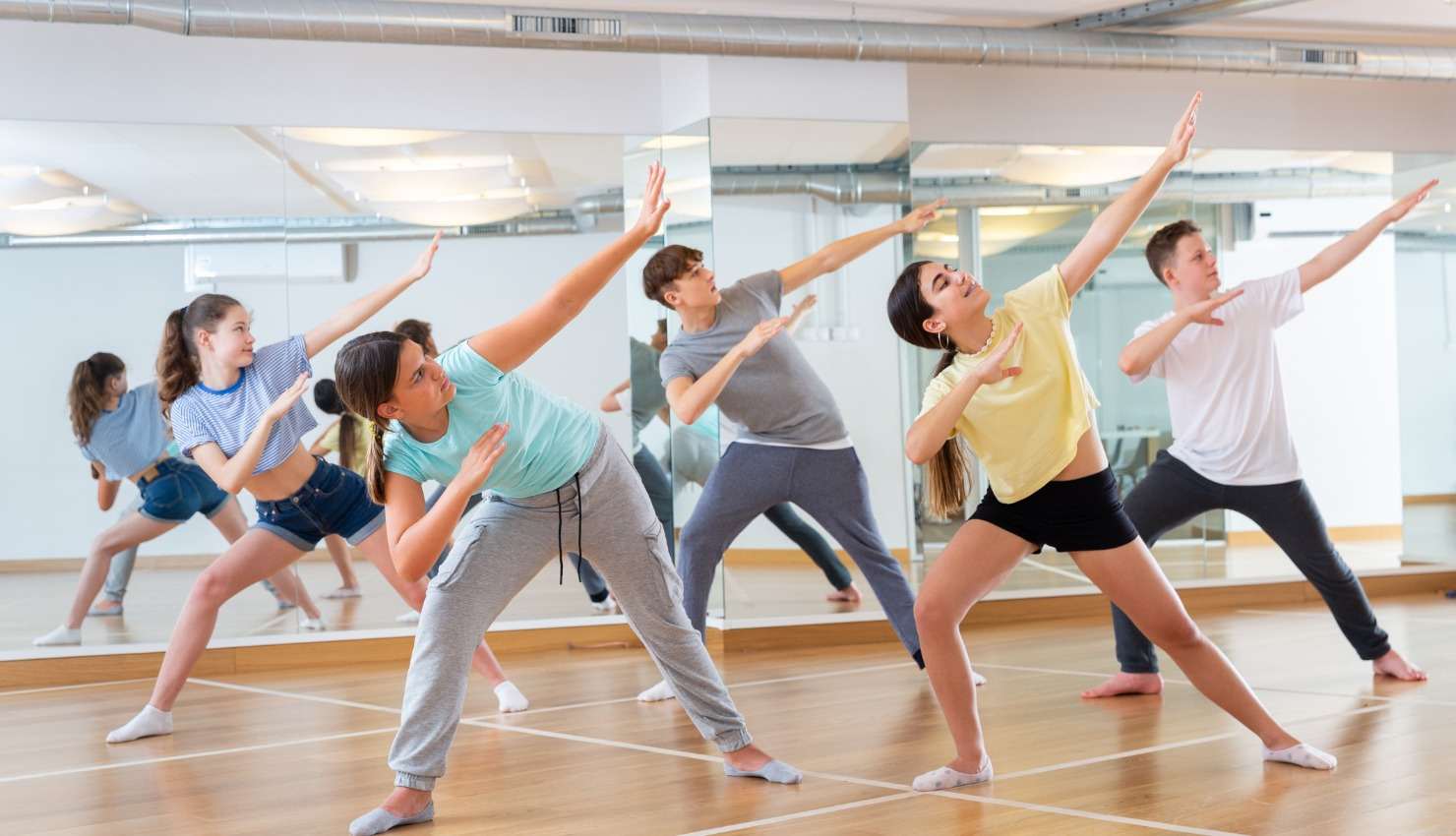
Unlike many sports, dancers often push through pain or fatigue to maintain appearances and meet performance demands. Unfortunately, this culture can lead to:
Overuse injuries (e.g., tendonitis, stress fractures, shin splints)
Acute injuries (e.g., ankle sprains, muscle tears)
Chronic conditions (e.g., back pain, joint instability, nerve impingement)
Prevention is far more effectiveand sustainablethan repeated rehabilitation.
?? Common Risk Factors for Dance Injuries
Inadequate warm-up or cool-down
Poor technique or alignment
Muscle imbalances or joint instability
Fatigue and overtraining
Lack of flexibility or strength
Floor and footwear issues
Growth-related changes in young dancers
? These risks can often be minimized or corrected with physiotherapy.
?? The Role of Physiotherapy in Injury Prevention
Physiotherapists dont just treat injuriesthey help dancers avoid them altogether through a proactive, dancer-specific approach.
?? 1. Injury Risk Screening and Biomechanical Assessments
A dance physiotherapist can evaluate:
Posture and alignment
Core and joint stability
Muscle imbalances
Turnout mechanics
Jumping and landing technique
?? This allows for early identification of movement patterns that may lead to injury.
??? 2. Strength and Conditioning Programs
Targeted exercises help address:
Weak glutes and core (common in dancers with back or hip pain)
Poor ankle or foot control (leading to sprains or stress injuries)
Shoulder instability (especially in acro or contemporary styles)
?? Building functional strength improves control and reduces joint stress.
?? 3. Flexibility and Mobility Training
Physiotherapists guide dancers to:
Stretch safely without overstretching
Mobilize restricted joints (like ankles, hips, and thoracic spine)
Balance flexibility with strength (especially in hypermobile dancers)
?? Improved flexibility reduces compensation and muscle strain.
????? 4. Neuromuscular Re-Education
Through balance, proprioception, and coordination drills, physios help dancers:
Control movement under fatigue
Improve joint awareness
Execute technically challenging moves with less risk
?? These techniques reinforce safe motor patterns that become second nature.
?? 5. Education and Load Management
Dancers learn to:
Recognize signs of overtraining or tissue overload
Plan rest and recovery strategically
Use warm-ups, cooldowns, and self-care routines effectively
?? Knowledge empowers dancers to protect themselves over the long term.
?? 6. Customized Prehab Routines
Rather than waiting for injury to occur, physiotherapists provide:
Personalized exercise programs
Pre-performance warm-up strategies
Preventive care during demanding rehearsal schedules or competitions
?? Prehab is proactive physiotherapyit strengthens your weak links before they become problems.
?? Benefits of a Physiotherapy-Based Prevention Plan
Benefit Impact on Dancers
Fewer injuries More consistent training and performance
Improved movement quality Better technique and aesthetic
Greater body awareness Quicker corrections and enhanced control
Longevity in dance Fewer setbacks and shorter recovery times
Increased confidence Knowing your body is supported and resilient