Reducing the Risk of Dance Injuries with Physiotherapy explores targeted strategies for recovery. Discover new paths to mobility, healing, and personalized care.

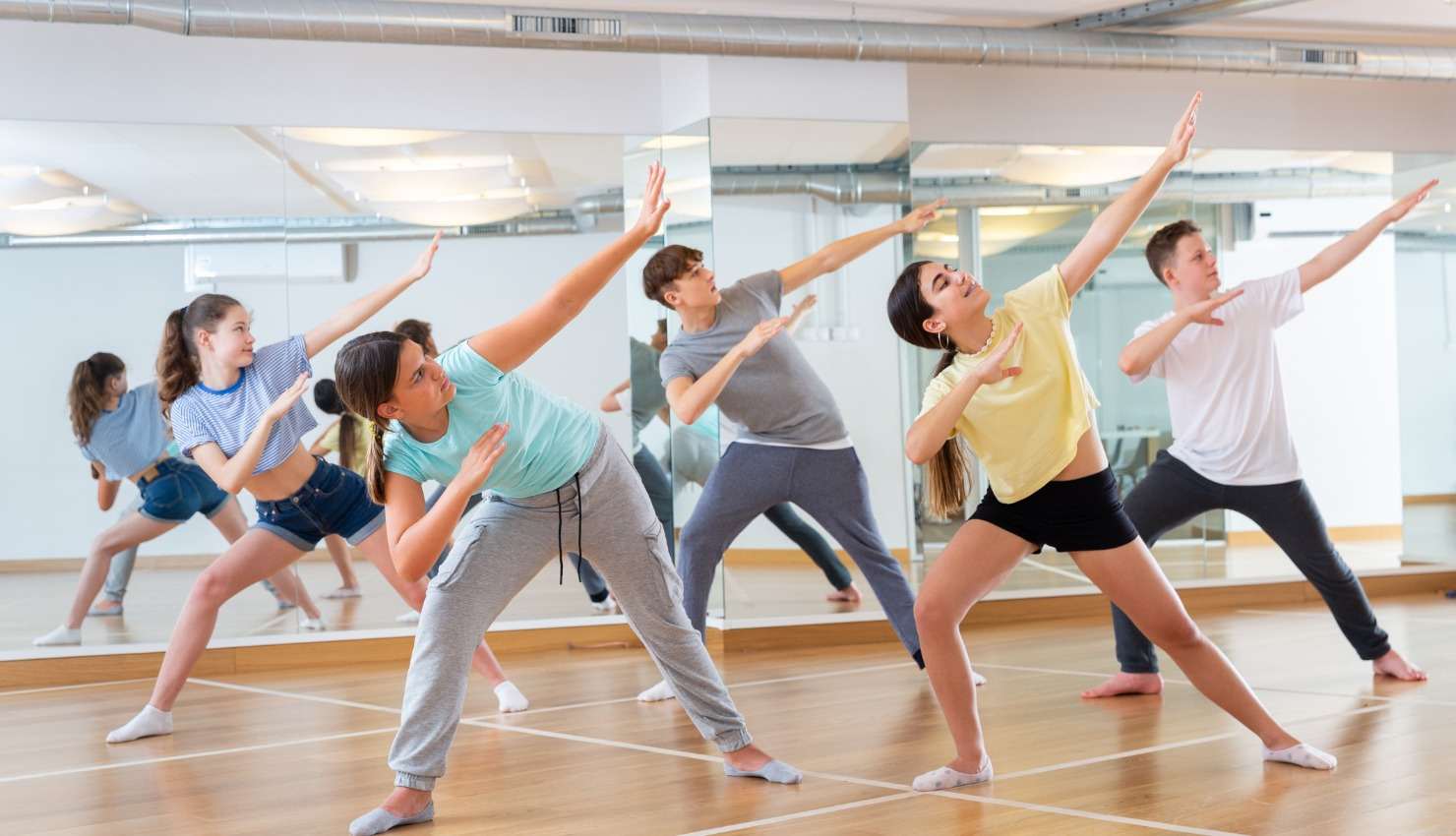
Dancers often face injuries due to:
Overuse (repetitive strain from long hours of practice)
Technical errors (such as poor turnout or faulty landings)
Muscle imbalances
Fatigue or inadequate recovery
Improper warm-up or cool-down routines
Poor footwear or dance surfaces
These factors can result in common injuries like sprains, tendonitis, stress fractures, and joint misalignments.
?? How Physiotherapy Prevents Dance Injuries
Physiotherapy focuses on proactive carenot just fixing injuries after they occur, but helping dancers avoid them altogether.
? 1. Comprehensive Movement Screening
Physiotherapists conduct full-body assessments to:
Analyze posture and alignment
Identify movement inefficiencies
Detect early signs of overuse or compensation
Evaluate strength, flexibility, and stability imbalances
?? By understanding your unique body mechanics, a tailored injury-prevention plan can be developed.
??? 2. Strength and Conditioning Programs
Dancers need more than flexibilitythey need strength to support their range of motion. Physiotherapists create dance-specific programs to:
Improve joint stability (especially hips, knees, ankles)
Activate underused muscles (like deep core or glutes)
Increase muscular endurance for long rehearsals
Prevent fatigue-related breakdowns in form
?? A strong dancer is a resilient dancer.
?? 3. Flexibility and Mobility Training
While dancers are known for their flexibility, imbalanced or forced stretching can cause injury. Physiotherapy ensures:
Safe stretching techniques that support healthy range of motion
Targeted mobility work to reduce joint stress
Soft tissue release to prevent tightness and compensation
?? Mobility + control > extreme flexibility alone.
?? 4. Foot, Ankle, and Turnout Mechanics
Feet and ankles take the brunt of most dance styles. Physiotherapists help with:
Proper weight distribution and arch support
Pointing and flexing techniques
Turnout training from the hips, not the knees or feet
Preventing overpronation or ankle rolling
?? Small corrections here can prevent big injuries later.
?? 5. Recovery and Load Management
Injury often happens when dancers push too hard, too fast. Physiotherapists guide:
Scheduling rest and recovery days
Implementing active recovery (like hydrotherapy or light movement)
Monitoring signs of overtraining
Supporting return-to-dance after injury safely
?? Rest is part of the trainingnot the opposite of progress.
?? 6. Education and Technique Refinement
One of the most valuable tools physiotherapists provide is awareness. They educate dancers on:
How to warm up and cool down properly
Recognizing the difference between soreness and injury
Applying self-massage, taping, and supportive braces
Safe practice techniques based on dance style
?? The more you know, the more power you have over your health.
?? Common Injuries Physiotherapy Helps Prevent
Injury Prevention Strategy
Ankle sprains Balance and proprioceptive training
Shin splints Proper footwear and load management
Patellar tendonitis Quad/hip strengthening and landing control
Stress fractures Load monitoring and nutritional education
Lower back pain Core stability and posture correction
Hip impingement Turnout mechanics and glute activation