Can Physiotherapy Improve Your Dance Coordination? explores targeted strategies for recovery. Discover new paths to mobility, healing, and personalized care.

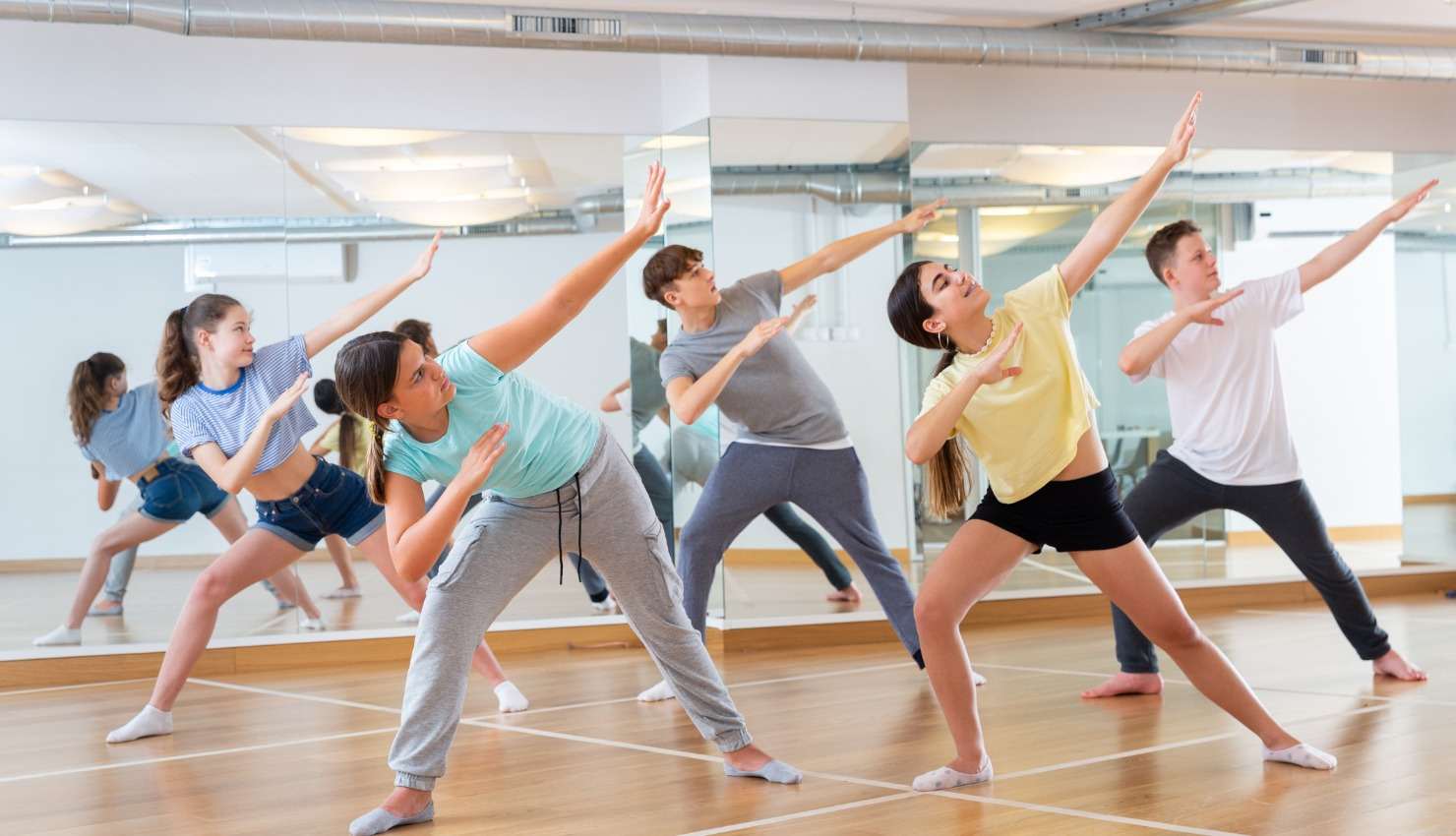
Coordination is the ability to use different parts of the body together smoothly and efficiently. In dance, this means synchronizing upper and lower body movements, aligning breath with motion, and mastering transitions and direction changes with ease.
Strong coordination allows dancers to:
Execute choreography with accuracy
Maintain balance during turns and jumps
Transition between movements smoothly
Perform complex combinations at tempo
Reduce compensatory movements that lead to injury
?? How Physiotherapy Enhances Coordination
Physiotherapy improves coordination through a blend of neuromuscular training, proprioceptive work, and targeted exercises designed for your specific style of dance.
? 1. Neuromuscular Re-Education
Physiotherapists help rewire movement patterns by:
Identifying poor motor control or imbalances
Teaching your brain and muscles to work in sync
Retraining faulty movement habits (like over-relying on one leg or arm)
?? This enhances automatic, efficient movement coordination.
?? 2. Balance and Proprioception Training
Balance is a key component of coordination. Physios use tools like:
Balance boards and stability pads
One-legged control exercises
Core stability drills
Eye-tracking + movement tasks (visual-motor training)
?? Improved proprioception helps you feel where your body is in spacecritical for quick changes and precise movements.
?? 3. Strength and Stability for Controlled Movement
Muscle strength and control are necessary for well-timed coordination. Your physiotherapist might focus on:
Glute activation to stabilize the hips
Core strengthening to support posture and transitions
Scapular and shoulder control for arm-leg coordination
Foot and ankle control for clean landings and turns
?? Strong, stable joints = smoother, more confident movement.
?? 4. Rhythmic and Functional Training
Dance coordination isnt just physicalits rhythmic and cognitive too. Physios incorporate:
Cross-body movement drills (e.g., opposite arm/leg lifts)
Timing exercises set to a metronome or music
Movement combinations requiring directional and tempo changes
Dual-task training (e.g., movement while counting or responding to cues)
?? This helps build mental-muscle connection under performance pressure.
?? 5. Correcting Asymmetries and Movement Faults
Subtle imbalances between your dominant and non-dominant sides can impair coordination. Physiotherapists address:
Pelvic or spinal misalignment
Unequal limb strength or flexibility
Improper weight distribution
Timing issues in bilateral movements (like jetés or chaînés)
?? Symmetry and alignment allow movements to flow more easily.
?? Results You Can Expect from Coordination-Focused Physiotherapy
Benefit Impact on Dance Performance
Better timing and body control Cleaner choreography and faster learning
Increased precision in movements Fewer mistakes, especially in group routines
Enhanced balance and posture Improved turns, extensions, and lifts