Understanding the Importance of Proper Alignment in Dance explores targeted strategies for recovery. Discover new paths to mobility, healing, and personalized care.

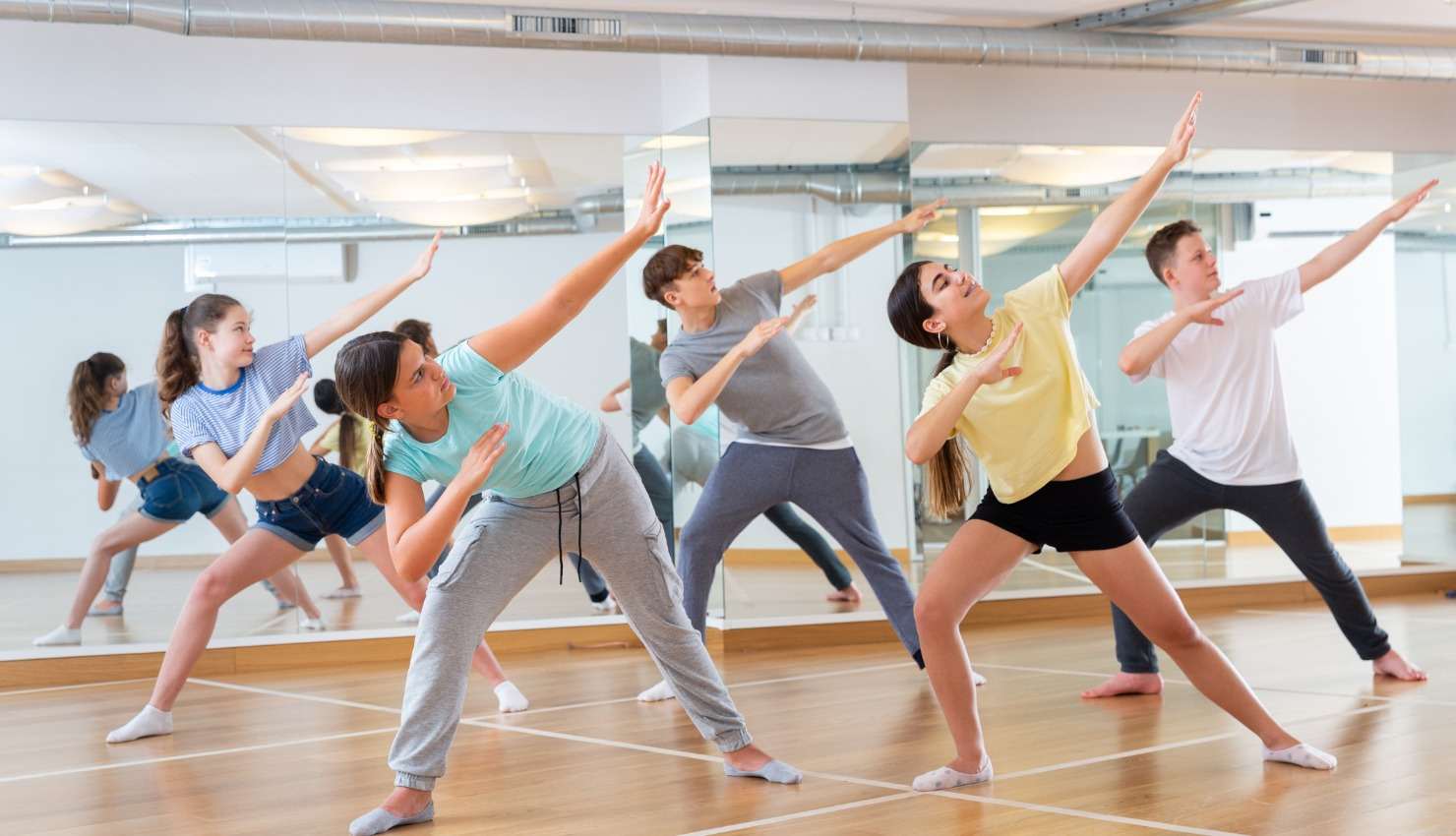
In dance, alignment refers to how the head, spine, pelvis, and limbs stack in relation to one another. Proper alignment allows for:
Efficient movement
Balanced weight distribution
Muscle symmetry and joint safety
Clean lines and enhanced aesthetic
Good alignment enables dancers to move fluidly without compensation or strain.
?? Why Alignment Matters for Dancers
Poor alignment can lead to:
Overuse injuries like tendinitis, shin splints, or stress fractures
Joint pain in the knees, hips, lower back, or ankles
Reduced mobility or flexibility due to muscular imbalances
Loss of control during turns, jumps, or balances
Fatigue and instability, especially during long rehearsals or performances
Correcting alignment helps dancers work smarter, not harder.
????? How Physiotherapy Supports Proper Alignment
Physiotherapists specialize in identifying subtle misalignments and retraining the body to move in harmony. Heres how:
? 1. Postural and Gait Assessment
A physio will assess:
Standing posture (pelvic tilt, spine curves, shoulder positioning)
Gait (how you walk and transfer weight)
Dance-specific movements (e.g., pliés, relevés, arabesques)
?? Theyll detect misalignments such as anterior pelvic tilt, pronated feet, or uneven shoulders and identify whats contributing to them.
? 2. Joint and Muscle Balancing
Misalignment often stems from:
Tight muscles pulling joints out of place
Weak stabilizers failing to support posture
Your physio may use:
Manual therapy to release tight muscles or joints
Targeted strengthening (e.g., glute medius for hip stability)
Stretching (e.g., hip flexors to reduce lumbar extension)
?? Balanced muscles hold your joints in the correct position, naturally supporting better alignment.
? 3. Core and Pelvic Stability Training
The core is the center of all movement in dance. Physiotherapists focus on:
Deep core engagement (transversus abdominis activation)
Neutral pelvic positioning during movement
Breathing patterns to support spinal alignment
?? Stable core = improved control, balance, and support for every movement.
? 4. Alignment Re-education Through Movement
Physios provide drills and cues to retrain alignment during dance:
Wall alignment exercises for spine and pelvis awareness
Mirror work to visualize symmetry
Dance-specific corrections (e.g., keeping knees over toes during pliés)
?? This trains muscle memory and prevents return to faulty patterns.
? 5. Foot and Ankle Mechanics
Since the feet are the foundation in dance, alignment starts from the ground up. Physiotherapy helps with:
Neutral foot positioning (avoiding rolling in/out)
Toe articulation and metatarsal control
Relevé mechanics to ensure balanced ankle loading
?? Stable feet allow for better balance, jumps, and injury prevention.
? 6. Spinal Awareness and Control
Dancers often arch excessively through the lumbar spine. Physios teach:
Spine segmentation exercises
Thoracic mobility drills
Posture correction strategies for performance and daily life
?? Better spinal alignment supports fluid movement and protects against back pain.
?? Alignment Tips Every Dancer Can Use
Perform mirror checks regularly during warm-ups
Use imagery cues: string pulling the head up, ribs knitted together, hips like headlights
Practice barefoot stability exercises to train balance
Add Pilates or functional core training to your routine
Get a professional assessment to identify asymmetries early