The Role of Physiotherapy in Strengthening Dance Muscles explores targeted strategies for recovery. Discover new paths to mobility, healing, and personalized care.

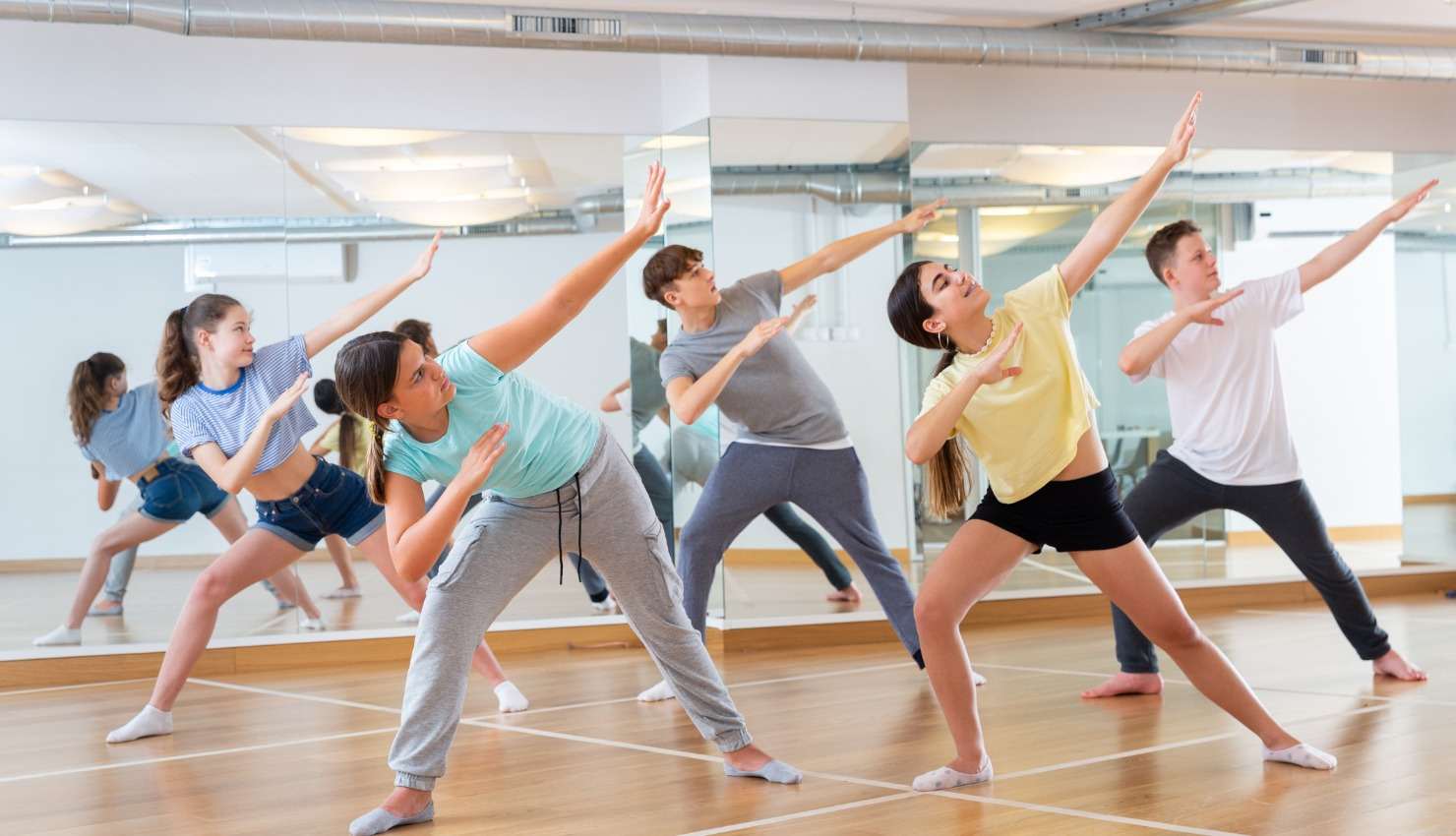
While flexibility and artistry are visible, muscular strength is what powers, controls, and protects every movement. Without enough strength, dancers are more likely to experience:
Poor alignment and balance
Reduced endurance
Increased risk of injury
Inconsistent technique
?? From jumps and turns to floor work and partnering, strength is essential for safe, expressive movement.
????? How Physiotherapy Builds Dance-Specific Strength
? 1. Targeted Muscle Activation
Physiotherapists identify underused or weak muscles that may not be firing correctlyoften the deep stabilizers that support:
Hips and turnout
Core and spinal alignment
Knees and ankles
They use tools like EMG biofeedback, manual cues, and resistance bands to re-train these muscles to activate at the right time.
?? This improves coordination, movement efficiency, and injury prevention.
? 2. Correcting Imbalances and Asymmetries
Many dancers unconsciously favor one side of the body. Physiotherapy strengthens:
The non-dominant side for symmetry
Deep postural muscles to reduce compensations
Joint stabilizers to support balance and rotation
?? Balanced strength means better control, especially in complex movements like arabesques or pirouettes.
? 3. Progressive Strength Training
Dancers need strength that supports dynamic, fluid motionnot bulk. Physiotherapists design progressive strength programs that:
Increase resistance gradually
Mimic dance movement patterns
Incorporate eccentric and isometric training (essential for injury resistance)
Examples include:
Single-leg squats for landing strength
Core sliders for turnout control
Theraband exercises for foot and ankle support
?? These help dancers gain strength without compromising their lines or mobility.
? 4. Improving Neuromuscular Control
Strength alone isn’t enoughcoordination and timing are vital. Physiotherapy integrates:
Balance drills
Plyometric exercises
Proprioception training
These exercises improve your body’s ability to recruit the right muscles at the right time during leaps, turns, or quick transitions.
?? Stronger neural connections mean quicker, cleaner execution on stage.
? 5. Rehabilitation-Based Strength Work
Post-injury, physiotherapists guide dancers through safe re-strengthening by:
Rebuilding lost muscle mass
Avoiding overloading the healing area
Gradually reintroducing dance-specific tasks
?? This ensures a complete return to strength and performance readinesswithout setbacks.
? 6. Functional Integration Into Technique
Physiotherapists dont just hand you exercisesthey help you apply them directly to your dancing:
Core activation for better balance in arabesques
Hip strength to maintain turnout in développés
Calf strength for higher, controlled jumps
?? This turns physical strength into performance power.
?? Key Muscle Groups Physiotherapy Focuses On
Core: For stability, balance, and spinal control
Glutes: For turnout, extensions, and hip control
Quads & Hamstrings: For jump power and safe landings
Calves & Feet: For pointe work, relevés, and explosive movements