How Physiotherapy Helps Manage Pain After Intensive Dance Training explores targeted strategies for recovery. Discover new paths to mobility, healing, and personalized care.

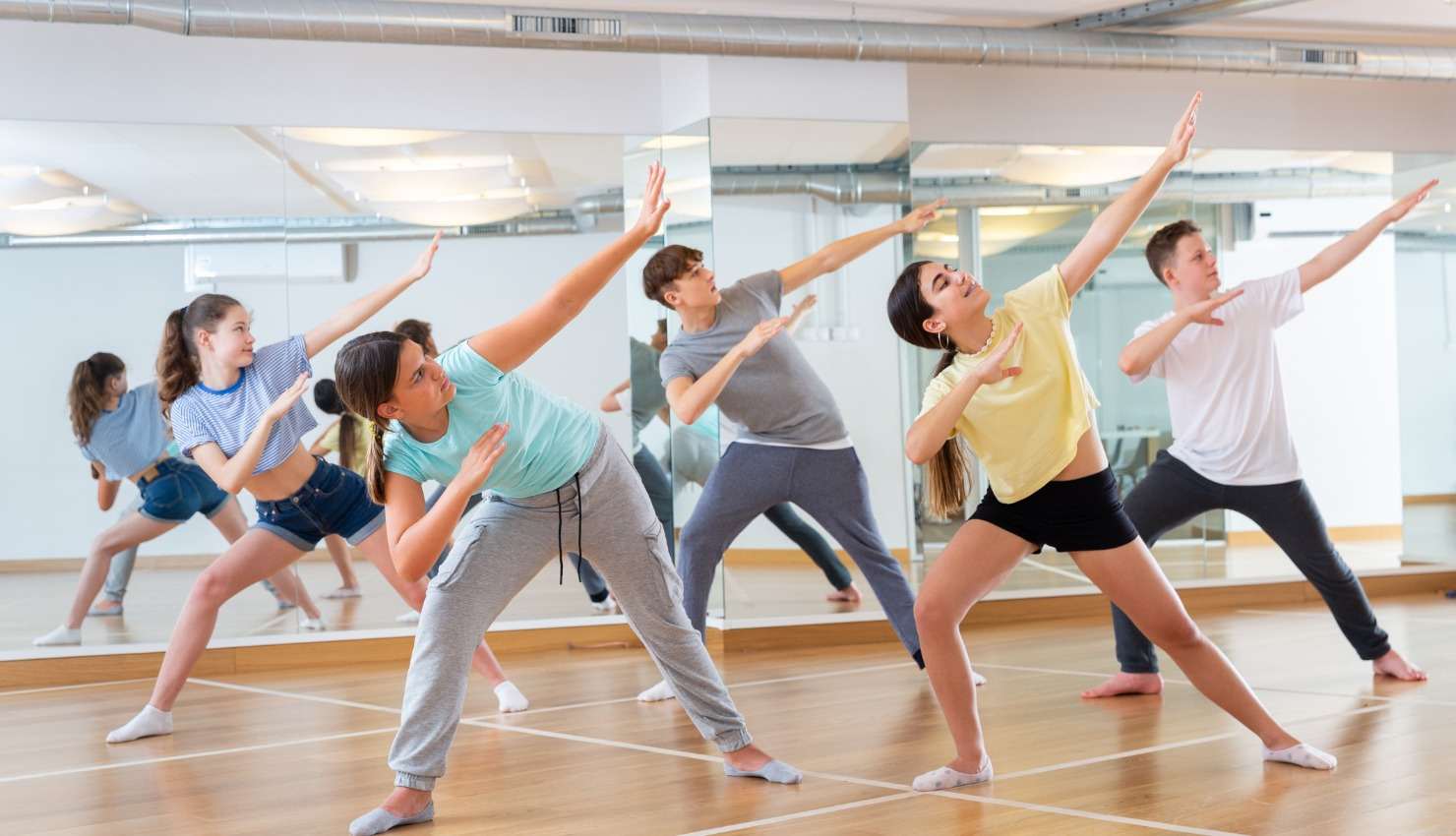
After heavy dance sessions, dancers may experience:
Delayed Onset Muscle Soreness (DOMS)
Joint stiffness from repetitive load
Muscle tightness or cramping
Tendon irritation or inflammation
Low-grade strains or microtears
Without proper recovery, these can lead to overuse injuries like tendinitis, stress fractures, or chronic pain.
????? How Physiotherapy Supports Post-Training Recovery
? 1. Manual Therapy to Reduce Muscle Tension
Physiotherapists use hands-on techniques such as:
Soft tissue massage
Myofascial release
Trigger point therapy
Joint mobilization
?? These techniques promote circulation, ease tightness, and help the muscles relax after overload.
? 2. Targeted Stretching and Mobility Work
Your physio can guide:
Gentle active stretching to ease stiffness
Passive stretching for deeper relaxation
PNF techniques to reset muscle length
?? This restores normal range of motion and helps muscles recover from repeated contractions.
? 3. Dry Needling, Taping, or Cupping for Pain Relief
Some physiotherapists offer adjunct therapies like:
Dry needling to release deep knots
Kinesio taping to reduce inflammation or support fatigued joints
Cupping to improve local blood flow
?? These tools can speed up healing and relieve discomfort without medication.
? 4. Cold and Heat Therapy Guidance
Depending on your symptoms, a physiotherapist may recommend:
Ice therapy (cryotherapy) to reduce swelling or inflammation
Heat packs to improve circulation and relax tight muscles
??? Knowing when to use each technique makes recovery more effective.
? 5. Recovery-Focused Movement
Rest doesnt mean immobility. Your physio may introduce:
Light mobility exercises to maintain blood flow
Low-load resistance work to flush lactic acid
Foam rolling and active recovery routines
?? This type of gentle movement reduces soreness and supports healing.
? 6. Load Monitoring and Recovery Planning
Physiotherapists help you:
Recognize signs of overtraining
Adjust your rehearsal intensity or volume
Incorporate recovery days, hydration, nutrition, and sleep strategies
?? They make sure you’re training hardbut not training yourself into injury.
?? When to See a Physiotherapist Post-Training
You dont need a serious injury to benefit. See a physio if youre experiencing:
Pain that lasts more than 48 hours
Muscle tightness that limits your movement
Localized swelling, clicking, or joint pain
Recurrent discomfort in the same area
Fatigue that affects your dance quality
?? Quick Physiotherapy Tips for Post-Dance Recovery
Hydrate well before and after rehearsals
Include at least 10 minutes of cooldown stretching
Use foam rollers or massage balls daily
Sleep 79 hours for muscle repair