How to Safely Recover from Dance-Related Injuries with Physiotherapy explores targeted strategies for recovery. Discover new paths to mobility, healing, and personalized care.

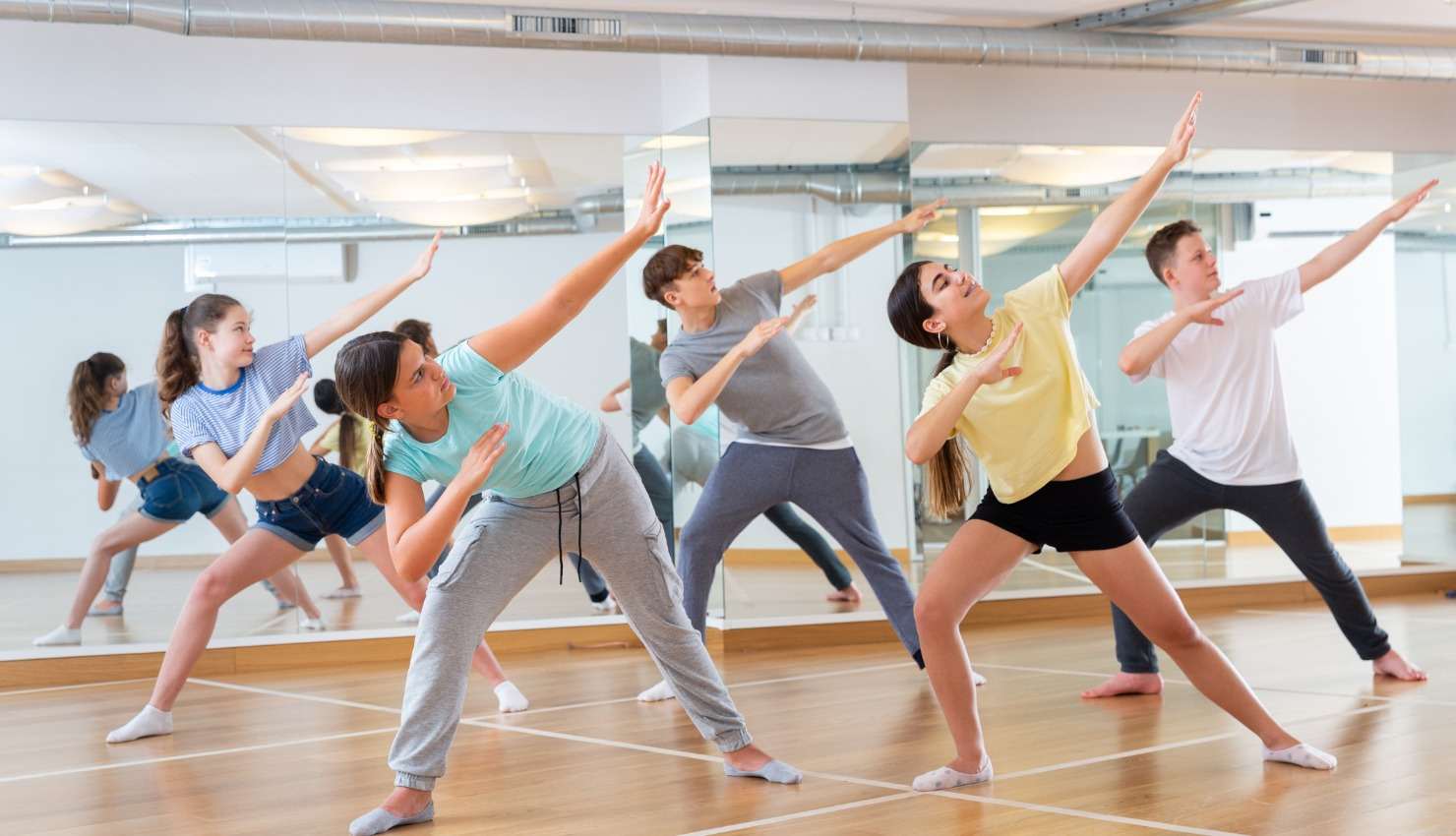
Dancers require:
High flexibility and range of motion
Precision in movement patterns
Speed, control, and balance
Endurance and muscular coordination
Because of these unique demands, generic rehab isnt enough. Dancer-focused physiotherapy addresses the specific challenges of recovery for performers who need to return not just to activity, but to elite-level function.
?? Step-by-Step Physiotherapy Approach to Injury Recovery
? 1. Accurate Diagnosis and Assessment
Recovery starts with identifying the exact nature and cause of the injury. A physiotherapist performs:
Functional movement assessments
Posture and gait analysis
Strength and flexibility testing
Joint and soft tissue evaluation
?? Pinpointing the issue helps target treatment and avoid delays.
? 2. Pain and Swelling Management
Initial focus is on reducing symptoms to allow healing. Treatment may include:
Ice, compression, and elevation
Manual therapy (e.g., massage, myofascial release)
Taping or bracing to offload stress
Electrotherapy (e.g., TENS or ultrasound)
?? Managing inflammation and discomfort allows safer progression.
? 3. Restoring Mobility and Range of Motion
Once acute symptoms subside, gentle movement is introduced to avoid stiffness and muscle shortening:
Passive and active stretching
Controlled joint mobilization
Foam rolling and tissue gliding techniques
?? Regaining range is essential before adding strength.
? 4. Progressive Strengthening and Stabilization
To return to dance safely, the injured area (and supporting structures) must be strong and stable:
Eccentric and isometric exercises
Core and pelvic stability training
Dance-specific functional movements (e.g., pliés, relevés)
Balance and proprioceptive drills
??? Strong, stable muscles reduce reinjury risk and improve control.
? 5. Rebuilding Dance Technique and Motor Control
Dancers often develop compensatory patterns after injury. Physiotherapy addresses this by:
Re-educating movement mechanics
Cueing correct muscle engagement
Integrating technique work into rehab
Ensuring symmetry and control during choreography
?? Technique restoration bridges the gap between rehab and performance.
? 6. Gradual Return to Dance Load
Return-to-dance plans are tailored based on injury type and performance schedule:
Modified classes with limits on jumps or pointe work
Load progression monitored by your therapist
Cross-training options to maintain fitness
Functional testing before full return (e.g., single-leg hops, balance control)
?? Slow, smart progression is key to long-term success.
?? Tips for a Safe Recovery Process
Listen to your body: Pain is a signal, not something to push through.
Follow your rehab plan consistently: Skipping steps can lead to setbacks.
Stay mentally engaged: Visualization and mindfulness can maintain confidence.
Ask questions: Understand the why behind each exercise or restriction.
Work with a dance-informed physiotherapist: Theyll understand the movement demands of your style.
?? Common Dance Injuries Treated with Physiotherapy
Ankle sprains
Achilles tendinopathy
Hip impingement
Patellofemoral (knee) pain
Muscle strains (hamstring, adductor, quadriceps)
Stress fractures
Low back pain