The Role of Physiotherapy in Preventing Dance Injuries in Children explores targeted strategies for recovery. Discover new paths to mobility, healing, and personalized care.

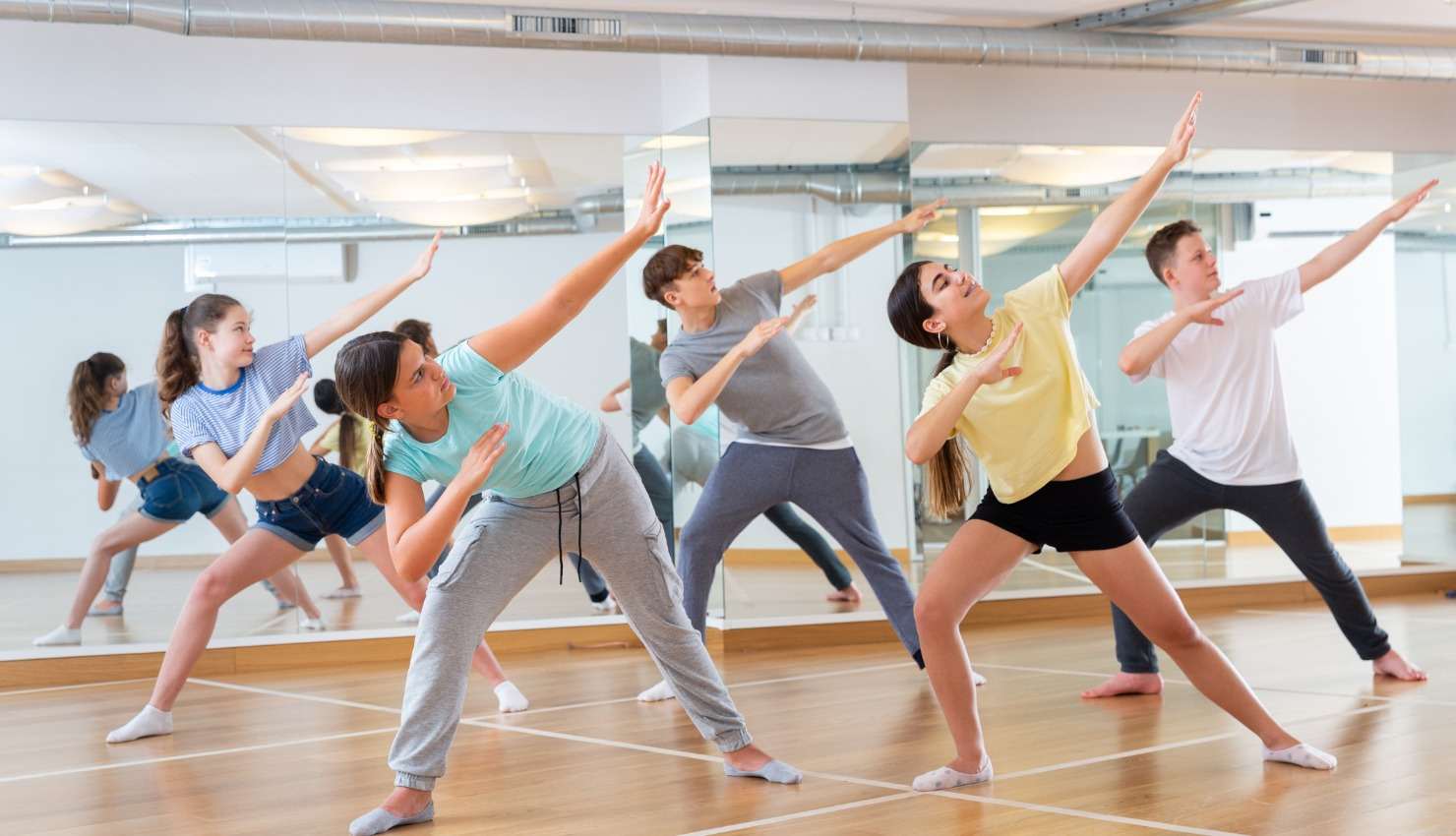
Children and adolescents face distinct challenges in dance, such as:
Growth spurts that affect balance and coordination
Immature joint structures more vulnerable to strain
Repetitive movements in early training phases
Technique habits forming during crucial developmental stages
Hyperflexibility without accompanying strength
?? Early training without proper guidance can lead to overuse injuries, imbalances, and long-term movement issues.
?? How Physiotherapy Prevents Injuries in Child Dancers
? 1. Developmental Screening and Movement Assessment
Physiotherapists assess young dancers for:
Joint alignment and flexibility
Muscle strength and coordination
Motor control and balance
Growth-related conditions like Osgood-Schlatters or Severs disease
????? Early screening helps catch risk factors before injuries occur.
? 2. Technique Correction and Movement Education
Incorrect posture, turnout, or foot placement in early years can cause chronic problems later. Physiotherapists help by:
Teaching safe turnout (from the hips, not knees)
Promoting proper alignment in pliés, jumps, and extensions
Correcting early compensations or bad habits
?? Safe technique learned early sets a strong foundation for the future.
? 3. Strengthening Growing Bodies
Age-appropriate strength training helps prevent injuries by improving:
Core stability
Hip and knee control
Ankle support
Postural strength
?? Stronger muscles = better joint protection during fast or repetitive movements.
? 4. Flexibility Management
Many young dancers are naturally flexible, but lack control. Physiotherapy focuses on:
Controlled stretching techniques
Active range of motion
Avoiding overstretching that can lead to instability
?? Flexibility is only safe when supported by strength and control.
? 5. Balance and Proprioception Training
Balance is critical in dance and still developing in children. Physiotherapy includes:
Balance board and stability work
Functional single-leg control drills
Exercises to improve proprioception (body awareness)
????? Better balance helps prevent falls and awkward landings.
? 6. Load and Training Volume Monitoring
Physiotherapists educate young dancers, parents, and teachers about:
The importance of rest and recovery
Warning signs of overuse
Managing competition and class schedules
Cross-training options to reduce repetitive stress
?? Burnout and stress injuries are preventable with smart scheduling.
?? Common Injuries in Child Dancers Physiotherapy Can Prevent
Severs disease (heel pain during growth spurts)
Osgood-Schlatter disease (knee pain)
Stress fractures
Tendonitis and bursitis
Lower back pain
Ankle sprains
Hip impingement
??? These injuries often develop slowly and can be caught early or prevented with regular physiotherapy care.
???????? Working With Parents and Dance Teachers
A key benefit of physiotherapy is collaboration:
Providing education on warm-up and cool-down routines
Advising teachers on safe modifications
Helping parents understand when to seek early intervention
Teaching self-care techniques to children
?? A team approach creates a safe and supportive dance environment.