Preventing Stress Fractures and Shin Splints with Physiotherapy explores targeted strategies for recovery. Discover new paths to mobility, healing, and personalized care.

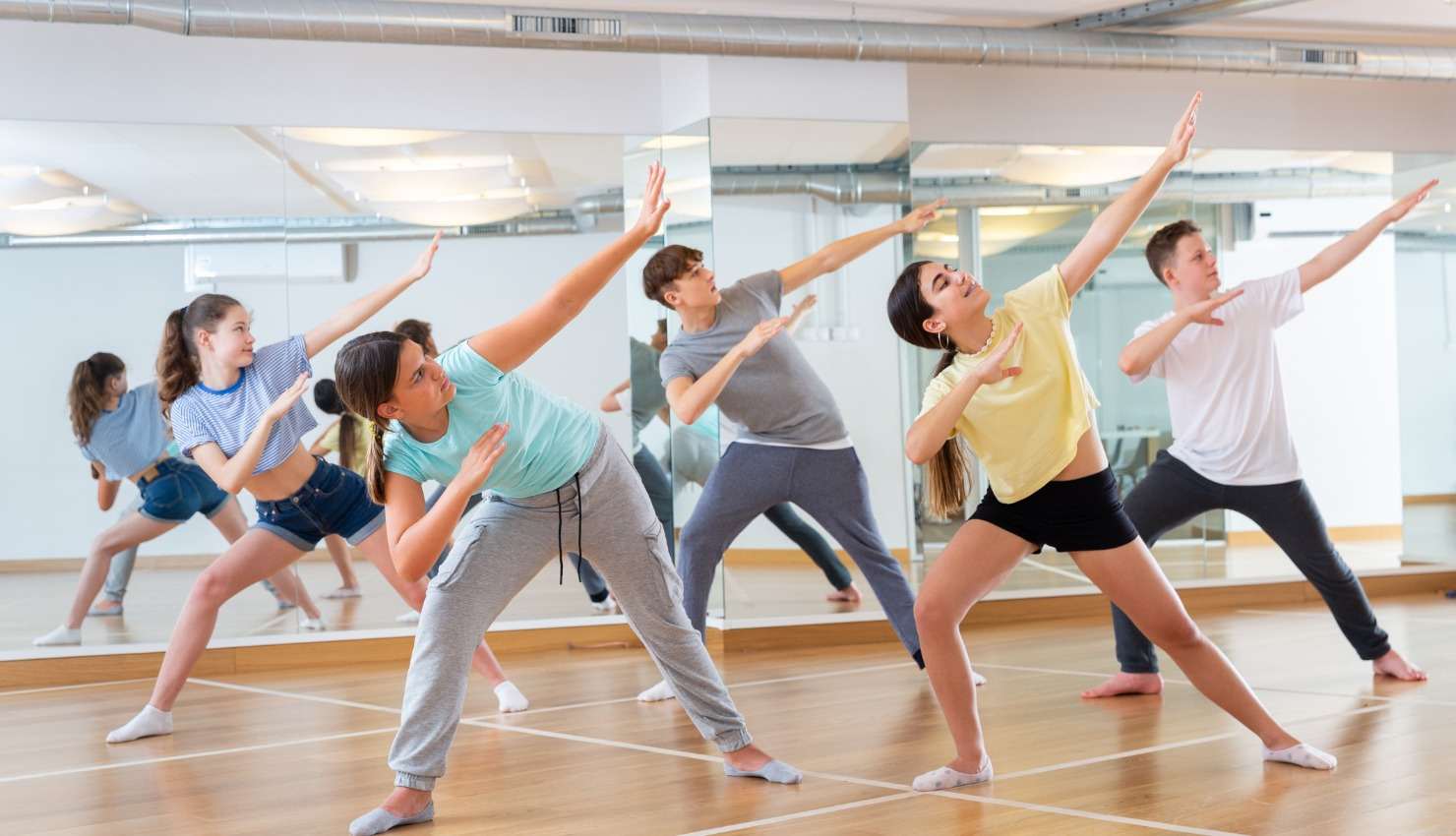
Stress fractures and shin splints are among the most common injuries affecting dancers. These overuse injuries can cause significant pain, limit training, and disrupt performance schedules. Fortunately, physiotherapy provides effective strategies for preventing these conditions through targeted assessments, strengthening, and education. Understanding how physiotherapy helps protect your bones and muscles can keep you dancing strong and injury-free.
What Are Stress Fractures and Shin Splints?
Stress Fractures: Small cracks in the bone caused by repetitive force or overloading, often occurring in the tibia (shinbone), metatarsals, or foot bones.
Shin Splints: Also called medial tibial stress syndrome, shin splints involve inflammation and microtears in the muscles, tendons, and bone tissue around the shin, causing pain along the inner lower leg.
Both injuries commonly arise from repetitive jumping, running, and high-impact movements typical in dance training.
Why Are Dancers at Risk?
Dancers frequently perform high-impact activities on hard surfaces with repetitive loading of the lower limbs. Factors increasing injury risk include:
Sudden increases in training intensity or volume
Poor biomechanics or improper technique
Muscle imbalances and weakness
Inadequate footwear or surface cushioning
Insufficient rest and recovery
Physiotherapy addresses these risk factors proactively.
Physiotherapys Role in Prevention
Comprehensive Biomechanical Assessment
Physiotherapists analyze your movement patterns, foot mechanics, leg alignment, and muscle function. Identifying issues such as overpronation, leg length discrepancies, or poor shock absorption informs targeted interventions.
Strengthening and Conditioning
Weakness in muscles like the calves, tibialis anterior, and intrinsic foot muscles can contribute to excessive stress on bones. Physiotherapy designs progressive strengthening programs focusing on:
Calf raises and eccentric exercises to build tendon resilience
Foot intrinsic muscle activation for arch support
Hip and core strengthening to improve overall stability and alignment
Flexibility and Mobility Work
Tight calf muscles and limited ankle dorsiflexion increase strain on the shins and lower leg bones. Physiotherapists incorporate stretching and joint mobilization exercises to improve flexibility and reduce stress.
Gait and Technique Correction
Improper landing mechanics and running or jumping techniques can increase impact forces. Physiotherapy educates dancers on proper foot strike, knee alignment, and weight distribution to minimize injury risk.
Load Management and Training Advice
Physiotherapists help dancers manage training loads, emphasizing gradual progression and adequate rest periods. Advice on cross-training and low-impact alternatives supports bone health.
Use of Orthotics and Supportive Devices
Custom orthotics may be recommended to correct foot alignment and provide shock absorption, especially in cases of flat feet or high arches.
Early Recognition and Intervention
Physiotherapy also promotes early detection of symptoms like localized pain or swelling. Timely treatment prevents progression to more severe stress fractures requiring long-term rest.
Recovery and Rehabilitation Support
If injury occurs, physiotherapists guide safe rehabilitation with pain management, gradual weight-bearing, and restoring strength and mobility to prevent recurrence.
Conclusion: Protect Your Legs for a Sustainable Dance Career
Stress fractures and shin splints can sideline even the most dedicated dancers. Physiotherapy offers a comprehensive approach to preventing these injuries by addressing underlying biomechanical and training factors.
By working with a physiotherapist, you build a strong foundation of muscular support, improve technique, and learn smart training habits that keep your legs healthy. Prioritize prevention with physiotherapy and enjoy the freedom to dance without pain.