How to Keep Your Muscles Strong and Healthy for Dance with Physiotherapy explores targeted strategies for recovery. Discover new paths to mobility, healing, and personalized care.

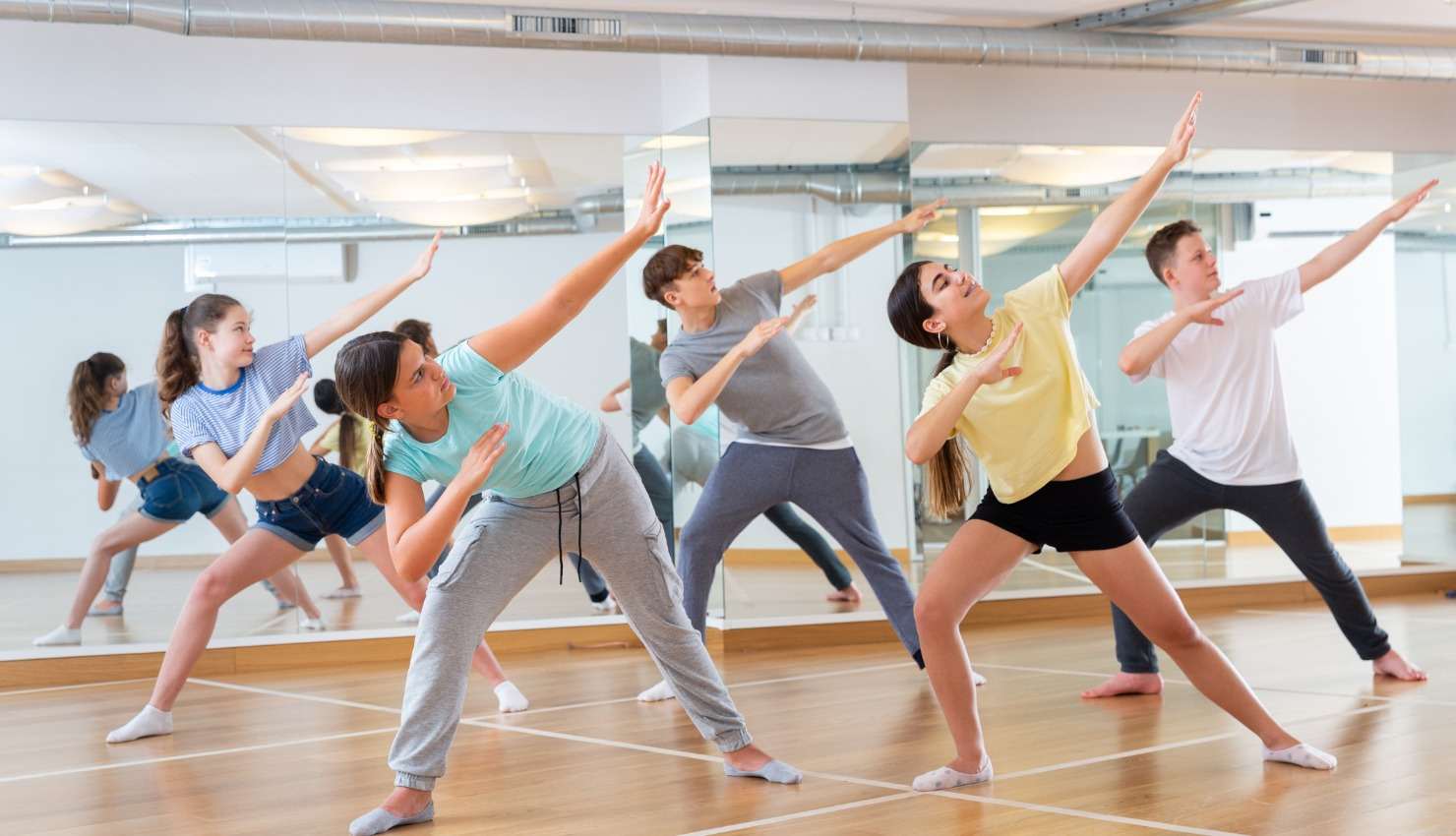
Dancing is a beautiful art form that demands strength, flexibility, and endurance. To perform at your best and avoid injuries, maintaining strong and healthy muscles is essential. Physiotherapy plays a vital role in helping dancers achieve this balance by focusing on muscle health, injury prevention, and performance optimization. In this blog, we will explore how physiotherapy supports muscle strength and health for dancers, ensuring longevity in their dance careers.
Why Muscle Strength and Health Matter for Dancers
Dancers rely heavily on their muscles for every movement, jump, and pose. Strong muscles improve control, balance, and endurance, allowing dancers to perform complex choreography safely. Healthy muscles also recover faster from exertion, reducing the risk of strains, tears, and overuse injuries common in dance. Without proper muscle care, dancers may face chronic pain or limitations that hinder their performance.
How Physiotherapy Supports Muscle Strength
Physiotherapists specialize in understanding the bodys biomechanics and muscle function. They create tailored exercise programs that focus on building and maintaining muscle strength specific to a dancers style and needs. These programs typically include:
Targeted Strength Training: Focused exercises that strengthen key muscle groups such as the core, legs, glutes, and back. Strengthening these muscles provides stability and power during dance movements.
Neuromuscular Re-education: This technique helps dancers improve muscle coordination and control, reducing inefficient or risky movement patterns that could lead to injury.
Progressive Load Training: Gradually increasing the intensity of exercises ensures muscles adapt safely, enhancing strength without overloading tissues.
Maintaining Muscle Flexibility and Mobility
Flexibility is equally important for dancers to achieve fluid and graceful movements. Physiotherapy incorporates stretching techniques and mobility exercises that maintain or improve muscle length and joint range of motion. These may include:
Dynamic Stretching: Controlled movements that prepare muscles for activity, improving flexibility while reducing stiffness.
Myofascial Release: A hands-on therapy that targets tight muscle fascia, helping release tension and improve elasticity.
Joint Mobilization: Gentle techniques to enhance joint mobility, ensuring muscles can work effectively without restrictions.
Injury Prevention through Muscle Conditioning
One of the most significant benefits of physiotherapy is injury prevention. Strengthening and conditioning muscles properly help dancers withstand the physical demands of their art form. Physiotherapists assess muscle imbalances, weaknesses, or compensations that may predispose dancers to injuries such as strains, sprains, or tendinitis. Through corrective exercises and movement retraining, dancers can avoid common pitfalls like overuse injuries or muscle fatigue.
Managing Muscle Fatigue and Recovery
Dancers often push their bodies to the limit during rehearsals and performances. Physiotherapy offers strategies to manage muscle fatigue and promote faster recovery. Techniques include:
Manual Therapy: Soft tissue massage and muscle manipulation improve blood flow and reduce muscle soreness.
Electrotherapy: Modalities like ultrasound or electrical stimulation can accelerate healing and reduce inflammation.
Personalized Recovery Plans: Advice on rest periods, nutrition, and hydration tailored to support muscle recovery.
How Physiotherapy Enhances Overall Dance Performance
Beyond just muscle strength, physiotherapy helps dancers optimize their movement efficiency. Well-conditioned muscles contribute to better posture, alignment, and balance, all crucial for executing dance techniques gracefully. Physiotherapists also help dancers develop body awareness and correct faulty movement patterns, which enhances performance quality and reduces injury risk.
When to Consult a Physiotherapist
Dancers should consider regular physiotherapy sessions even without injuries to maintain peak muscle health. Early intervention can identify potential issues before they become serious. Additionally, after an injury, physiotherapy is essential for a safe and effective return to dance, focusing on restoring muscle strength and flexibility while preventing re-injury.
Conclusion
Keeping muscles strong and healthy is fundamental for dancers to excel and enjoy a long, injury-free career. Physiotherapy offers a comprehensive approach to muscle conditioning, flexibility, injury prevention, and recovery. By integrating physiotherapy into their training regimen, dancers can enhance their strength, improve performance, and safeguard their bodies against the physical demands of dance.
If you are a dancer looking to maintain or improve your muscle health, consider consulting a physiotherapist who understands the unique needs of dancers. With professional guidance, you can achieve stronger, healthier muscles and keep dancing with confidence and grace.