How to Recover from a Dance Injury Faster Using Physiotherapy explores targeted strategies for recovery. Discover new paths to mobility, healing, and personalized care.

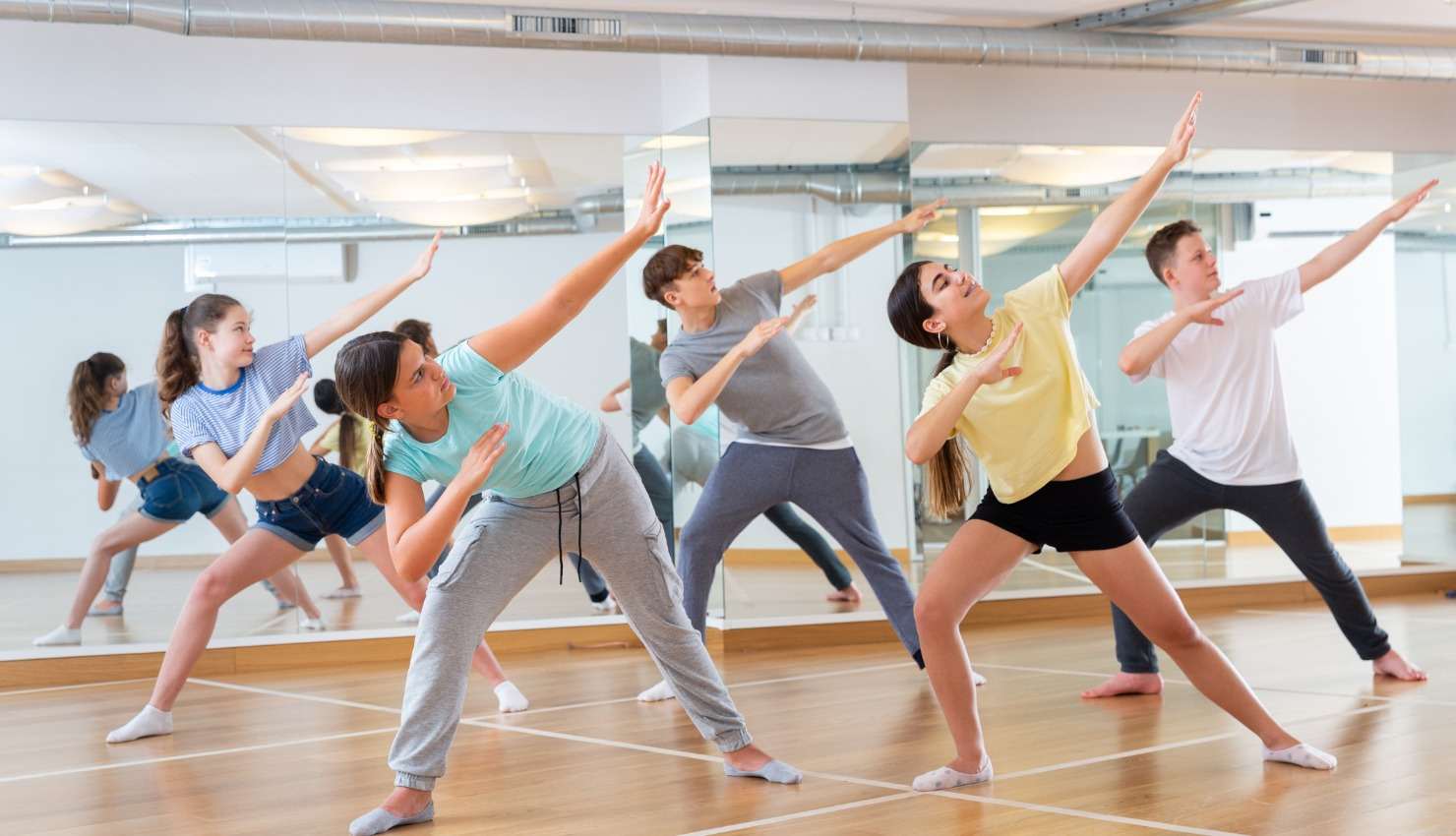
Dance injuries can be physically and emotionally challenging, disrupting your training and performance schedule. However, with the right recovery approach, you can heal more quickly and safely return to your passion. Physiotherapy plays a critical role in speeding up dance injury recovery by providing targeted treatments and rehabilitation programs designed specifically for dancers. In this blog, well explore how physiotherapy helps accelerate recovery from dance injuries while minimizing the risk of complications.
Understanding the Recovery Process After a Dance Injury
Recovery from a dance injury involves several stages: controlling pain and inflammation, restoring movement, rebuilding strength, and gradually returning to dance. Physiotherapy supports each phase with specialized techniques and guidance tailored to the unique demands of dance.
How Physiotherapy Speeds Up Healing
1. Early Intervention and Accurate Diagnosis
Prompt physiotherapy assessment helps identify the extent of your injury and any contributing factors such as muscle imbalances or movement errors. Early diagnosis allows for targeted treatment plans that prevent further damage and promote faster healing.
2. Pain and Inflammation Control
Managing pain and swelling in the acute phase is crucial for recovery speed. Physiotherapists use techniques such as:
Cryotherapy (Ice Therapy): Reduces swelling and numbs pain.
Compression and Elevation: Minimizes fluid buildup.
Electrotherapy: Modalities like TENS and ultrasound stimulate tissue repair and reduce pain.
These treatments help create an optimal healing environment.
3. Gentle Mobilization and Stretching
Once pain subsides, physiotherapy incorporates gentle joint mobilization and stretching to prevent stiffness and maintain flexibility. Early movement encourages blood flow, which delivers essential nutrients for tissue repair.
4. Progressive Strengthening and Conditioning
Building muscle strength around the injured area is key to regaining function and protecting against re-injury. Physiotherapists design progressive strengthening programs that focus on:
Stabilizing muscles
Correcting imbalances
Enhancing endurance
This approach rebuilds resilience safely.
5. Movement Retraining and Biomechanical Correction
Many dance injuries result from faulty technique or repetitive stress. Physiotherapy addresses these underlying causes through movement retraining, helping dancers develop safer, more efficient patterns that reduce strain on vulnerable tissues.
6. Personalized Return-to-Dance Plans
A gradual and monitored return to dance is vital for avoiding setbacks. Physiotherapists create step-by-step plans that increase activity levels cautiously, incorporating modifications as needed to protect healing tissues.
Additional Physiotherapy Techniques That Aid Faster Recovery
Manual Therapy: Hands-on massage and soft tissue mobilization improve circulation and reduce muscle tension.
Hydrotherapy: Water-based exercises reduce impact on joints while allowing movement.
Balance and Proprioception Training: Enhances coordination and stability, which are critical for dance performance.
The Psychological Benefits of Physiotherapy in Recovery
Recovery can be mentally taxing. Physiotherapists provide motivation, education, and emotional support, helping dancers stay positive and engaged in their rehabilitation.
Tips to Support Faster Recovery Alongside Physiotherapy
Follow your physiotherapists advice diligently.
Maintain a balanced diet rich in nutrients that promote healing.
Get adequate rest and sleep.
Avoid rushing back into full activity too soon.
Stay hydrated to support tissue repair.
Conclusion
Recovering faster from a dance injury is achievable with expert physiotherapy care. Through early intervention, pain management, targeted exercises, and movement retraining, physiotherapy promotes efficient healing and prepares dancers for a safe return to performance. Remember, each dancers recovery journey is unique, and professional guidance is essential to avoid setbacks.
If youve suffered a dance injury or want to optimize your recovery process, consider consulting a physiotherapist who specializes in dance rehabilitation. Their personalized care can help you get back on stage stronger and more resilient.