Stretch, Strengthen, and Recover explores targeted strategies for recovery. Discover new paths to mobility, healing, and personalized care.

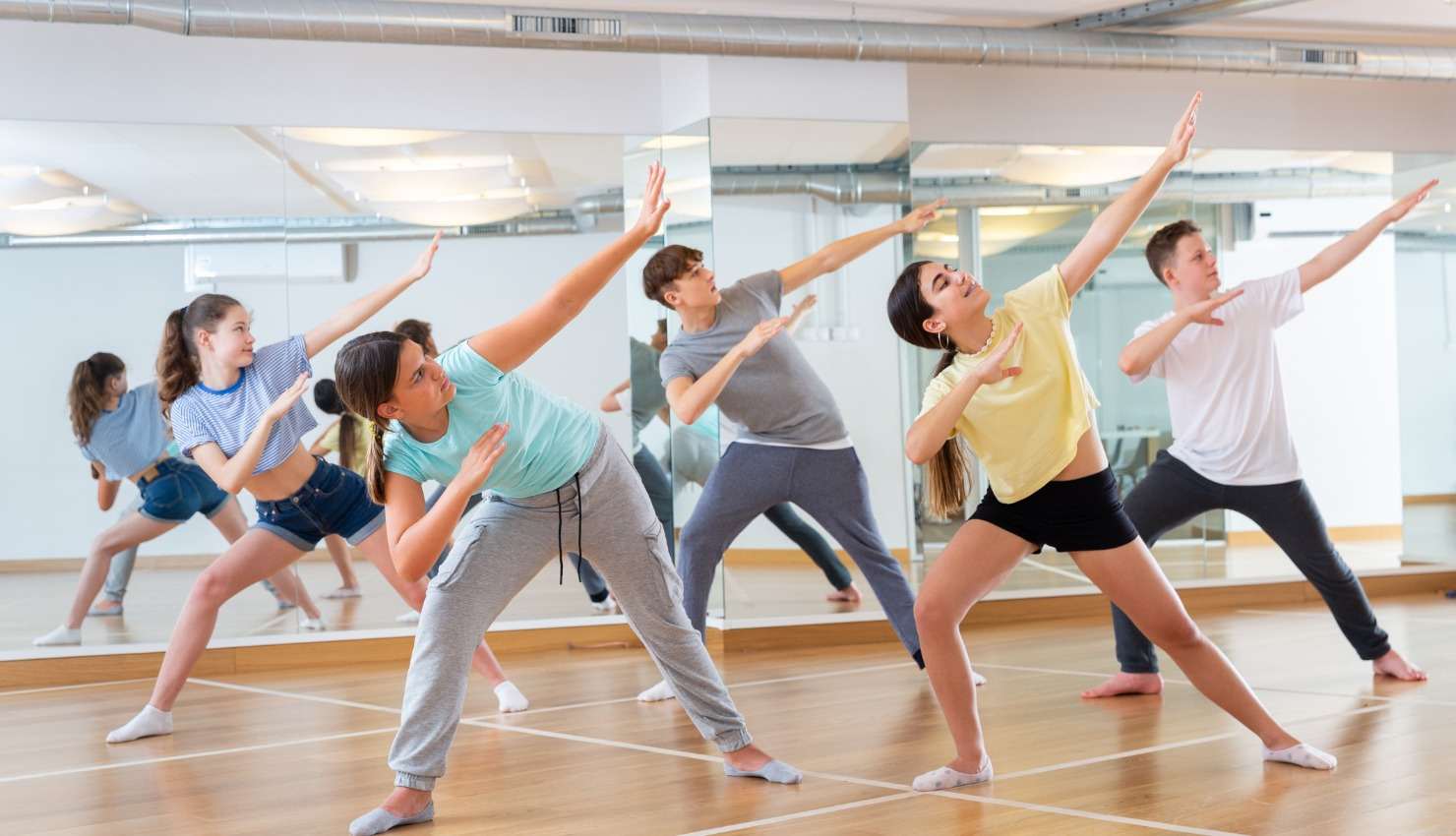
Dance demands a harmonious balance of flexibility, strength, and recovery to keep the body performing at its best. Physiotherapy offers essential guidance to help dancers stretch effectively, build muscle strength, and recover properly after intense practice or injury. In this blog, well share physiotherapy-backed tips that empower dancers to maintain their physical health, prevent injuries, and enhance performance.
1. Importance of Proper Stretching
Stretching increases muscle flexibility and joint range of motion, essential for fluid dance movements. Physiotherapists recommend:
Warm-Up First: Always warm up muscles with light aerobic activity before stretching to prevent injury.
Dynamic Stretching: Use controlled, movement-based stretches before dancing to prepare muscles.
Static Stretching: Hold stretches gently after dancing or training to improve long-term flexibility.
Avoid Overstretching: Stretch to the point of mild tension, never pain, to protect muscles and joints.
2. Building Strength for Support and Stability
Strengthening muscles supports joints and improves balance, reducing injury risk. Key physiotherapy tips include:
Focus on Core Strength: A strong core stabilizes the spine and pelvis, improving posture and control.
Target Lower Limb Muscles: Strengthen hips, glutes, and calves to support jumps, turns, and landings.
Include Intrinsic Foot Muscle Training: Strengthening small foot muscles improves balance and shock absorption.
Incorporate Functional Exercises: Use movements that mimic dance actions for better transfer to performance.
3. Recovery Strategies to Promote Healing
Recovery is vital for muscle repair and injury prevention. Physiotherapists advise:
Active Recovery: Engage in gentle movements or low-impact activities like swimming to promote circulation.
Manual Therapy: Regular soft tissue massage or myofascial release reduces muscle tightness and improves blood flow.
Hydration and Nutrition: Adequate fluids and balanced nutrition support tissue repair.
Rest and Sleep: Quality sleep and rest days allow the body to heal and reduce fatigue.
Listen to Your Body: Address discomfort early and avoid pushing through pain.
4. Injury Prevention through Physiotherapy
Regular physiotherapy sessions help identify muscle imbalances or movement issues before they cause injury. Dancers benefit from:
Personalized Assessments: Evaluating strength, flexibility, and technique.
Corrective Exercise Programs: Targeting weaknesses and imbalances.
Education on Safe Practice: Learning proper warm-up, cool-down, and dance mechanics.
5. Incorporating Physiotherapy into Your Dance Routine
Physiotherapy isnt just for injury recovery; its a proactive tool to maintain optimal body function. Regular sessions can:
Enhance flexibility and strength.
Improve posture and alignment.
Provide strategies for managing training load.
Support mental wellbeing and motivation.
Conclusion
Stretching, strengthening, and recovering are interdependent pillars of a dancers physical health. Physiotherapy offers expert guidance to balance these elements safely and effectively. By incorporating physiotherapy tips into your routine, you can reduce injury risk, improve performance, and enjoy a longer, healthier dance career.
If youre a dancer seeking to optimize your training or recover from injury, consulting a physiotherapist specialized in dance can provide the tailored support you need.